Today Californians face increased risks from flooding, water
shortages, unhealthy water quality, ecosystem decline and
infrastructure degradation. Many federal and state legislative
acts address ways to improve water resource management, ecosystem
restoration, as well as water rights settlements and strategies
to oversee groundwater and surface water.
Jon Kyl, a giant in Arizona politics who served the state in
Congress for nearly three decades, has died, his family
announced Thursday. He was 84. … Former Republican U.S.
Sen. Kyl announced last year his withdrawal from public life
following a dementia diagnosis. … Kyl leveraged his
expertise on water policy in Congress to gain approval of
tribal water rights settlements, said Sarah Porter of
Arizona State University. He was an “important participant” in
negotiations that created the state’s water
rules, said Porter, director of the university’s
Kyl Center for Water Policy that is named
after the former senator.
Approximately $158.2 million of bond money approved in 2024
will pay for projects in the State Water Project and
Sacramento-San Joaquin Delta levees, according to an
announcement from state Sen. Jerry McNerney, D-Stockton. The
money was approved as part of the budget bill Assembly Bill
113, which passed the legislature in August and is on the
governor’s desk. According to McNerney’s office, the funding
comes from Proposition 4, which California voters passed in
2024. … Part of that money, $90.2 million, will go to
paying for fortification of the Delta’s aging levees, while $68
million will pay for the State Water Project’s California
Aqueduct and canals. … According to a 2025 report from
the California Department of Water Resources, the State Water
Project has suffered from underinvestment and deterioration.
Byron Sher, a collegial Stanford University law professor who
ran for Palo Alto City Council in the 1960s after losing a
battle over the widening of a local street, then rose to the
state Legislature, writing many of California’s landmark
environmental laws over three decades, has died. … Over
a career that stretched from 1980 to 1996 in the state
Assembly, and from 1996 to 2004 in the state Senate, Sher
passed dozens of groundbreaking bills that made California a
national leader in environmental policy. Among them are the
California Clean Air Act in 1987, the state’s Safe
Drinking Water Act in 1989, and a complex deal with
former Sen. Dianne Feinstein in 1999 to preserve thousands of
acres of old-growth redwoods at Headwaters Forest in Humboldt
County.
The Trump administration on Friday took another step toward
stripping federal protections from millions of acres of
wetlands, which help filter drinking water for many communities
and provide critical habitat for birds, fish and other
wildlife. The proposed rule from the Environmental Protection
Agency and the U.S. Army Corps of Engineers would significantly
narrow the definition of “waters of the United States,” or
WOTUS, that are protected from harmful pollution under the
Clean Water Act of 1972. The new version is more sweeping
than an initial proposal released in November, which would have
removed federal protections from fewer wetlands nationwide.
A proposal to fund a state drinking water program that has been
a lifeline for communities in the San Joaquin
Valley at $171 million passed by the Legislature
Tuesday after a harrowing few days and now awaits Gov. Gavin
Newsom’s signature. The proposal is supported by a broad
coalition of organizations, some of which typically find
themselves on opposite sides of most issues. But they came
together to protect the Safe and Affordable Fund for Equity and
Resilience (SAFER), which pays for emergency supplies
when homes, and even whole towns, go dry and funds
efforts to find long-term water solutions.
A broad new water conservation law will soon take effect in
phases, banning the watering of “ornamental turf” at corporate,
industrial, government and homeowners association properties
with drinking water across California as a way to preserve
supplies. Gov. Gavin Newsom signed the new state law in 2023 as
California was emerging from a harsh three-year drought.
Starting on Jan. 1, it will be illegal for local and regional
government agencies across the state — including schools,
cities, counties, courthouses, fire stations and libraries — to
irrigate decorative grass with potable water whether or not
California is in a drought. Enforcement is expected to be light
at first. But scofflaws eventually could face fines of up to
$1,000 a day.
As the city of Los Angeles and the L.A. Department of Water and
Power face lawsuits by residents who claim the city
failed to ensure adequate water to fight the Palisades
fire, California legislators have passed a bill that
would give water agencies a new tool to defend themselves in
such cases. The legislation, Senate Bill 1153, would clarify
that public water agencies do not have a duty to
design, build or maintain a water system for wildfire defense
or suppression, and that the inability to maintain
water supply or water pressure during a wildfire is not a
“substantial cause” of fire damages. The bill, which
is awaiting Gov. Gavin Newsom’s signature,
also would require urban retail water suppliers in high or very
high fire hazard zones to include specific response procedures
for wildfires as part of their disaster preparedness plans.
California lawmakers passed seven bills aimed at
increasing oversight of data centers in the final days
of the legislative session and sent the measures to Gov. Gavin
Newsom for consideration. Among the bills are proposals from
Bay Area Assemblymembers Diane Papan and Rebecca Bauer-Kahan
that would require greater disclosure of water and
energy use by data center operators. … Papan’s
legislation focuses on water use before and after a data center
begins operating. One bill would require developers to disclose
projected water use. “It requires data centers to inform
localities of how much water they’re going to use prior to
construction,” Papan said.
… The Trump administration is one step closer to repealing
the 2001 Roadless Rule and opening nearly 45 million acres of
national forests across the U.S. to possible development. …
Over 1 million people in the Intermountain region get water
directly from watersheds that include roadless areas, according
to the Forest Service. Water that flows through roadless areas
in the region also journeys downstream to larger waterways and
supports an additional 3.7 million people. … More road
construction and logging could increase sediment in creeks,
streams and rivers that run through the national forests and
degrade the water quality. Less trees in the forest after a
timber harvest could also lead to quicker snowmelt runoff in
the spring.
California lawmakers will spend up to $125 million in state
funds to help buy and turn Golden Gate Fields, the 161-acre
former horse racing track along the East Bay shoreline, into a
public park — a priority of Gov. Gavin Newsom’s. The
funding will come from Proposition 4, the
voter-approved $10 billion bond for climate projects such as
drinking water, wildfire prevention and land
conservation, despite concerns from environmental
advocates and lawmakers that diverting the money would
drain limited resources from those other priorities.
… Newsom’s proposal is now included in Assembly
Bill/Senate Bill 113, which lawmakers are poised to
adopt by Tuesday.
California Senate Republicans are urging Governor Gavin Newsom
to veto legislation concerning how water districts
calculate tiered water rates, saying the measure could
affect the application of Proposition 218.
Assembly Bill 2180, authored by Assemblymember Shirley Weber,
D-San Diego, was the subject of a letter from Senate
Republicans asking Newsom to reject the bill. The legislation
comes as the California Supreme Court considers a case
involving tiered water rates charged by water
agencies. The case, Dreher v. City of Los Angeles
Department of Water and Power, concerns whether water districts
are complying with legal requirements governing tiered water
rates. Senator Steven Choi, R-Irvine, said Proposition 218,
approved by California voters in 1996, was intended to provide
protections for property owners and ratepayers from certain
government-imposed fees and charges.
Lawmakers this week made good on a year-old promise, passing a
bill to narrow a controversial exemption from California’s
environmental review law. The proposal passed both houses of
the Legislature and now goes to the governor’s
desk. Senate Bill 954 follows through on a pledge state
legislative leaders made last year, when Gov. Gavin Newsom
threatened to withhold approval of a $300 billion spending plan
unless lawmakers passed sweeping changes to the California
Environmental Quality Act. Lawmakers complied by passing
Senate Bill 131, which exempted “advanced manufacturing
facilities” from environmental review. But more than 30
lawmakers objected to how broad that exemption could be,
because it could increase pollution in already vulnerable
communities. They pledged to narrow it this year.
Coloradans will weigh in on a ballot measure to redirect excess
funding from the state’s sporting goods and outdoor gear tax to
support conservation projects. The measure, which will appear
on the ballot as Proposition 137, is being supported by a
coalition of conservation groups. … If passed, it would
allow the state to keep the tax revenue generated by the
state’s sales tax on sporting goods and outdoor equipment,
exempting it from being refunded to taxpayers under
TABOR. This excess revenue — which is estimated to
generate around $175 million annually — would go toward
projects like wildfire mitigation, new state parks, river and
clean water protection, improved outdoor recreation
infrastructure, wildlife and habitat management, land
conservation and restoration, grants and more.
After weeks of intense negotiation, state lawmakers on Friday
reached a compromise on legislation to regulate energy use by
California’s growing data center industry, action triggered by
community anger over the facilities and fears of high utility
bills in some communities. The goal, according to legislators
and advocates, is to protect consumers from growing electricity
costs driven upward by the sprawling facilities and to
track the centers’ immense energy and water
consumption. … Separate bills that would
require the centers to disclose their energy and water
use were recently approved by state lawmakers.
After Gov. Gavin Newsom vetoed her data center water
disclosure bill last year, Assemblymember Diane Papan,
D-San Mateo, returned this year with a two-bill package. One of
the bills, AB 2619, was passed by the Legislature Thursday
morning, sending to Newsom a measure that would require
data centers to report their water consumption
annually. The other bill, AB 2469, which would require
information about projected water demand before new
data centers are approved, is still moving through the
Legislature. … Opponents have argued that existing state
law already gives local water agencies the information they
need to plan for new development and that additional reporting
requirements would place unnecessary burdens on the industry.
The new general manager of the Kern County Water Agency adheres
to a deceptively simple mantra: More water, less cost.
Contained in that sentiment are whole worlds of political,
regulatory and legal complexities. Which is why the agency
recently hired a second person to represent Kern’s interests in
Sacramento. Taryn Ravazzini, was officially hired as an
Assistant General Manager with an annual salary of
$350,000 during the agency’s August meeting. She will join
Craig Wallace as part of the agency’s Sacramento team.
… Other large water organizations, including the
Metropolitan Water District of Southern California, have
Sacramento offices full of staff making sure those region’s
interests are heard, making it imperative that Kern has a seat
at the table, [General Manager Eric] Averett said.
U.S. Rep. Gabe Vasquez (D-N.M.) on Tuesday announced he had
co-sponsored two federal bills aimed at data center
transparency. Vasquez signed on as a co-sponsor to the FAIR
Data Act, sponsored by Rep. Josh Riley (D-N.Y.), and the Data
Center Water and Energy Transparency Act of 2026, sponsored by
Rep. Lauren Underwood (D-IL). The FAIR Data Act would shield
residential electric customers and small businesses from
shouldering increased energy costs related to large data
centers. The Data Center Water and Energy Transparency
Act of 2026 would require developers to provide state
and local governments that have data centers, or are
considering them, with information pertaining to energy
and water consumption. Companies that don’t comply
would face fines of up to $20,000 per day.
A California Democrat’s proposal to enshrine Biden-era water
quality rules in state law to backstop potential rollbacks
under the Trump administration has died in the state
Legislature amid continued opposition from farmers and water
agencies. State Assembly Appropriations Chair Buffy
Wicks announced on Thursday that state Sen. Ben Allen’s SB 601
was held back, meaning it won’t be voted on this year. It’s the
second year in a row that Allen tried — and failed — to get his
bill through the committee. Sean Bothwell, the executive
director of the California Coastkeeper Alliance, which
sponsored the bill, said in an interview that he had tried to
reach a deal with the governor’s office and the State Water
Resources Control Board on the bill over the past couple of
months, but ultimatelydid not agree to all the administration’s
proposed changes because they removed some of the environmental
protections in the bill.
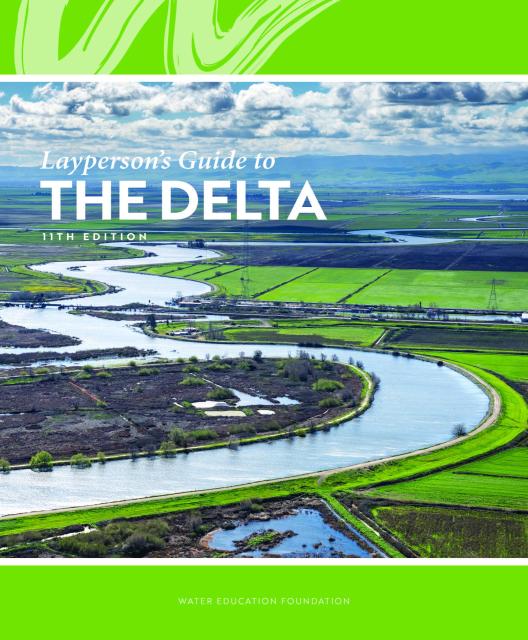
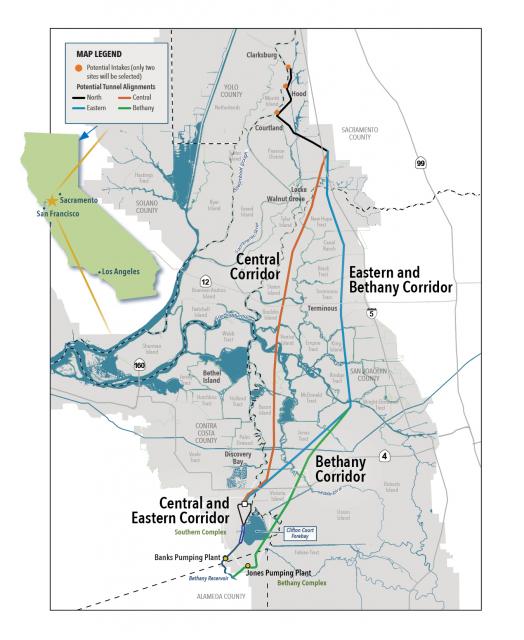
The 24-page Layperson’s Guide to the Delta explores the competing
uses and demands on California’s Sacramento-San Joaquin
Delta. The 11th edition examines this critical
water hub and its myriad challenges. The 2025 version
includes the latest information on the tunnel project, habitat
restoration efforts, climate change impacts and an updated
section on the legal and political facets of the Delta.
Cities across California and the Southwest are significantly
increasing and diversifying their use of recycled wastewater as
traditional water supplies grow tighter.
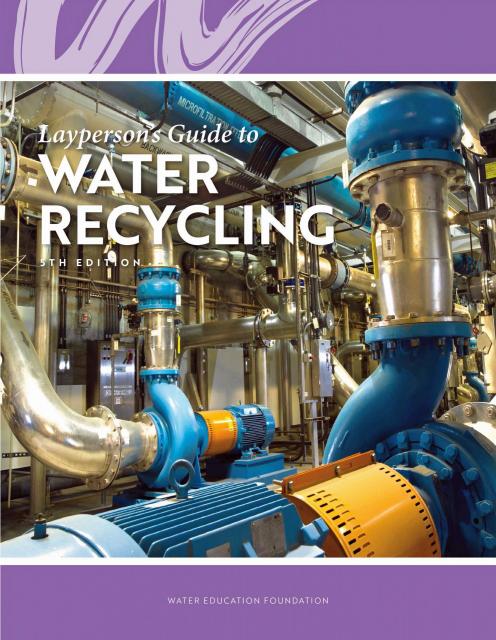
The 5th edition of our Layperson’s Guide to Water Recycling
covers the latest trends and statistics on water reuse as a
strategic defense against prolonged drought and climate change.
Seeking to prevent the California State Water Resources Control
Board from stepping in to regulate groundwater in critically
overdrafted subbasins, local agencies are working to correct
deficiencies in their plans to protect groundwater. With
groundwater sustainability agencies formed and groundwater
sustainability plans evaluated, the state water board has moved
to implement the 2014 Sustainable Groundwater Management Act,
or SGMA. … Under probation, groundwater extractors in
the Tulare Lake subbasin face annual fees of $300 per well and
$20 per acre-foot pumped, plus a late reporting fee of 25%.
SGMA also requires well owners to file annual groundwater
extraction reports.
California has unveiled an ambitious plan to help combat the
worsening climate crisis with one of its invaluable assets: its
land. Over the next 20 years, the state will work to transform
more than half of its 100 million acres into multi-benefit
landscapes that can absorb more carbon than they release,
officials announced Monday. … The plan also calls for
11.9 million acres of forestland to be managed for biodiversity
protection, carbon storage and water supply protection by 2045,
and 2.7 million acres of shrublands and chaparral to be managed
for carbon storage, resilience and habitat connectivity, among
other efforts.
Today, Congresswoman Norma Torres and Congressman David Valadao
– members of the House Appropriations Committee – announced the
introduction of the bipartisan Removing Nitrate and Arsenic in
Drinking Water Act. This bill would amend the Safe Drinking
Water Act to provide grants for nitrate and arsenic reduction,
by providing $15 million for FY25 and every fiscal year
thereafter. The bill also directs the Environmental
Protection Agency (EPA) to take into consideration the needs of
economically disadvantaged populations impacted by drinking
water contamination. The California State Water Resources
Control Board found the Inland Empire to have the highest
levels of contamination of nitrate throughout the state
including 82 sources in San Bernardino, 67 sources in Riverside
County, and 123 sources in Los Angeles County.
A much-anticipated water bill brought by one of the most
powerful lawmakers on Capitol Hill became public Thursday.
Senate President Stuart Adams’s SB 211, titled “Generational
Water Infrastructure Amendments,” seeks to secure a water
supply for decades to come. It forms a new council comprised of
leadership from the state’s biggest water districts that will
figure out Utah’s water needs for the next 50 to 75 years. It
also creates a new governor-appointed “Utah Water Agent” with a
$1 million annual budget that will “coordinate with the council
to ensure Utah’s generational water needs are met,” according
to a news release. But combing through the text of the bill
reveals the water agent’s main job will be finding an
out-of-state water supply. … The bill also notes the
water agent won’t meddle with existing water compacts with
other states on the Bear and Colorado rivers.
Last week, Assemblywoman Esmeralda Soria introduced AB 2060 to
help divert local floodwater into regional groundwater
basins. AB 2060 seeks to streamline the permitting process
to the California Department of Fish and Wildlife in support of
Flood-MAR activities when a stream or river has reached
flood-monitor or flood stage as determined by the California
Nevada River Forecast Center or the State Water Resources
Control Board (SWRCB). This expedited approval process would be
temporary during storm events with qualifying flows under the
SWRCB permit.
… In California, just figuring out who holds a water right
requires a trip to a downtown Sacramento storage room crammed
with millions of paper and microfilmed records dating to the
mid-1800s. Even the state’s water rights enforcers struggle to
determine who is using what. … Come next year, however,
the board expects to have all records electronically accessible
to the public. Officials recently started scanning records tied
to an estimated 45,000 water rights into an online database.
They’re also designing a system that will give real-time data
on how much water is being diverted from rivers and streams
across the state. … Proponents say the information
technology upgrade will help the state and water users better
manage droughts, establish robust water trading markets and
ensure water for fish and the environment.
… Without more investment and regulatory relief,
Californians face a future of chronic water scarcity. Our
system of water storage and distribution is in trouble. We have
depleted aquifers, nearly empty reservoirs on the Colorado
River, and a precarious network of century-old levees that are
one big earthquake away from catastrophic failure. Then there’s
always the next severe drought. Even if the governor
aggressively pushes for more investment in water supply
infrastructure and more regulatory relief so projects can go
forward, the state is again staring down a budget deficit.
Bonds to fund water infrastructure projects are going to have a
hard time getting approval from voters already overburdened
with among the highest taxes in America. - Written by Edward Ring, senior fellow with the
California Policy Center.
Below-average precipitation and snowpack during 2020-22 and
depleted surface and groundwater supplies pushed California
into a drought emergency that brought curtailment orders and
calls for modernizing water rights. At the Water Education
Foundation annual water summit last week in Sacramento,
Eric Oppenheimer, chief deputy director of the California State
Water Resources Control Board, discussed what he described as
the state’s “antiquated” water rights system. He spoke before
some 150 water managers, government officials, farmers,
environmentalists and others as part of the event where
interests come together to collaborate on some of the state’s
most challenging water issues.
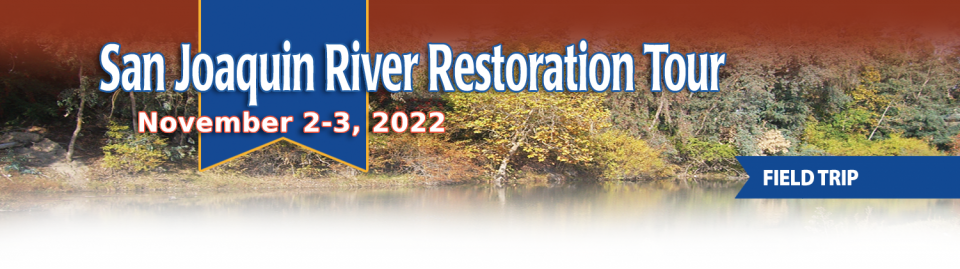
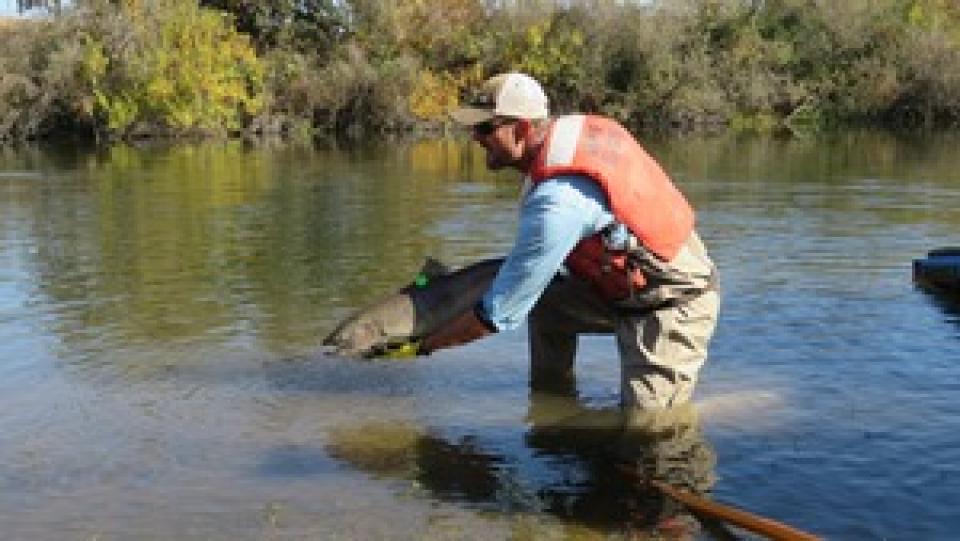
This tour traveled along the San Joaquin River to learn firsthand
about one of the nation’s largest and most expensive river
restoration projects.
The San Joaquin River was the focus of one of the most
contentious legal battles in California water history,
ending in a 2006 settlement between the federal government,
Friant Water Users Authority and a coalition of environmental
groups.
Hampton Inn & Suites Fresno
327 E Fir Ave
Fresno, CA 93720
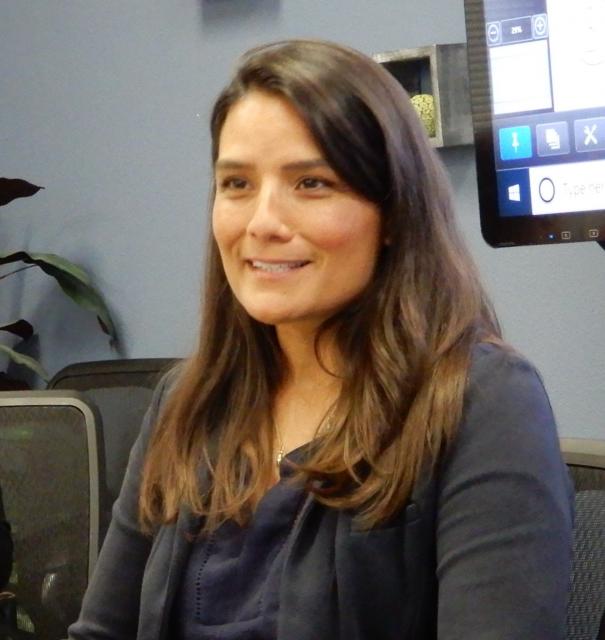
Martha Guzman recalls those awful
days working on water and other issues as a deputy legislative
secretary for then-Gov. Jerry Brown. California was mired in a
recession and the state’s finances were deep in the red. Parks
were cut, schools were cut, programs were cut to try to balance a
troubled state budget in what she remembers as “that terrible
time.”
She now finds herself in a strikingly different position: As
administrator of the U.S. Environmental Protection Agency’s
Region 9, she has a mandate to address water challenges across
California, Nevada, Arizona and Hawaii and $1 billion to help pay
for it. It is the kind of funding, she said, that is usually
spread out over a decade. Guzman called it the “absolutely
greatest opportunity.”
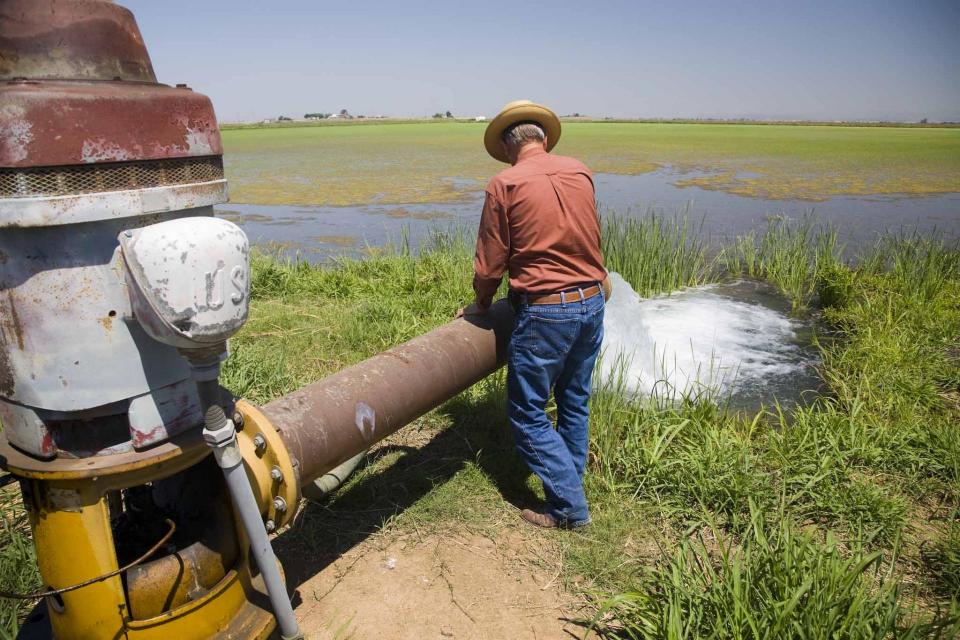
Groundwater provides about 40
percent of the water in California for urban, rural and
agricultural needs in typical years, and as much as 60 percent in
dry years when surface water supplies are low. But in many areas
of the state, groundwater is being extracted faster than it can
be replenished through natural or artificial means.
The bill is coming due, literally,
to protect and restore groundwater in California.
Local agencies in the most depleted groundwater basins in
California spent months putting together plans to show how they
will achieve balance in about 20 years.
California is chock full of rivers and creeks, yet the state’s network of stream gauges has significant gaps that limit real-time tracking of how much water is flowing downstream, information that is vital for flood protection, forecasting water supplies and knowing what the future might bring.
That network of stream gauges got a big boost Sept. 30 with the signing of SB 19. Authored by Sen. Bill Dodd (D-Napa), the law requires the state to develop a stream gauge deployment plan, focusing on reactivating existing gauges that have been offline for lack of funding and other reasons. Nearly half of California’s stream gauges are dormant.
Bruce Babbitt, the former Arizona
governor and secretary of the Interior, has been a thoughtful,
provocative and sometimes forceful voice in some of the most
high-profile water conflicts over the last 40 years, including
groundwater management in Arizona and the reduction of
California’s take of the Colorado River. In 2016, former
California Gov. Jerry Brown named Babbitt as a special adviser to
work on matters relating to the Sacramento-San Joaquin Delta and
the Delta tunnels plan.
Groundwater helped make Kern County
the king of California agricultural production, with a $7 billion
annual array of crops that help feed the nation. That success has
come at a price, however. Decades of unchecked groundwater
pumping in the county and elsewhere across the state have left
some aquifers severely depleted. Now, the county’s water managers
have less than a year left to devise a plan that manages and
protects groundwater for the long term, yet ensures that Kern
County’s economy can continue to thrive, even with less water.
Low-income Californians can get help with their phone bills, their natural gas bills and their electric bills. But there’s only limited help available when it comes to water bills.
That could change if the recommendations of a new report are implemented into law. Drafted by the State Water Resources Control Board, the report outlines the possible components of a program to assist low-income households facing rising water bills.
There’s going to be a new governor
in California next year – and a host of challenges both old and
new involving the state’s most vital natural resource, water.
So what should be the next governor’s water priorities?
That was one of the questions put to more than 150 participants
during a wrap-up session at the end of the Water Education
Foundation’s Sept. 20 Water Summit in Sacramento.
Spurred by drought and a major
policy shift, groundwater management has assumed an unprecedented
mantle of importance in California. Local agencies in the
hardest-hit areas of groundwater depletion are drawing plans to
halt overdraft and bring stressed aquifers to the road of
recovery.
Along the way, an army of experts has been enlisted to help
characterize the extent of the problem and how the Sustainable
Groundwater Management Act of 2014 is implemented in a manner
that reflects its original intent.
California voters may experience a sense of déjà vu this year when they are asked twice in the same year to consider water bonds — one in June, the other headed to the November ballot.
Both tackle a variety of water issues, from helping disadvantaged communities get clean drinking water to making flood management improvements. But they avoid more controversial proposals, such as new surface storage, and they propose to do some very different things to appeal to different constituencies.
Participants of this tour snaked along the San Joaquin River to
learn firsthand about one of the nation’s largest and most
expensive river restoration projects.
The San Joaquin River was the focus of one of the most
contentious legal battles in California water history,
ending in a 2006 settlement between the federal government,
Friant Water Users Authority and a coalition of environmental
groups.
California entered a new era of
groundwater management in 2014 with the passage of the
Sustainable Groundwater Management Act (SGMA), becoming the last
state in the arid West to enact some kind of comprehensive
groundwater
management program.
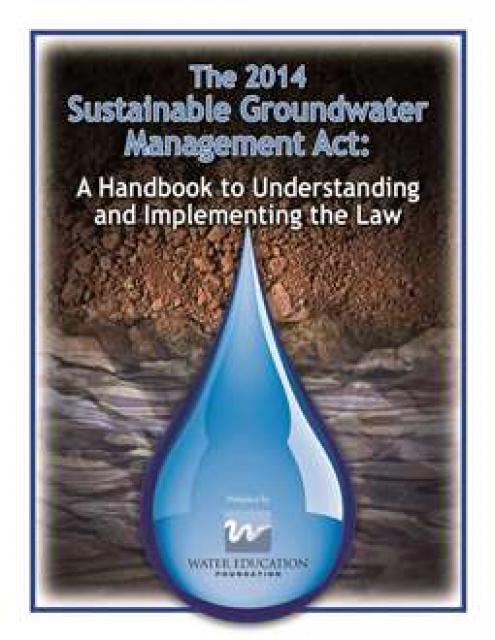
This handbook provides crucial
background information on the Sustainable Groundwater Management
Act, signed into law in 2014 by Gov. Jerry Brown. The handbook
also includes a section on options for new governance.
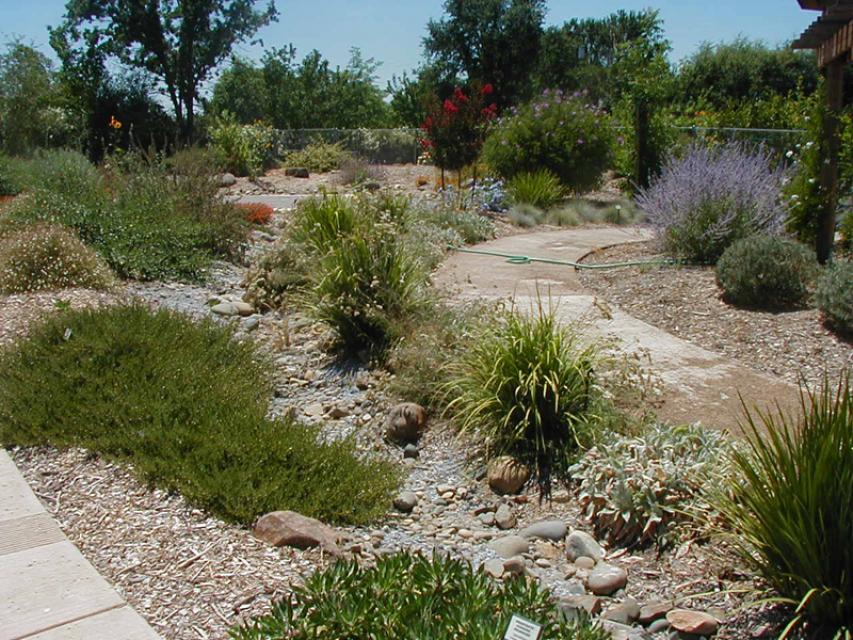
Water conservation has become a way of life throughout the West
with a growing recognition that water supply is not unlimited.
Drought is the most common motivator of increased water
conservation. However, the gradual drying of the West due to
climate change means the amount of fresh water available for
drinking, irrigation, industry and other uses must be used as
efficiently as possible.
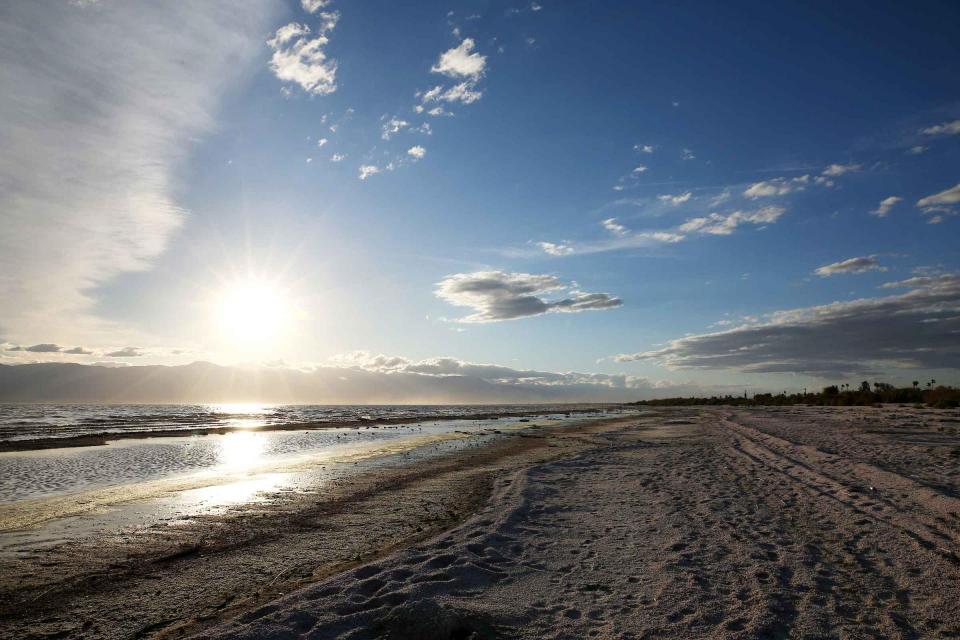
As part of the historic Colorado
River Delta, the Salton Sea regularly filled and dried for
thousands of years due to its elevation of 237 feet below
sea level.
The most recent version of the Salton Sea was formed in 1905 when
the Colorado River broke
through a series of dikes and flooded the seabed for two years,
creating California’s largest inland body of water. The
Salton Sea, which is saltier than the Pacific Ocean, includes 130
miles of shoreline and is larger than Lake Tahoe.
The federal Safe Drinking Water Act sets standards for drinking
water quality in the United States.
Launched in 1974 and administered by the U.S. Environmental
Protection Agency, the Safe Drinking Water Act oversees states,
communities, and water suppliers who implement the drinking water
standards at the local level.
The act’s regulations apply to every public water system in the
United States but do not include private wells serving less than
25 people.
According to the EPA, there are more than 160,000 public water
systems in the United States.
The California Environmental Quality
Act, commonly known as CEQA, is foundational to the state’s
environmental protection efforts. The law requires proposed
developments with the potential for “significant” impacts on the
physical environment to undergo an environmental review.
Since its passage in 1970, CEQA (based on the National
Environmental Policy Act) has served as a model for
similar legislation in other states.
This printed issue of Western Water looks at some of
the pieces of the 2009 water legislation, including the Delta
Stewardship Council, the new requirements for groundwater
monitoring and the proposed water bond.
This printed issue of Western Water looks at California
groundwater and whether its sustainability can be assured by
local, regional and state management. For more background
information on groundwater please refer to the Foundation’s
Layperson’s Guide to Groundwater.
This printed issue of Western Water looks at hydraulic
fracturing, or “fracking,” in California. Much of the information
in the article was presented at a conference hosted by the
Groundwater Resources Association of California.
This issue of Western Water looks at the political
landscape in Washington, D.C., and Sacramento as it relates to
water issues in 2007. Several issues are under consideration,
including the means to deal with impending climate change, the
fate of the San Joaquin River, the prospects for new surface
storage in California and the Delta.
This printed issue of Western Water examines water
infrastructure – its costs and the quest to augment traditional
brick-and-mortar facilities with sleeker, “green” features.
This printed issue of Western Water examines the
financing of water infrastructure, both at the local level and
from the statewide perspective, and some of the factors that
influence how people receive their water, the price they pay for
it and how much they might have to pay in the future.
This printed issue of Western Water looks at the energy
requirements associated with water use and the means by which
state and local agencies are working to increase their knowledge
and improve the management of both resources.
This printed issue of Western Water discusses low
impact development and stormwater capture – two areas of emerging
interest that are viewed as important components of California’s
future water supply and management scenario.
This printed issue of Western Water examines the
Colorado River Basin Water Supply and Demand Study and what its
finding might mean for the future of the lifeblood of the
Southwest.
20-minute version of the 2012 documentary The Klamath Basin: A
Restoration for the Ages. This DVD is ideal for showing at
community forums and speaking engagements to help the public
understand the complex issues related to complex water management
disputes in the Klamath River Basin. Narrated by actress Frances
Fisher.
For over a century, the Klamath River Basin along the Oregon and
California border has faced complex water management disputes. As
relayed in this 2012, 60-minute public television documentary
narrated by actress Frances Fisher, the water interests range
from the Tribes near the river, to energy producer PacifiCorp,
farmers, municipalities, commercial fishermen, environmentalists
– all bearing legitimate arguments for how to manage the water.
After years of fighting, a groundbreaking compromise may soon
settle the battles with two epic agreements that hold the promise
of peace and fish for the watershed. View an excerpt from the
documentary here.
30-minute DVD that traces the history of the U.S. Bureau of
Reclamation and its role in the development of the West. Includes
extensive historic footage of farming and the construction of
dams and other water projects, and discusses historic and modern
day issues.
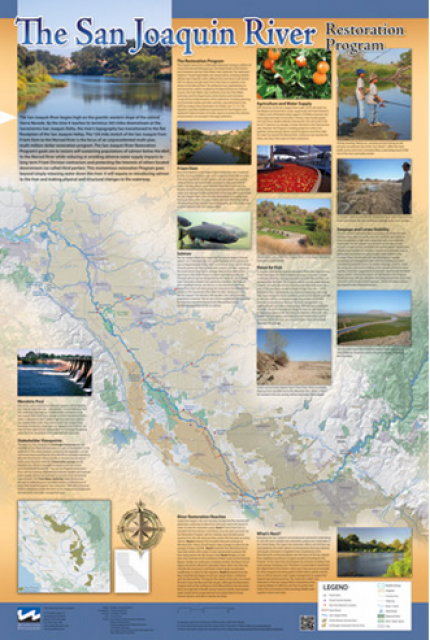
This beautiful 24×36 inch poster, suitable for framing, features
a map of the San Joaquin River. The map text focuses on the San
Joaquin River Restoration Program, which aims to restore flows
and populations of Chinook salmon to the river below Friant Dam
to its confluence with the Merced River. The text discusses the
history of the program, its goals and ongoing challenges with
implementation.
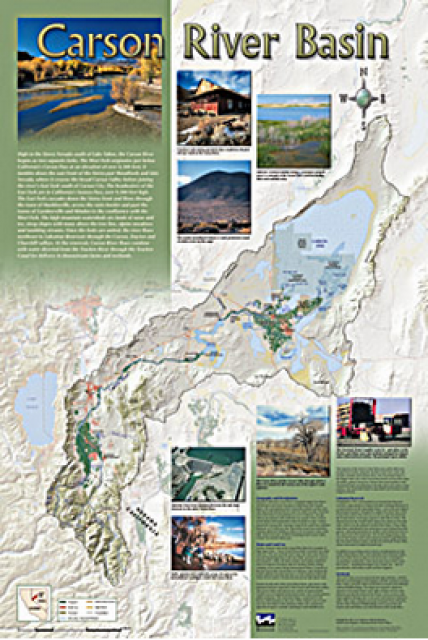
A companion to the Truckee River Basin Map poster, this
24×36-inch poster, suitable for framing, explores the Carson
River, and its link to the Truckee River. The map includes the
Lahontan Dam and reservoir, the Carson Sink, and the farming
areas in the basin. Map text discusses the region’s hydrology and
geography, the Newlands Project, land and water use within the
basin and wetlands. Development of the map was funded by a grant
from the U.S. Bureau of Reclamation Mid-Pacific Region, Lahontan
Basin Area Office.
The 28-page Layperson’s Guide to Water Rights Law, recognized as
the most thorough explanation of California water rights law
available to non-lawyers, traces the authority for water flowing
in a stream or reservoir, from a faucet or into an irrigation
ditch through the complex web of California water rights.
The 20-page Layperson’s Guide to Water Marketing provides
background information on water rights, types of transfers and
critical policy issues surrounding this topic. First published in
1996, the 2005 version offers expanded information on
groundwater banking and conjunctive use, Colorado River
transfers and the role of private companies in California’s
developing water market.
Order in bulk (25 or more copies of the same guide) for a reduced
fee. Contact the Foundation, 916-444-6240, for details.
The 24-page Layperson’s Guide to the State Water Project provides
an overview of the California-funded and constructed State Water
Project.
The State Water Project is best known for the 444-mile-long
aqueduct that provides water from the Delta to San Joaquin Valley
agriculture and southern California cities. The guide contains
information about the project’s history and facilities.
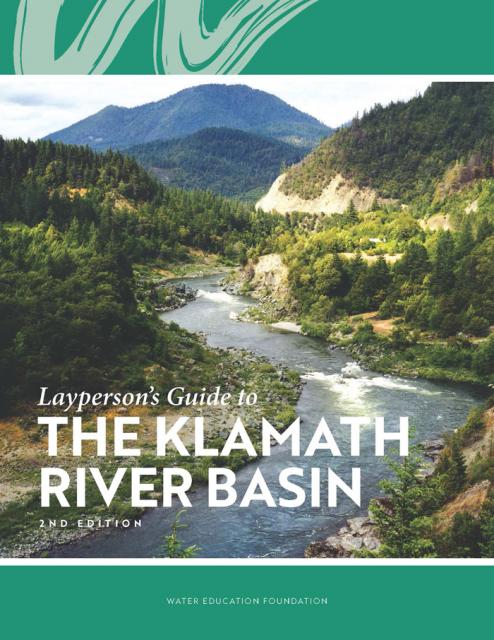
The Water Education Foundation’s second edition of
the Layperson’s Guide to The Klamath River Basin is
hot off the press and available for purchase.
Updated and redesigned, the easy-to-read overview covers the
history of the region’s tribal, agricultural and environmental
relationships with one of the West’s largest rivers — and a
vast watershed that hosts one of the nation’s oldest and
largest reclamation projects.
The 24-page Layperson’s Guide to Integrated Regional Water
Management (IRWM) is an in-depth, easy-to-understand publication
that provides background information on the principles of IRWM,
its funding history and how it differs from the traditional water
management approach.
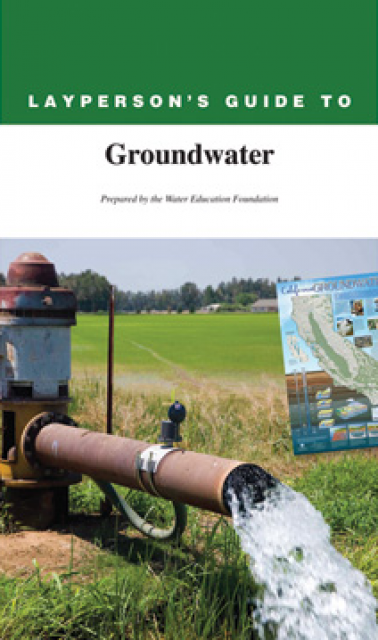
The 28-page Layperson’s Guide to Groundwater is an in-depth,
easy-to-understand publication that provides background and
perspective on groundwater. The guide explains what groundwater
is – not an underground network of rivers and lakes! – and the
history of its use in California.
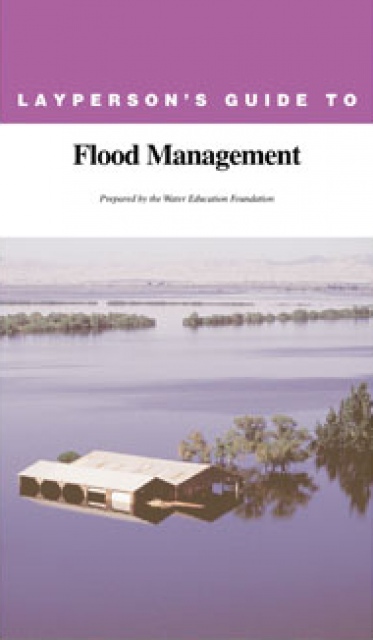
The 24-page Layperson’s Guide to Flood Management explains the
physical flood control system, including levees; discusses
previous flood events (including the 1997 flooding); explores
issues of floodplain management and development; provides an
overview of flood forecasting; and outlines ongoing flood control
projects.
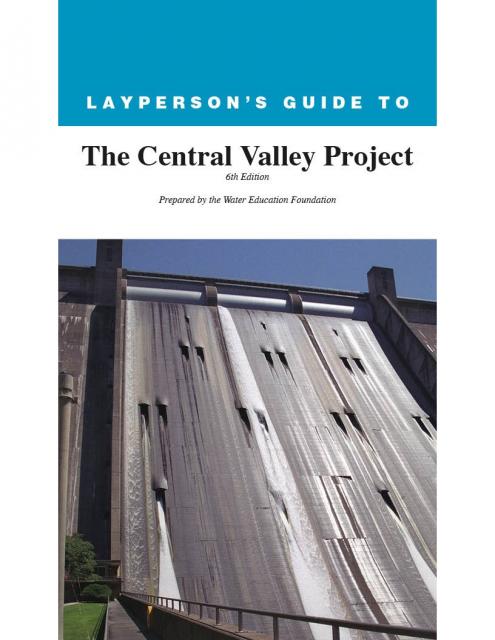
The 24-page Layperson’s Guide to the Central Valley Project
explores the history and development of the federal Central
Valley Project (CVP), California’s largest surface water delivery
system. In addition to the project’s history, the guide describes
the various facilities, operations and benefits the water
project brings to the state along with the CVP
Improvement Act (CVPIA).
Passed in 1970, the federal National Environmental Policy Act
requires lead public agencies to prepare and submit for public
review environmental impact reports and statements on major
federal projects under their purview with potentially significant
environmental effects.
According to the Department of Energy, administrator of NEPA:
California has considered, but not implemented, a comprehensive
groundwater strategy many
times over the last century.
One hundred years ago, the California Conservation Commission
considered adding groundwater regulation into the Water
Commission Act of 1913. After hearings were held, it was
decided to leave groundwater rights out of the Water Code.
Federal reserved rights were created when the United States
reserved land from the public domain for uses such as Indian
reservations, military bases and national parks, forests and
monuments. [See also Pueblo Rights].
One of the major characteristics of federal reserved water rights
is that they often are senior in priority to water rights
established under state law. The date of priority of a federal
reserved right is the date the reservation was established, and
many were established prior to state water claims.
The federal government passed the Endangered Species Act in 1973,
following earlier legislation. The first, the Endangered
Species Preservation Act of 1966, authorized land acquisition to
conserve select species. The Endangered Species Conservation Act
of 1969 then expanded on the 1966 act, and authorized “the
compilation of a list of animals “threatened with worldwide
extinction” and prohibits their importation without a permit.”
California’s Legislature passed the
Wild and Scenic Rivers Act in 1972, following the passage of the
federal Wild and Scenic Rivers Act by Congress in 1968. Under
California law, “[c]ertain rivers which possess extraordinary
scenic, recreational, fishery, or wildlife values shall be
preserved in their free-flowing state, together with their
immediate environments, for the benefit and enjoyment of the
people of the state.”
The legal term “area-of-origin” dates back to 1931 in California.
At that time, concerns over water transfers prompted enactment of
four “area-of-origin” statutes. With water transfers from
Yosemite’s Hetch Hetchy Valley to supply water for San Francisco
and from Owens Valley to Los Angeles fresh in mind, the
California statutes were intended to protect local areas against
export of water.
In particular, counties in Northern California had concerns about
the state tapping their water to develop California’s supply.
It would be a vast understatement to say the package of water
bills approved by the California Legislature and signed by Gov.
Arnold Schwarzenegger last November was anything but a
significant achievement. During a time of fierce partisan battles
and the state’s long-standing political gridlock with virtually
all water policy, pundits at the beginning of 2009 would have
given little chance to lawmakers being able to reach compromise
on water legislation.
This year marks the 30th anniversary of one of the most
significant environmental laws in American history, the Clean
Water Act (CWA). The law that emerged from the consensus and
compromise that characterizes the legislative process has had
remarkable success, reversing years of neglect and outright abuse
of the nation’s waters.
In January, Mary Nichols joined the cabinet of the new Davis
administration. With her appointment by Gov. Gray Davis as
Secretary for Resources, Ms. Nichols, 53, took on the role of
overseeing the state of California’s activities for the
management, preservation and enhancement of its natural
resources, including land, wildlife, water and minerals. As head
of the Resources Agency, she directs the activities of 19
departments, conservancies, boards and commissions, serving as
the governor’s representative on these boards and commissions.
Two days before our annual Executive Briefing, I picked up my
phone to hear “The White House calling… .” Vice President Al
Gore had accepted the foundation’s invitation to speak at our
March 13 briefing on California water issues. That was the start
of a new experience for us. For in addition to conducting a
briefing for about 250 people, we were now dealing with Secret
Service agents, bomb sniffing dogs and government sharpshooters,
speech writers, print and TV reporters, school children and
public relations people.