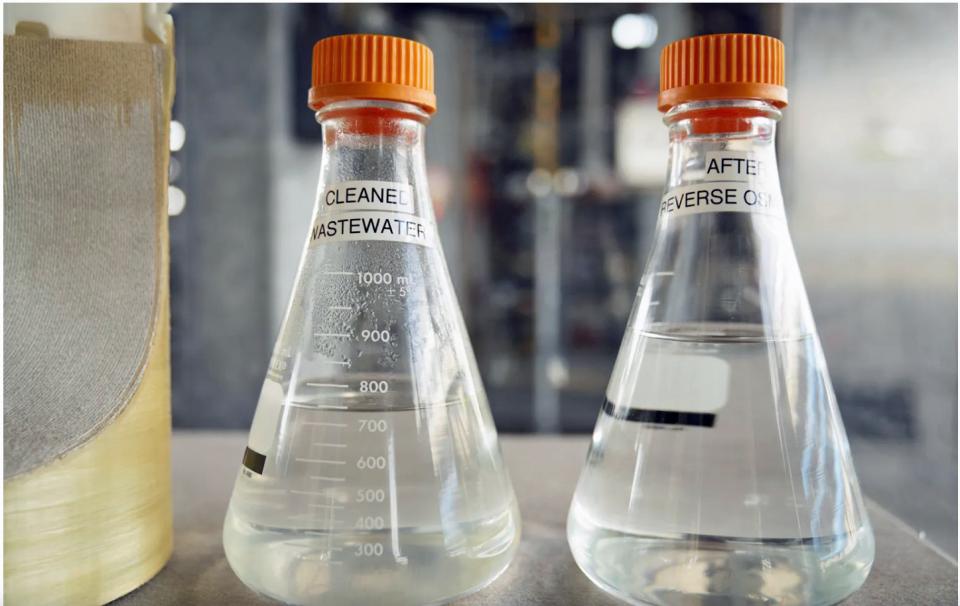
All water is naturally recycled and
reused as part of the hydrologic cycle. Recycled
water is also produced by purifying wastewater for safe use in
drinking (potable) water and for non-potable uses such as
irrigation.
Recycling wastewater provides a new, costly but renewable water
resource that can bolster local water supplies, save energy and
reduce the amount of sewage treatment plant effluent emptied into
rivers and oceans.
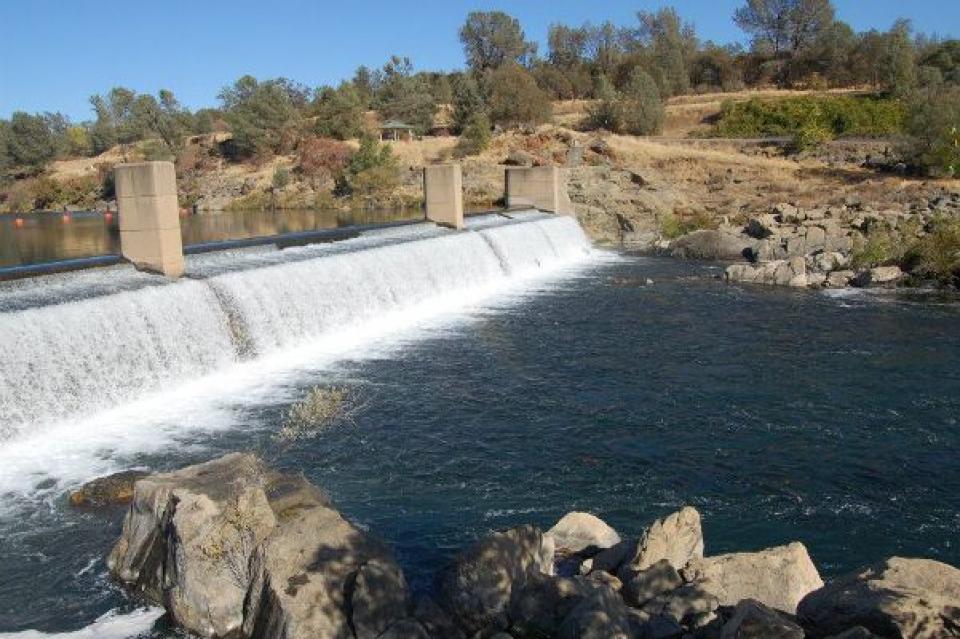
The Red Bluff Diversion Dam, its gates raised since 2011 to allow
fish passage, spans the Sacramento River two miles
southeast of Red Bluff on the Sacramento River in Tehama County.
It is owned by the Bureau of Reclamation and operated and
maintained by the Tehama-Colusa Canal Authority.
Front-line responsibility for protecting California’s water
quality and policing waste discharges in the state rests
primarily with nine regional water quality control boards
overseeing water quality in major watersheds from Oregon to
Mexico.
The nine regional boards are semi-autonomous from the State Water
Resources Control Board, which is charged with allocating surface
water rights and setting statewide policy on water quality. The
regional boards are comprised of seven part-time board members
appointed by the Governor and confirmed by the state Senate.
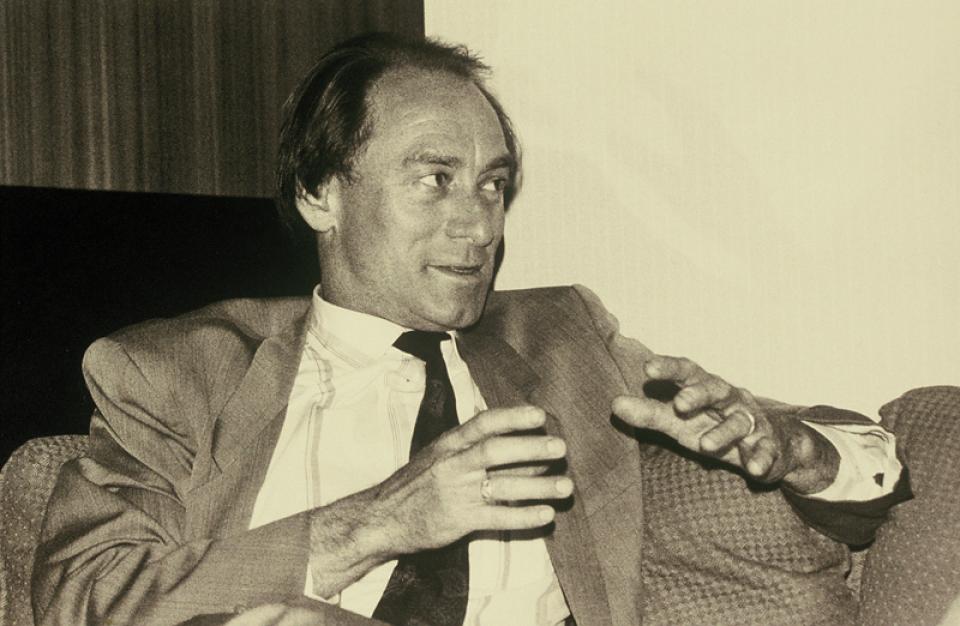
Marc Reisner (1948-2000), an environmental writer who became a
celebrity in the water world, was the author of Cadillac Desert:
The American West and Its Disappearing Water (1986), a
best-seller about Western water history and politics and a
full-blown critique of 20th century water development, especially
in California and the West. “Based on 10 years of research,
Cadillac Desert is a stunning expose and a dramatic, provocative
history of the creation of an Eden — an Eden that may be only a
mirage,” according to the book’s back flap.
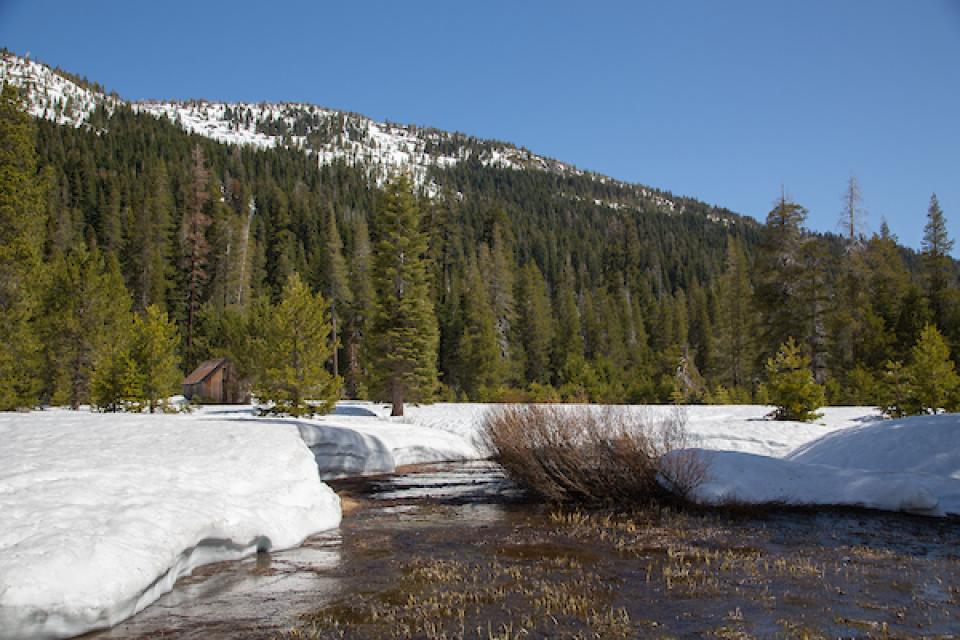
Remote sensing technology brings greater information and detail
about things such as levee integrity, microclimate conditions in
a farm field and the depth of the Sierra Nevada snowpack. If not
from satellite cameras, the imagery is often relayed through
high-flying aircraft.
Surface water is water
found in rivers, lakes, streams, and ponds. There are a limited
number of instances in which water in a defined underground
channel is classified as surface water. There are several types
of water rights that apply to surface water.
A landowner whose property borders a river has a right to use
water from that river on his land. This is called riparian
rights.
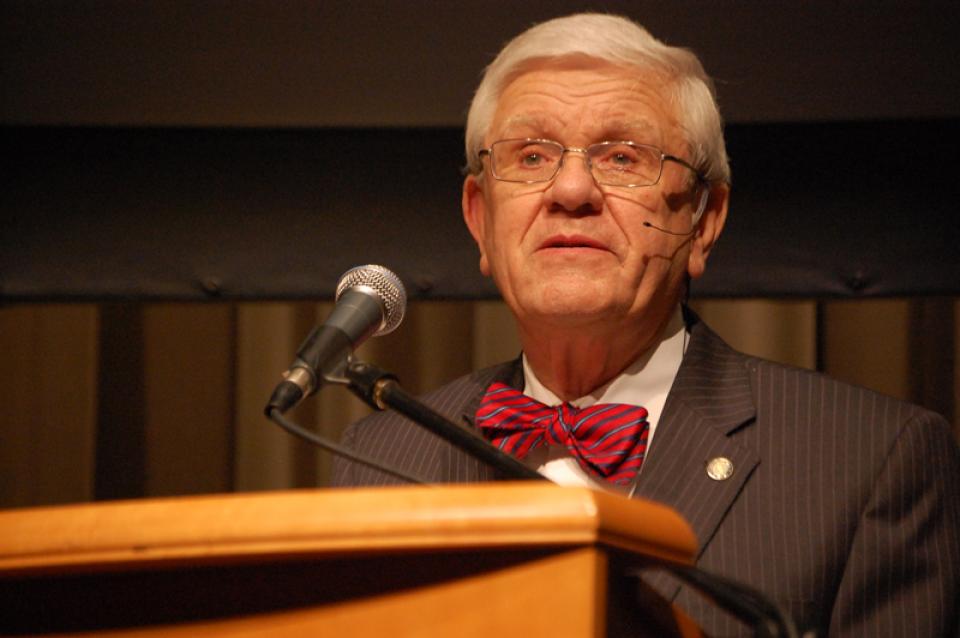
Ronald B. Robie, an associate justice on the California Court of
Appeal, Third Appellate District, has made his mark on state
water issues during a career in public service that has spanned
all three branches of government.
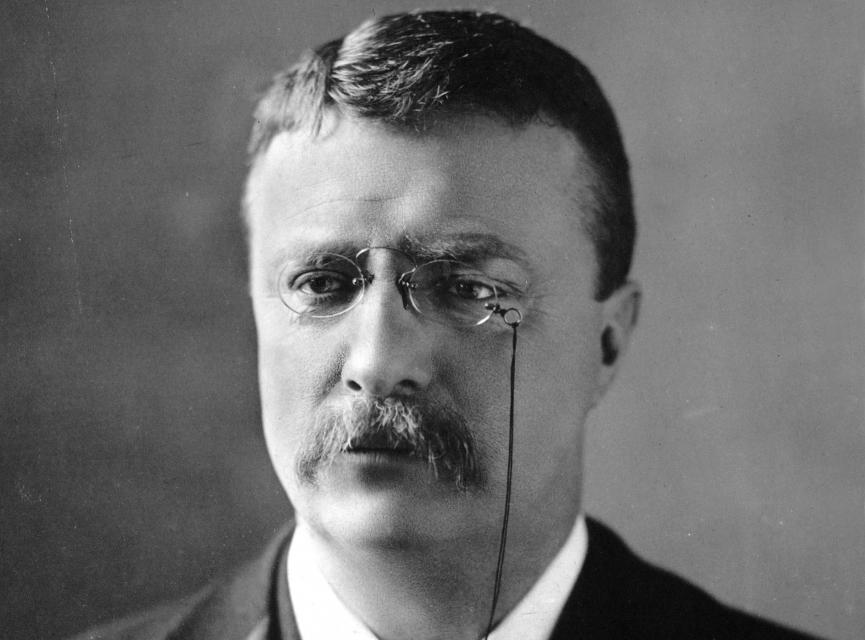
Theodore “Teddy” Roosevelt (1858-1919) was the 26th president of
the United States who established the U.S. Bureau of Reclamation
and created the U.S. Forest Service.
During his term of office from 1901-1909, he is credited for his
efforts on conservation, increasing the number of national
forests, protecting land for the public and promoting irrigation
projects. For Roosevelt, water was instrumental to developing the
Western states.
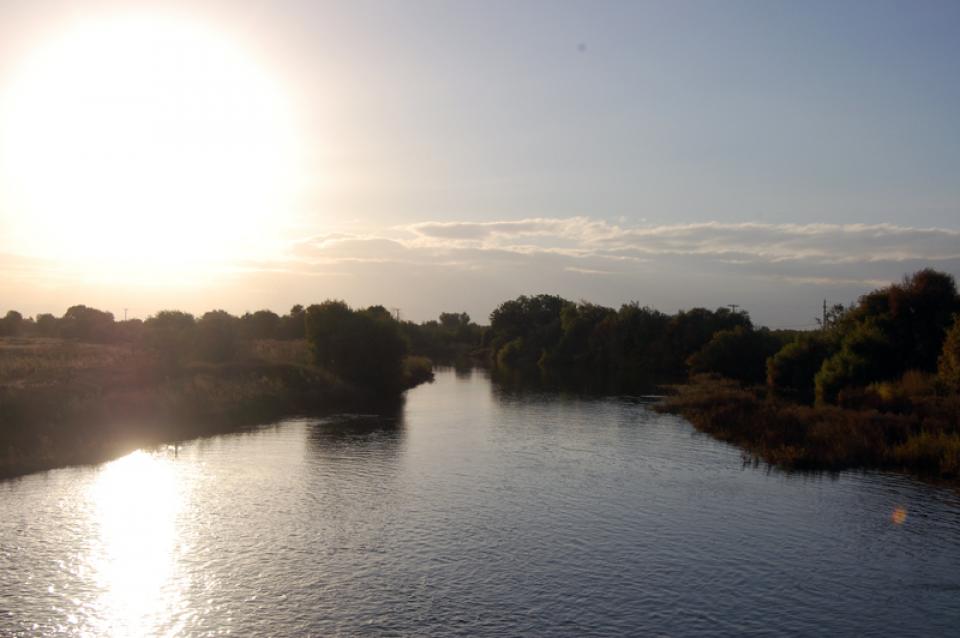
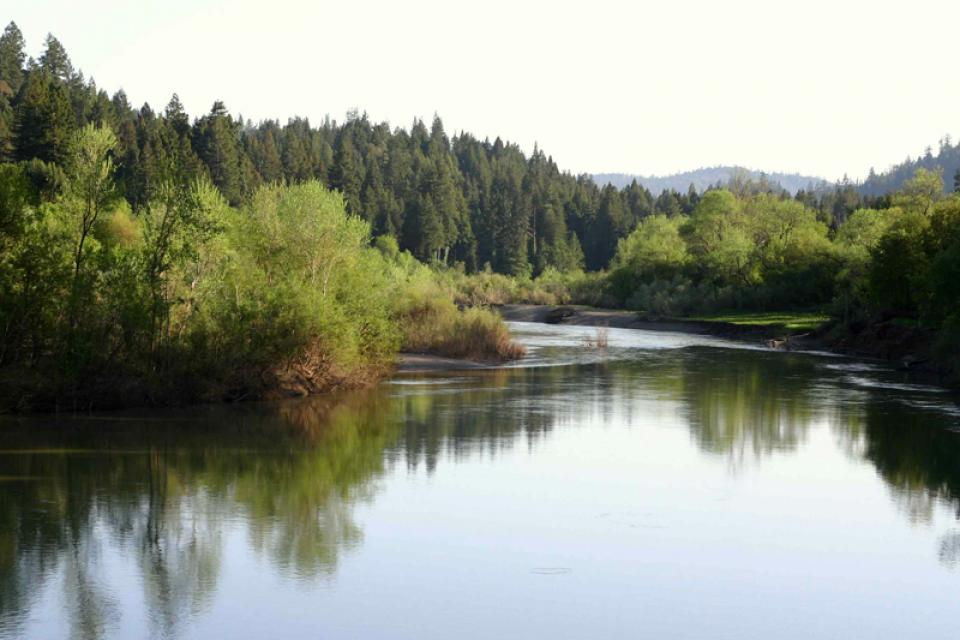
The Russian River is one of the major northern streams that drain
the sparsely populated, forested coastal area that stretches from
San Francisco to the Oregon border.