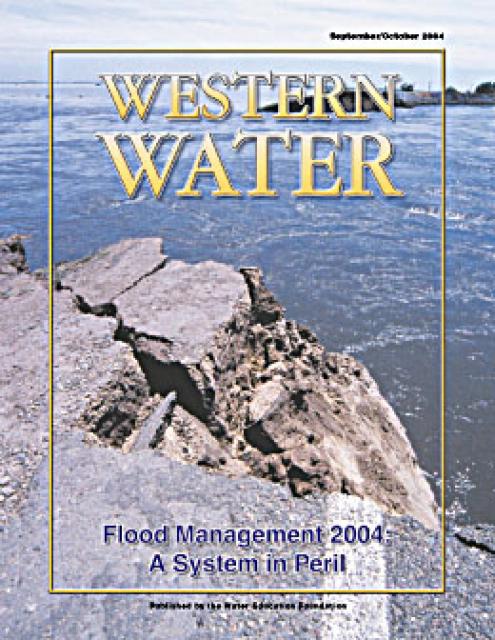
California would not exist as it does today were it not for the
extensive system of levees, weirs and flood bypasses that have
been built through the years, particularly in the Sacramento-San
Joaquin Delta.
The San Francisco Bay shoreline’s first-of-its-kind horizontal
“living levee” project is now open to the public. More than
2,000 plants hailing from 30 species are planted on a
500-foot-long slope of the Harbor Marsh shores in the Palo Alto
Baylands. Traditional levees are constructed from rocks or
concrete, but this project is piled high with
vegetation to create a healthier ecosystem for the marsh,
acting as a natural buffer between the land and water.
Its overall goal: to provide the shore with protection from
rising sea levels, which can cause flooding. … The
plants are irrigated by treated wastewater
from the Regional Water Quality Control Plant, which is owned
by Palo Alto.
… On Thursday, state water regulators released a draft permit
for the highly anticipated Sites Reservoir,
outlining how much water the proposed $6 billion facility
in rural Glenn and Colusa counties can draw from the
Sacramento River and, importantly, when those draws can be
made. The project’s backers, who include Gov.
Gavin Newsom, criticized an earlier draft of the
permit as overly restrictive, saying it offered as little as
half the water needed and left the viability of what
would be California’s eighth largest reservoir in
question. Cities and farms across the state stand to
benefit from the new water supply, including in the Bay Area’s
South Bay and Tri-Valley, though opponents of the
project say it will dangerously deplete the Sacramento
River.
The state Legislature this week approved $158.2 million to
protect the Delta and the State Water Project
infrastructure. The Legislature approved $90.2 million
to fortify the Delta’s aging levees, along
with up to $68 million to safeguard the State Water
Project’s California Aqueduct and canals. … The
budget funding is only about half of the $300 million
that was initially requested. Moreover, that
request was for $300 million annually, divided equally between
the Delta levees and the State Water Project infrastructure.
… Also included in Tuesday’s budget approval was $5
million to acquire Jersey Island in the Delta and repair its
levees.
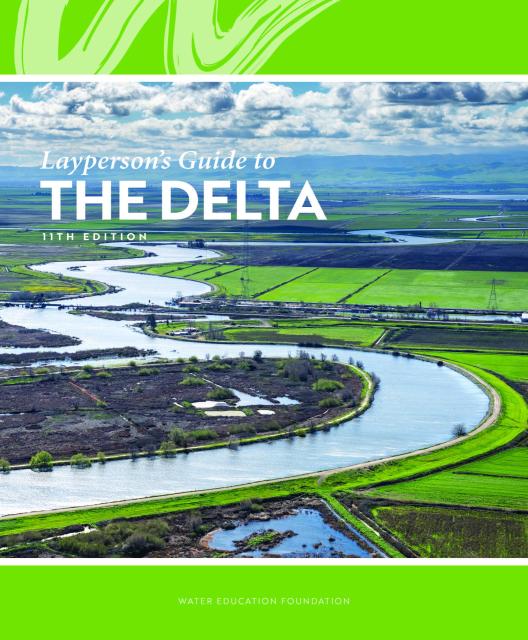
The 24-page Layperson’s Guide to the Delta explores the competing
uses and demands on California’s Sacramento-San Joaquin
Delta. The 11th edition examines this critical
water hub and its myriad challenges. The 2025 version
includes the latest information on the tunnel project, habitat
restoration efforts, climate change impacts and an updated
section on the legal and political facets of the Delta.
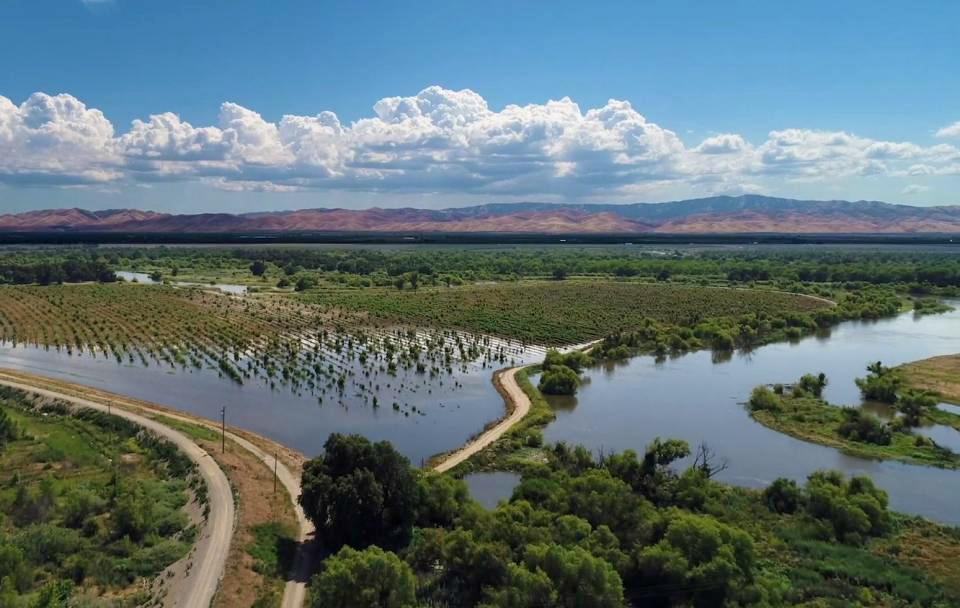
Land and waterway managers labored
hard over the course of a century to control California’s unruly
rivers by building dams and levees to slow and contain their
water. Now, farmers, environmentalists and agencies are undoing
some of that work as part of an accelerating campaign to restore
the state’s major floodplains.
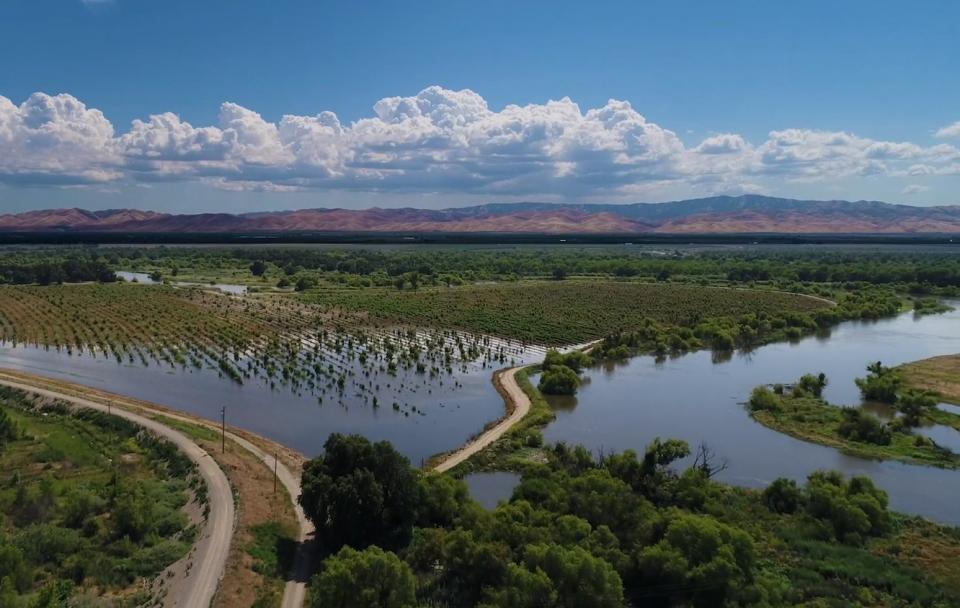
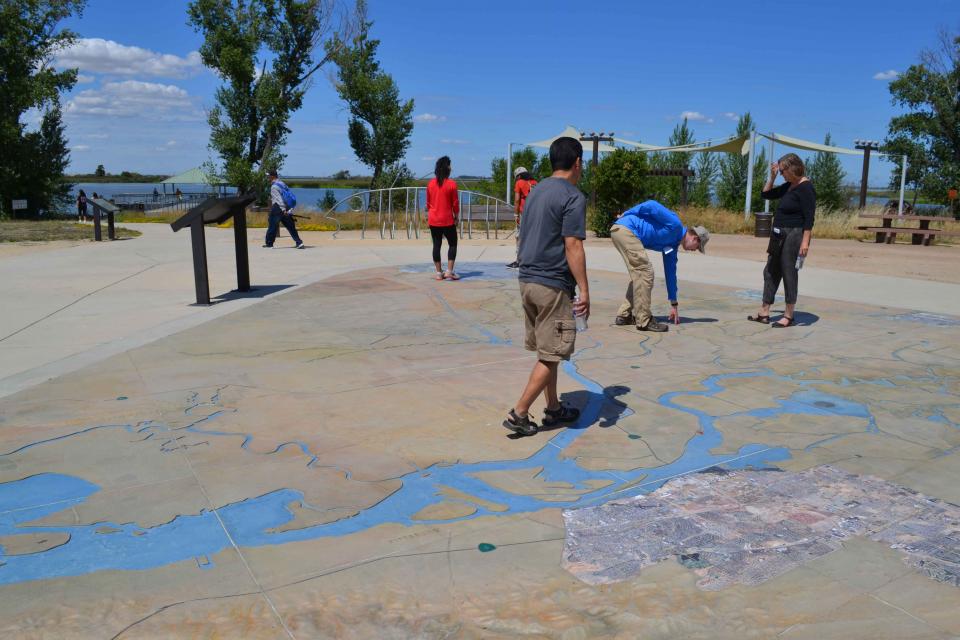
This tour guided participants on a virtual journey deep into California’s most crucial water and ecological resource – the Sacramento-San Joaquin Delta. The 720,000-acre network of islands and canals support the state’s two major water systems – the State Water Project and the Central Valley Project. The Delta and the connecting San Francisco Bay form the largest freshwater tidal estuary of its kind on the West coast.
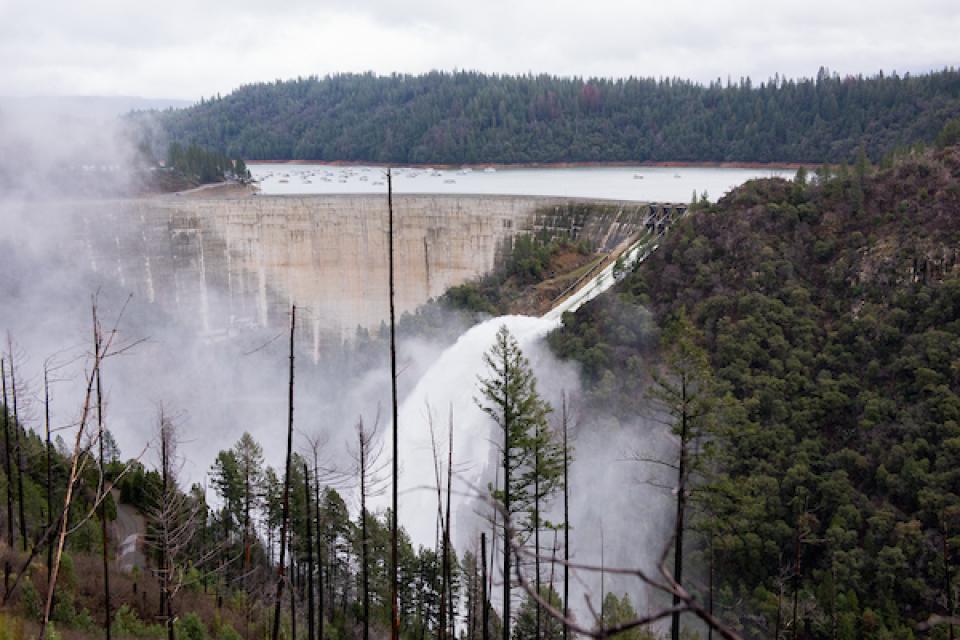
Many of California’s watersheds are
notoriously flashy – swerving from below-average flows to jarring
flood conditions in quick order. The state needs all the water it
can get from storms, but current flood management guidelines are
strict and unyielding, requiring reservoirs to dump water each
winter to make space for flood flows that may not come.
However, new tools and operating methods are emerging that could
lead the way to a redefined system that improves both water
supply and flood protection capabilities.
Farmers in the Central Valley are broiling about California’s plan to increase flows in the Sacramento and San Joaquin river systems to help struggling salmon runs avoid extinction. But in one corner of the fertile breadbasket, River Garden Farms is taking part in some extraordinary efforts to provide the embattled fish with refuge from predators and enough food to eat.
And while there is no direct benefit to one farm’s voluntary actions, the belief is what’s good for the fish is good for the farmers.
Along the banks of the
Sacramento-San Joaquin Delta in Oakley, about 50 miles southwest
of Sacramento, is a park that harkens back to the days when the
Delta lured Native Americans, Spanish explorers, French fur
trappers, and later farmers to its abundant wildlife and rich
soil.
That historical Delta was an enormous marsh linked to the two
freshwater rivers entering from the north and south, and tidal
flows coming from the San Francisco Bay. After the Gold Rush,
settlers began building levees and farms, changing the landscape
and altering the habitat.
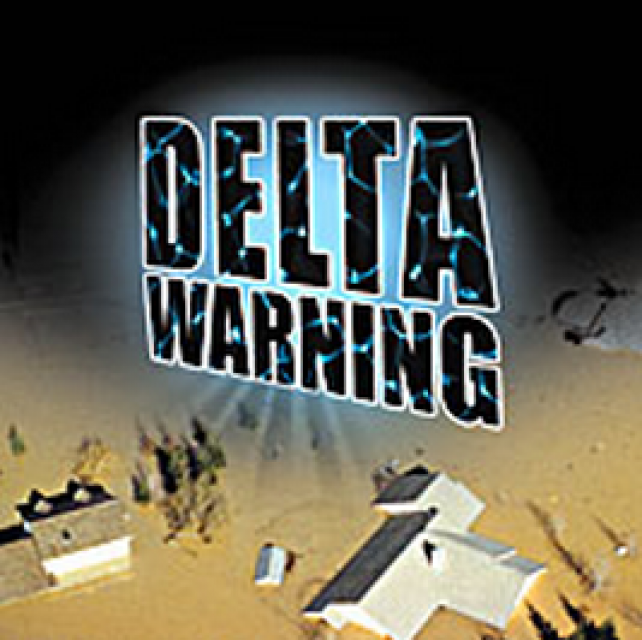
15-minute DVD that graphically portrays the potential disaster
should a major earthquake hit the Sacramento-San Joaquin Delta.
“Delta Warning” depicts what would happen in the event of an
earthquake registering 6.5 on the Richter scale: 30 levee breaks,
16 flooded islands and a 300 billion gallon intrusion of salt
water from the Bay – the “big gulp” – which would shut down the
State Water Project and Central Valley Project pumping plants.
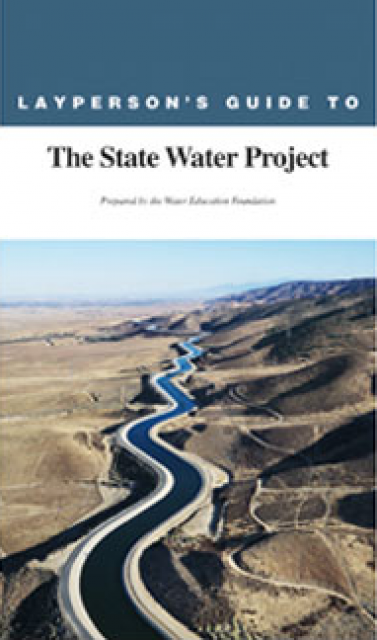
The 24-page Layperson’s Guide to the State Water Project provides
an overview of the California-funded and constructed State Water
Project.
The State Water Project is best known for the 444-mile-long
aqueduct that provides water from the Delta to San Joaquin Valley
agriculture and southern California cities. The guide contains
information about the project’s history and facilities.
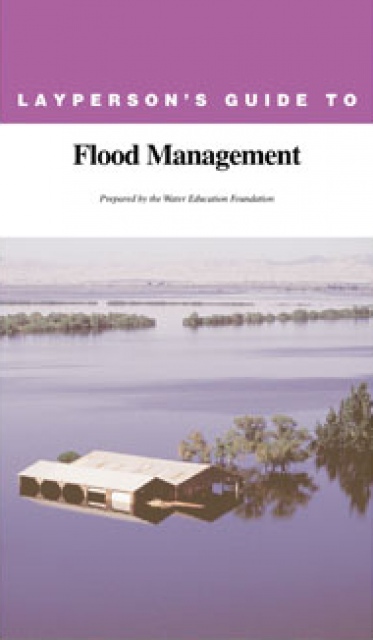
The 24-page Layperson’s Guide to Flood Management explains the
physical flood control system, including levees; discusses
previous flood events (including the 1997 flooding); explores
issues of floodplain management and development; provides an
overview of flood forecasting; and outlines ongoing flood control
projects.
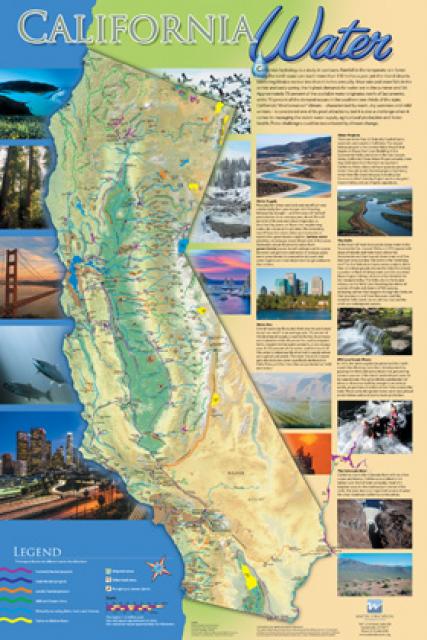
A new look for our most popular product! And it’s the perfect
gift for the water wonk in your life.
Our 24×36-inch California Water Map is widely known for being the
definitive poster that shows the integral role water plays in the
state. On this updated version, it is easier to see California’s
natural waterways and man-made reservoirs and aqueducts
– including federally, state and locally funded
projects – the wild and scenic rivers system, and
natural lakes. The map features beautiful photos of
California’s natural environment, rivers, water projects,
wildlife, and urban and agricultural uses and the
text focuses on key issues: water supply, water use, water
projects, the Delta, wild and scenic rivers and the Colorado
River.
With the dual threats of aging levees and anticipated rising sea levels,
floodplains — low
areas along waterways that flood during wet years — are
increasingly at the forefront of many public policy and water
issues in California.
Adding to the challenges, many floodplains have been heavily
developed and are home to major cities such as Sacramento. Large
parts of California’s valleys are historic floodplains as well.
California would not exist as it does today were it not for the
extensive system of levees, weirs and flood bypasses that have
been built through the years, particularly in the Sacramento-San Joaquin
Delta.
These levees have been in place dating back to 1850, when
California first joined the union.
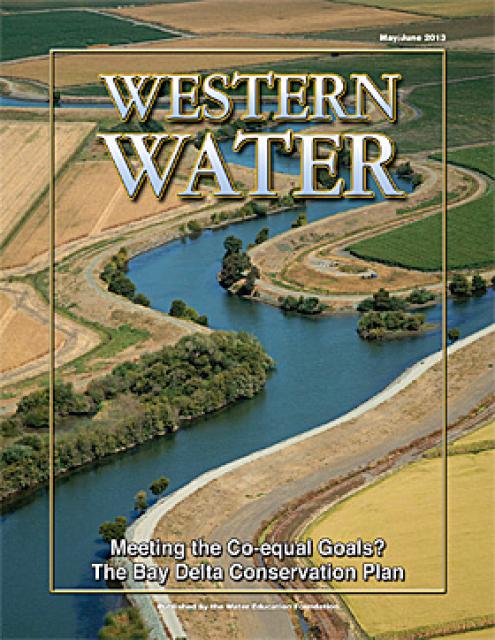
This issue of Western Water looks at the BDCP and the
Coalition to Support Delta Projects, issues that are aimed at
improving the health and safety of the Delta while solidifying
California’s long-term water supply reliability.
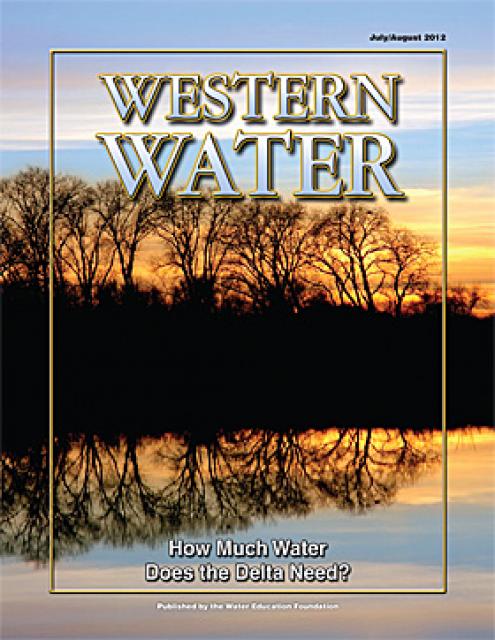
This printed issue of Western Water examines the issues
associated with the State Water Board’s proposed revision of the
water quality Bay-Delta Plan, most notably the question of
whether additional flows are needed for the system, and how they
might be provided.
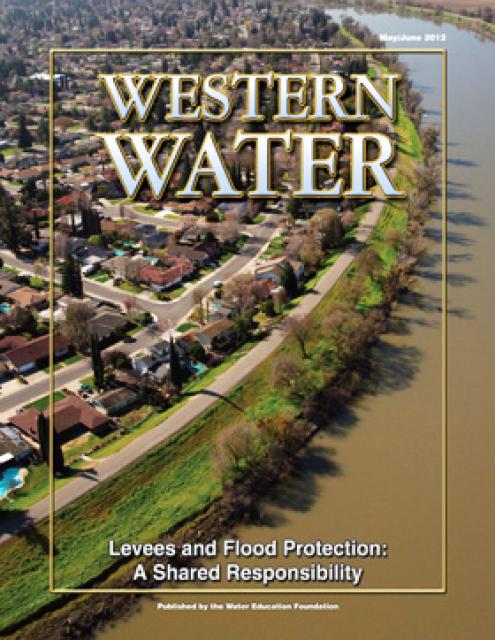
This printed issue of Western Water discusses several
flood-related issues, including the proposed Central Valley Flood
Protection Plan, the FEMA remapping process and the dispute
between the state and the Corps regarding the levee vegetation
policy.
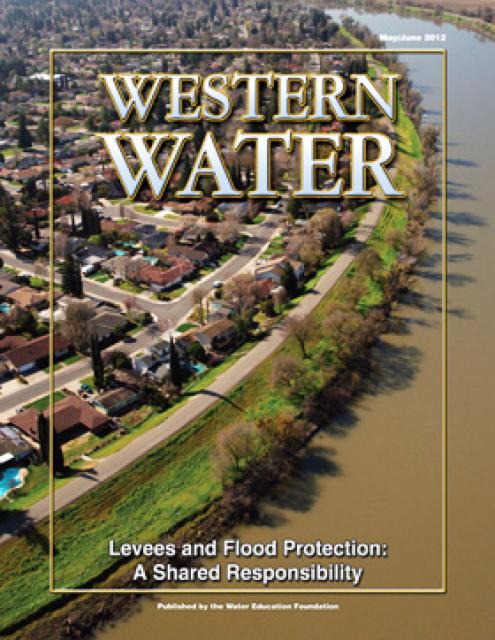
Levees are one of those pieces of engineering that are never
really appreciated until they fail. California would not exist as
it does today were it not for the extensive system of levees,
weirs and flood bypasses that have been built through the years.
This printed copy of Western Water examines the Delta through the
many ongoing activities focusing on it, most notably the Delta
Vision process. Many hours of testimony, research, legal
proceedings, public hearings and discussion have occurred and
will continue as the state seeks the ultimate solution to the
problems tied to the Delta.
This printed copy of Western Water examines climate change –
what’s known about it, the remaining uncertainty and what steps
water agencies are talking to prepare for its impact. Much of the
information comes from the October 2007 California Climate Change
and Water Adaptation Summit sponsored by the Water Education
Foundation and DWR and the November 2007 California Water Policy
Conference sponsored by Public Officials for Water and
Environmental Reform.
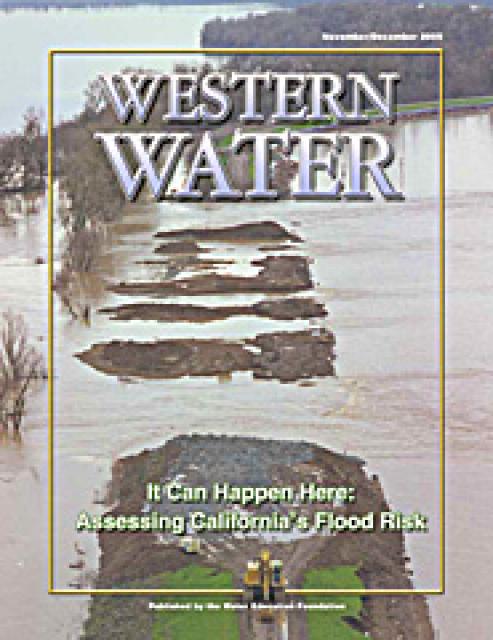
This issue of Western Water examines the extent to
which California faces a disaster equal to or greater than the
New Orleans floods and the steps being taken to recognize and
address the shortcomings of the flood control system in the
Central Valley and the Delta, which is of critical importance
because of its role in providing water to 22 million people.
Complicating matters are the state’s skyrocketing pace of growth
coupled with an inherently difficult process of obtaining secure,
long-term funds for levee repairs and continued maintenance.
This issue of Western Water analyzes northern California’s
extensive flood control system – it’ history, current concerns,
the Paterno decision and how experts are re-thinking the concept
of flood management.