




Sacramento-San Joaquin Delta Governance
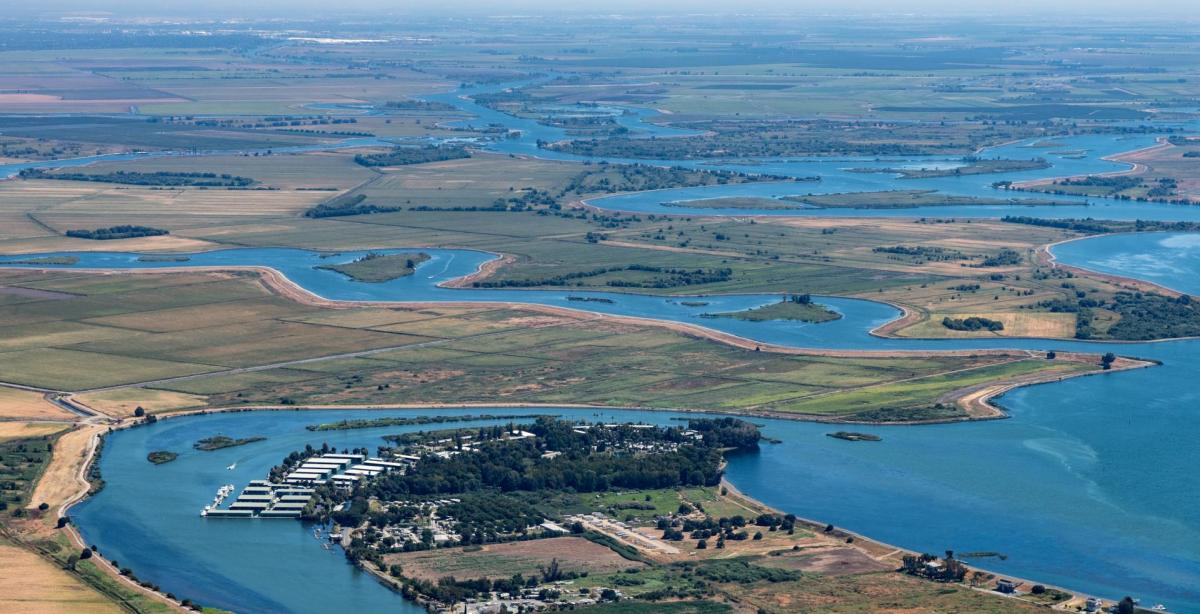 Dozens of agencies have interests
or jurisdiction in the Sacramento-San
Joaquin Delta, ranging from federal and state water supply
and wildlife agencies to local governments and water agencies
that rely on the Delta for their supplies. While that makes for a
messy and constantly changing regulatory tangle, two state
agencies, the State Water Resources Control Board and, to a
somewhat lesser extent, the Delta Stewardship Council, act as the
primary water management referees. State and federal courts have,
at times, weighed in as well.
Dozens of agencies have interests
or jurisdiction in the Sacramento-San
Joaquin Delta, ranging from federal and state water supply
and wildlife agencies to local governments and water agencies
that rely on the Delta for their supplies. While that makes for a
messy and constantly changing regulatory tangle, two state
agencies, the State Water Resources Control Board and, to a
somewhat lesser extent, the Delta Stewardship Council, act as the
primary water management referees. State and federal courts have,
at times, weighed in as well.
BACKGROUND
The regulatory effort to maintain low salinity and sufficient water supplies for use by in-Delta farms and communities dates back to 1959, when the Delta Protection Act was passed to safeguard against potential impacts from the incipient construction of the State Water Project. But it took nearly two decades before a strong regulatory framework was put in place to meet those commitments.
The State Water Resources Control Board (State Water Board), created in 1967, operates under delegated authority from the U.S. Environmental Protection Agency (EPA) to enforce federal Clean Water Act (CWA) regulations in California, as well as those of the state’s Porter-Cologne Water Quality Control Act. The Governor appoints all five members of the State Water Board.
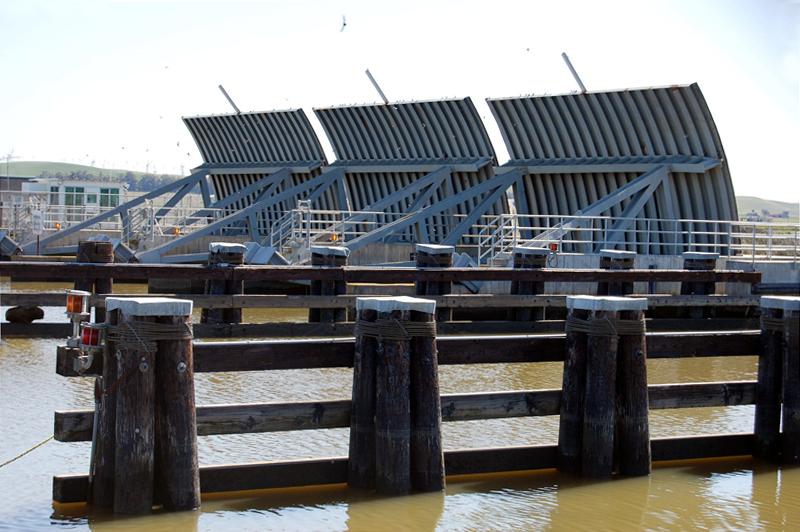 In 1978, the State Water Board
issued its first Water Quality Control Plan for the Delta and
Suisun Marsh, focused on
ensuring that salinity be managed to protect water quality for
both the health of the ecosystem and for farms and cities
dependent on the Delta’s water. Over time, the scope has expanded
to include other pollutants — and, more significantly, to address
the overall health of the Delta ecosystem, largely by maintaining
specific levels of flow through the Delta.
In 1978, the State Water Board
issued its first Water Quality Control Plan for the Delta and
Suisun Marsh, focused on
ensuring that salinity be managed to protect water quality for
both the health of the ecosystem and for farms and cities
dependent on the Delta’s water. Over time, the scope has expanded
to include other pollutants — and, more significantly, to address
the overall health of the Delta ecosystem, largely by maintaining
specific levels of flow through the Delta.
To maintain sufficiently low salinity in the Delta, the State Water Board limited the amount of water that could be diverted from the Delta watershed, primarily by the two biggest water projects there, the federal Central Valley Project (CVP) and State Water Project (SWP). The move spurred numerous legal challenges — and helped better define the Board’s regulatory power in the Delta. In 1986, an appellate court decision known as the Racanelli Decision, named for Presiding Justice John Racanelli who wrote the ruling, affirmed the State Water Board’s broad authority to establish water quality standards and to modify existing water rights permits — and cut water allocations back, if necessary — to achieve those standards. The appellate panel also found that the State Water Board “has the power and duty to provide water quality protection to the fish and wildlife that make up the delicate ecosystem within the Delta.” Ten years later, the Robie Decision, named for its author, Associate Justice Ron Robie, further affirmed the Board’s authority to enforce its regulatory power over water rights holders. In the years since, the State Water Board has updated the Water Quality Control Plan several times, making its regulations increasingly stringent.
In 1992, the Delta Protection Commission was created with a mandate to adaptively protect, maintain, and where possible, enhance and restore the overall quality of the Delta environment. It enforces the Land Use and Resource Management Plan for the Primary Zone — the Delta’s 500,000-acre core that encompasses waterways, levees and farms — and later gained the authority to review local land use decisions for legal consistency with the Delta Plan (see below).
In 1994, state and federal officials, along with water users and conservation organizations, agreed to the Bay-Delta Accord, which launched a cooperative state-federal planning effort called CALFED. In 2002, the California Bay-Delta Authority was established to oversee the program, and the federal and state governments would ultimately invest some $6 billion in it. The program eventually was disbanded amid criticism that it was too costly and that the Bay-Delta Authority lacked power to make hard decisions about the Delta. Yet its focus on rigorous science and an “adaptive management” approach — which allowed water managers to deal with changing environmental conditions and capitalize on the growing understanding of the Delta’s ecological dynamics — would carry forward into subsequent attempts to untangle the region’s many problems.
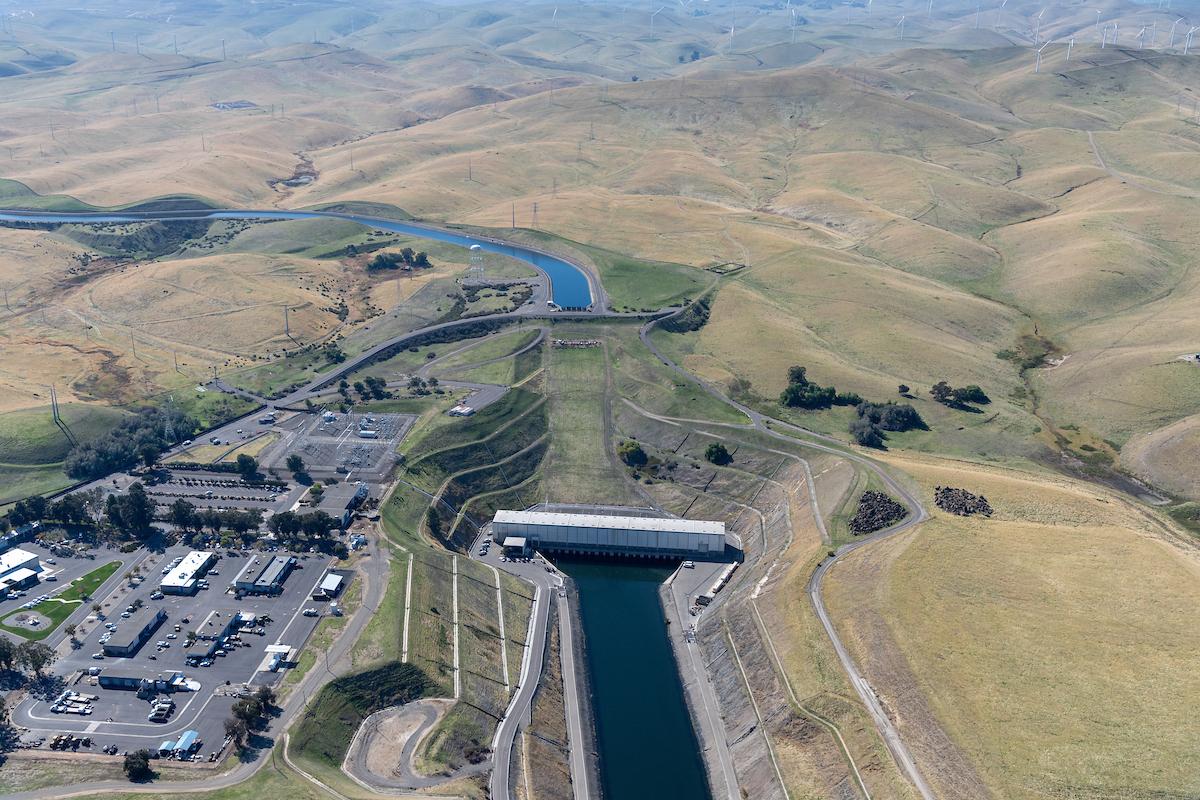 In 2007, amid a series of lawsuits
in federal court over the impact of Delta export pumping on
endangered species such as salmon and the Delta smelt, the state
tried a new approach. Gov. Arnold Schwarzenegger created the
Delta Vision Blue Ribbon Task Force and charged it with drafting
a sustainable management program for the Delta. That, in turn,
led to the landmark 2009 Delta Reform Act, a package of bills
that created new governance provisions and approaches for
addressing the most pressing water issues in the Delta.
In 2007, amid a series of lawsuits
in federal court over the impact of Delta export pumping on
endangered species such as salmon and the Delta smelt, the state
tried a new approach. Gov. Arnold Schwarzenegger created the
Delta Vision Blue Ribbon Task Force and charged it with drafting
a sustainable management program for the Delta. That, in turn,
led to the landmark 2009 Delta Reform Act, a package of bills
that created new governance provisions and approaches for
addressing the most pressing water issues in the Delta.
The legislation laid out a guiding pair of “coequal goals”: providing a more-reliable water supply for California and protecting, restoring and enhancing the Delta ecosystem. To do that, the act created an independent state agency called the Delta Stewardship Council as the successor to the Bay-Delta Authority and charged it with developing a comprehensive, long-term management plan for the region. The Delta Plan was adopted in 2013, and — although it was promptly met with a barrage of legal challenges that would take a decade to fully resolve — remains the primary framework for guiding the Delta into the future.
The seven-member Council consists of four members appointed by the governor, one each by the Senate and Assembly, and the seventh is the chair of the Delta Protection Commission. One of the Council’s top responsibilities is ensuring that any proposed actions in the Delta that could significantly affect water supply reliability, ecosystem health or flood control are consistent with the provisions of the Delta Plan.
In addition to the Council, the Delta Reform Act created the Sacramento-San Joaquin Delta Conservancy, which funds projects that would result in mutual benefits to the Delta’s ecosystem and economy. It also created the position of the Delta watermaster, an independent officer within the State Water Board who oversees the administration and enforcement of water rights within the Delta.
CONTROVERIES AND CHALLENGES
Three of the biggest regulatory controversies in the Delta center on the Bay-Delta Water Quality Control Plan, the impact of export pumping on endangered species, and the ever-evolving effort to build a canal or tunnel from the Sacramento River to the CVP and SWP export pumps in the South Delta.
In 2018, the State Water Board approved the first part of an updated Bay-Delta Water Quality Control Plan focused primarily on the major San Joaquin River tributaries that feed the Delta – the Merced, Tuolumne and Stanislaus rivers. It required that 30 percent to 50 percent of the “unimpaired flow” (the natural flow that would exist without dams or diversions) be maintained from February through June to improve conditions for native fish populations in those rivers and within the Delta ecosystem.
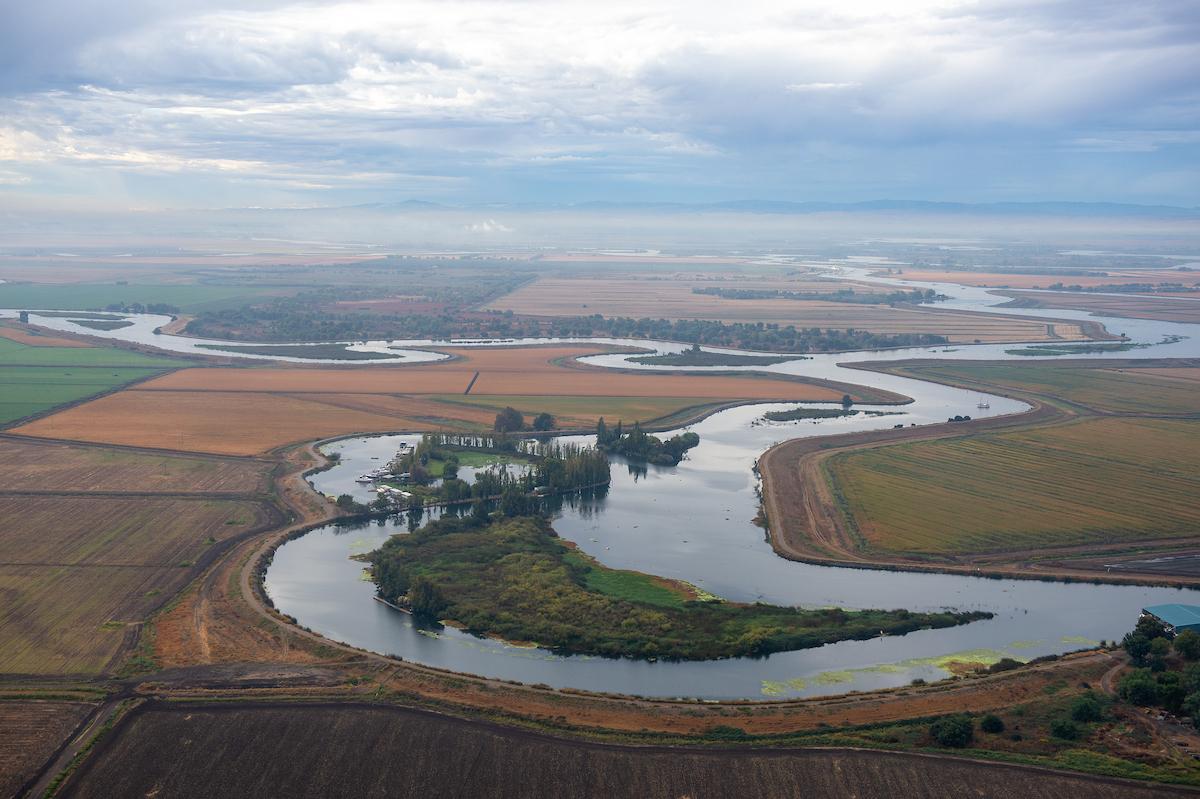 In the second part of the update
process, the Board is addressing revisions to the plan that cover
the Sacramento River and its tributaries, as well as the core of
the Delta itself. The major components include new flow
requirements for the tributaries to the Sacramento River and
Delta and associated Delta outflows, and new requirements for
cold water flows from reservoirs to maintain sufficiently cool
temperatures for fish downstream.
In the second part of the update
process, the Board is addressing revisions to the plan that cover
the Sacramento River and its tributaries, as well as the core of
the Delta itself. The major components include new flow
requirements for the tributaries to the Sacramento River and
Delta and associated Delta outflows, and new requirements for
cold water flows from reservoirs to maintain sufficiently cool
temperatures for fish downstream.
Concerned that the unimpaired flow requirements would be too stringent, water users began an effort to negotiate a set of “voluntary agreements” with state agencies that focus not just on flow but also on habitat and fish passage improvements to benefit the ecosystem. The voluntary agreements — now known as the Healthy Rivers and Landscapes Program — would provide an alternative pathway for meeting the environmental goals of the unimpaired flow requirement in the revised Water Quality Control Plan.
Water exports and their effect on the Delta ecosystem have been the subject of repeated court challenges over the years. In the most recent round of litigation, several conservation and fishing organizations are challenging an effort by the Trump administration to increase Delta export pumping by the Central Valley Project.
Another effort that has played into controversy surrounding the future of the Delta is the so-called Delta Conveyance Project, which was officially unveiled in 2019. Like the many tunnel proposals that came before it, the project has been met with challenges. DWR is working through a bevy of administrative and legal challenges in its efforts to secure permits for the project (see more below).
LOOKING AHEAD
The State Water Board held public hearings in 2026 on a draft update to the Bay-Delta Water Quality Control Plan that incorporates the voluntary agreements as a compliance alternative to its unimpaired flow requirement. Numerous environmental and fishing groups and tribes, concerned that they were not included in the negotiation of the voluntary agreements, have opposed the provisions of the new Water Quality Control Plan — meaning that the effort, like so many others before it, could likely wind up tangled in the courts.
The Department of Water Resources is also seeking approval from the State Water Board and the Delta Stewardship Council for various aspects of the Delta Conveyance Project. It is also trying to resolve the legal challenge of its ability to issue the revenue bonds needed to finance the project.
Updated May 2026.


