Find out what the Water Education Foundation is up to with
announcements about upcoming events, tours, new Western
Water articles on key water topics and more!
Sign up here to get announcements sent to
your inbox.
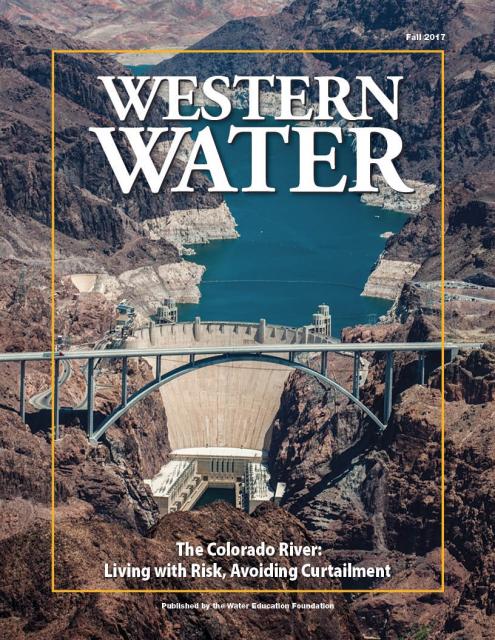
There is a sense of urgency regarding how the overallocated
Colorado River is managed amid looming shortages and a grim
climate change forecast.
People who have dealt with river management issues for decades
are girding for a heightened degree of activity that calls upon
years of trust and collaboration to compose a plan for equitably
sharing a vital resource.
Water is one of California’s most important resources. And since
1977 the Water Education Foundation has been helping
policymakers, teachers, journalists and the public gain a better
understanding of water in California – and the challenges the
state confronts as people weigh how water should be used,
especially in times of scarcity.
Fun, friendship, invaluable contacts, exposure to different
viewpoints, informative tours, core knowledge and a big-picture
view of California water. These are some of the things past Water
Leaders say they have gained from our yearlong program for early
or mid-career professionals.
Registration is now open for one of our most popular events -
Water
101, which for the first time will include an optional
daylong tour of the Sacramento-San Joaquin Delta to give
participants a close-up look at the hub of California’s water
system.
Water 101, to to be held Feb. 22 at McGeorge School of Law in
Sacramento, details the history, geography, legal and
political facets of water in California as well as hot topics
currently facing the state.
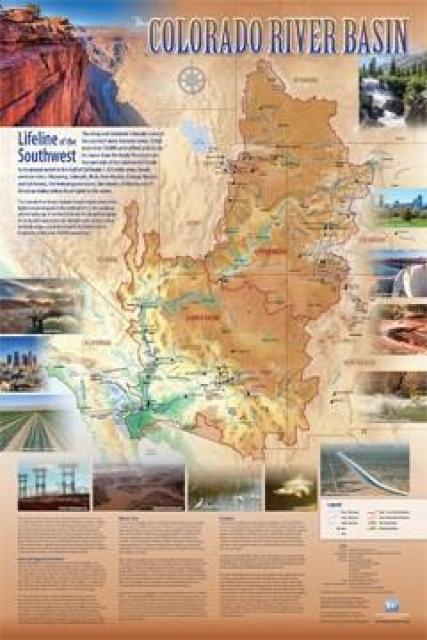
The Colorado River supplies water to nearly 40 million
people in Arizona, California, Colorado, Nevada, New Mexico,
Utah, Wyoming and stretches into Mexico.
Text on this beautiful, 24×36-inch map, which is suitable
for framing, explains the river’s apportionment, history and the
need to adapt its management for urban growth and expected
climate change impacts.
Our popular and widely celebrated water
tour program is offering six tours in 2018. Tickets are
now on sale.
In addition to our five annual tours below, we will be offering a
two-day Headwaters Tour in the Sierra Nevada Mountains. We
offered this tour in 2017 to great success and have received
requests to conduct it again.
The only thing predictable about California’s climate is its
unpredictability and variability.
Large parts of the state feature a Mediterranean climate with wet
winters and long, dry summers. The presence or absence of just a
few large storms in California can make the difference between an
above-average water year and a drought. Climate change threatens
California through more extreme events – hotter, longer droughts
and severe storms that strain the existing flood management
system.
One of our most popular events, Water
101 details the history, geography, legal and political
facets of water in California as well as hot topics currently
facing the state.
Taught by some of the leading policy and legal experts in the
state, the one-day workshop gives attendees a deeper
understanding of the state’s most precious natural resource.
Our yearlong Water Leaders program is aimed at providing a
deeper understanding of California water issues by
attending water tours, studying a topic in-depth and working with
a mentor.
You can apply for the 2018 class today; the deadline is Dec. 5.
Download an application here.
Our one-year Water Leaders program
gets you out of the office and into the field – whether it’s
on one of our water tours to the
Delta or the lower Colorado River, or meeting with your assigned
mentor.
Mentors play an important role in the program as they conduct a
shadow day with class members and help to shape ideas for the
class project on a key water
topic. The project is turned into a report with policy
recommendations that is presented to the Water Education
Foundation’s Board of Directors toward the end of the year.
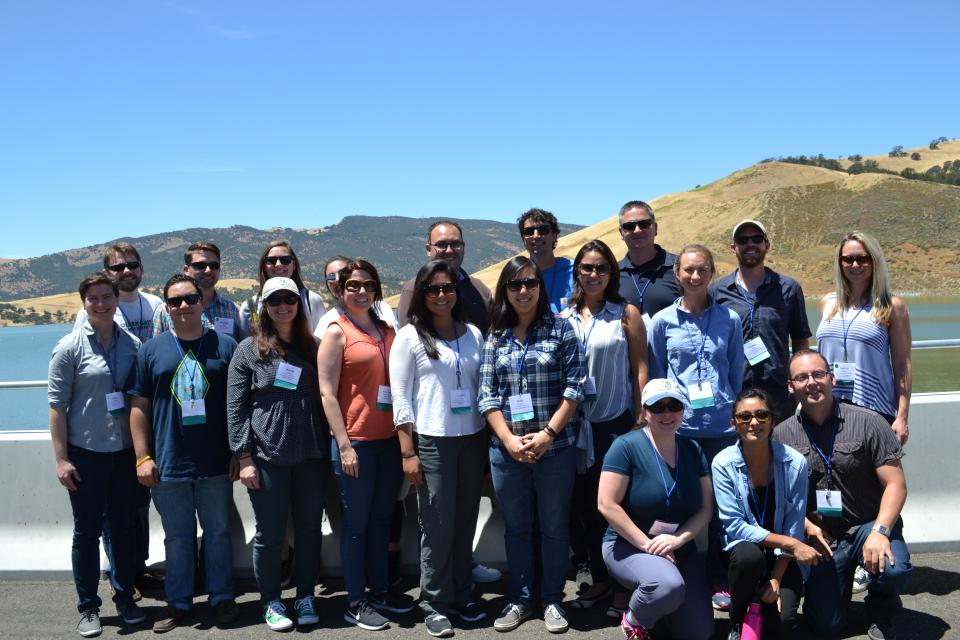
Members of our popular Water
Leaders program increase their knowledge of the state’s most
precious natural resource while creating fond memories spent
on water tours and at events with their classmates and
working on the team project.
The yearly class began at the Water Education Foundation in 1997.
Now, 20 years later we are hosting a Water Leaders reunion as
part of our 40th Anniversary
celebration Oct. 26 in Sacramento.
A few tickets are still available for our Nov. 1-2 San Joaquin River
Restoration Tour, a once-a-year educational opportunity to
see the program’s progress first-hand. The tour begins and ends
in Fresno with an overnight stay in Los Banos.
The Water Education Foundation opened its doors in 1977
when California was in the second year of a major drought, and it
quickly became a vital source of nonpartisan, in-depth
information about water resources in California and the West.
Over the years, the Foundation has provided a vast repertoire of
news, educational materials and programs designed to increase
awareness about water, including tours of key watersheds,
workshops, a quarterly magazine, Western Water, and
Project WET (Water Education for Teachers).
Applications are now being accepted for the 2018 William R.
Gianelli Water Leaders Class. The
one-year program fosters a deeper knowledge of water issues and
leadership skills.
Criteria for acceptance include a commitment to understanding
water issues and an interest in seeking leadership roles on
public boards and commissions, or key staff positions.
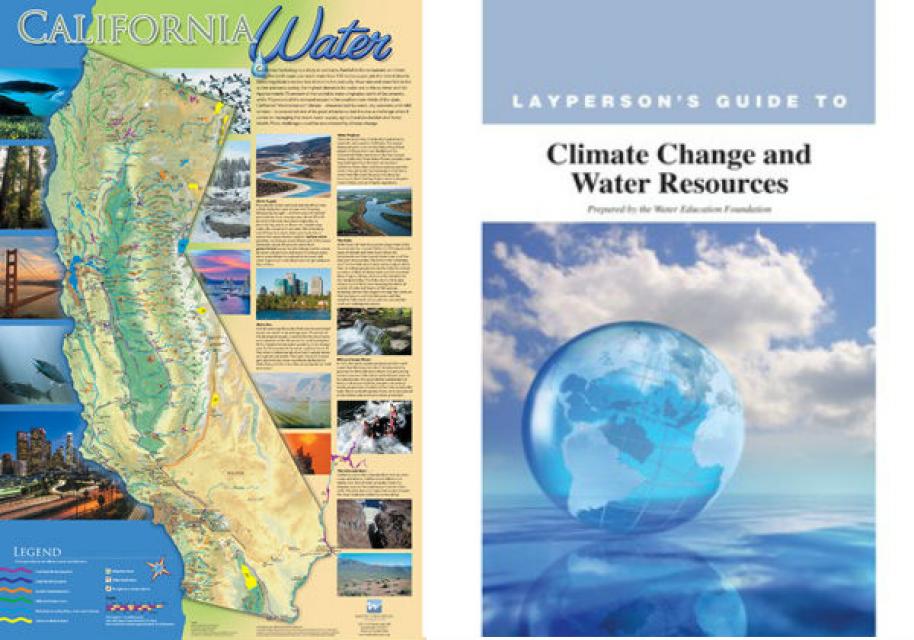
When the Water Education Foundation first produced
its iconic California water map in
1979, a side of beef donated by a rancher was raffled off at a
major water conference to help fund its creation. Today, the maps
are displayed at highway rest stops and offices up and down
the state.
The hot water topic back in 1982 was the Peripheral Canal.
When the Foundation first wrote about the proposal for
Western Water magazine, some 10,000 extra copies were
sold at 35 cents each.
Explore more than 100 miles of Central California’s longest river
while learning about one of the nation’s largest and costliest
river restorations. Our San Joaquin River
Restoration Tour on Nov. 1-2 will feature speakers from key
governmental agencies and stakeholder groups who will explain the
restoration program’s goals and progress.
The Sacramento and San Joaquin are the two major rivers in the
Central Valley that feed the Delta, the hub of
California’s water supply network.
Our last two water tours of 2017 will take in-depth looks at how
these rivers are managed and used for agriculture, cities and the
environment. You’ll see infrastructure, learn about efforts to
restore salmon runs and talk to people with expertise on these
rivers.