




WESTERN WATER-Subsidence From Groundwater Overdraft Risks Choking Off a Vital Water Artery for Central and Southern California
Read our Western Water Article, Water Word of the Day and Five Don't-Miss Water Reads from Across the West
Dear Western Water readers,
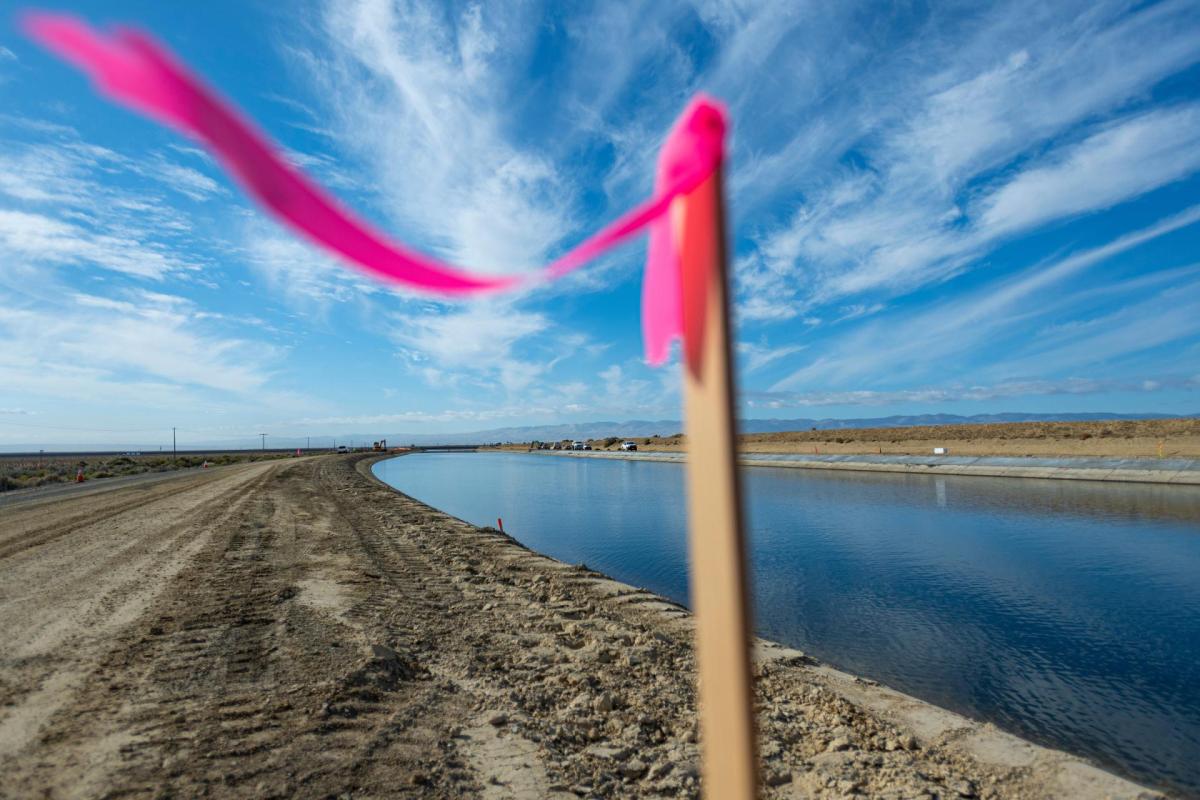 One of the major rationales for
building California’s two biggest surface water supply projects
was to provide a supplemental source of water from Northern
California so San Joaquin Valley farmers could reduce their
reliance on groundwater.
One of the major rationales for
building California’s two biggest surface water supply projects
was to provide a supplemental source of water from Northern
California so San Joaquin Valley farmers could reduce their
reliance on groundwater.
The idea didn’t work as planned. Today, subsidence and the resulting damage to water infrastructure along California’s State Water Project and its sister, the federally run Central Valley Project, is widespread throughout the San Joaquin Valley, complicating efforts to keep water flowing.
But the stakes are highest on the State Water Project’s California Aqueduct, where subsidence has caused a pinch in a part of the aqueduct that serves some 24 million people along the Central Coast and in Southern California and 1.5 million acres of farmland. That pinch in this crucial water artery is getting worse and could cause the aqueduct to lose nearly 90 percent of its capacity over the next 17 years and require nearly $4 billion to fix.
Restoring the California Aqueduct’s capacity to move water could be a costly and contentious effort. Read more about the effort to devise a fix in our latest Western Water article, available online now.
Five Don’t-Miss Articles from California and Across the West
Will the U.S. megadrought ever end?: Nikk Ogasa, writing for ScienceNews, takes a deep dive into a controversial new hypothesis that suggests the megadrought that has gripped the Colorado River Basin for a quarter century may not relent anytime soon and how that could affect communities that rely on the river’s water.
Here’s what California is learning from solar panels built over irrigation canals: Ella Jackson, writing for the San Francisco NPR station KQED, takes a look at what California is learning about evaporative water savings, water quality and solar power from an experiment to shade irrigation canals with solar panels.
A clean energy source is buried under the desert, but it takes water to use it: Austin Corona, writing for the online outlet Grist, examines how new geothermal start-ups eager to serve energy-hungry data centers are feverishly bidding for drilling sites across the arid West to tap the Earth’s heat for electrical power. But they face an ironic practical challenge: They need water.
Ninth Circuit sides with Nevada ranch over national park water rights: Alan Riquelmy, writing for Courthouse News Service, reports on a federal appellate court ruling that found a 1952 amendment stripped the federal government of its sovereign immunity in a northern Nevada ranch’s dispute over water rights for creeks that flow through a national park.
Heaven sent: Dry wells in rural Arizona force residents to rely on water haulers: George Headley, writing for Cronkite News, examines how rural residents near Prescott, Arizona, have come to depend on water haulers to meet their water needs as Prescott’s population growth and excessive groundwater pumping is depleting the aquifer beneath them and leaving their wells dry.
Western Water Word of the Day
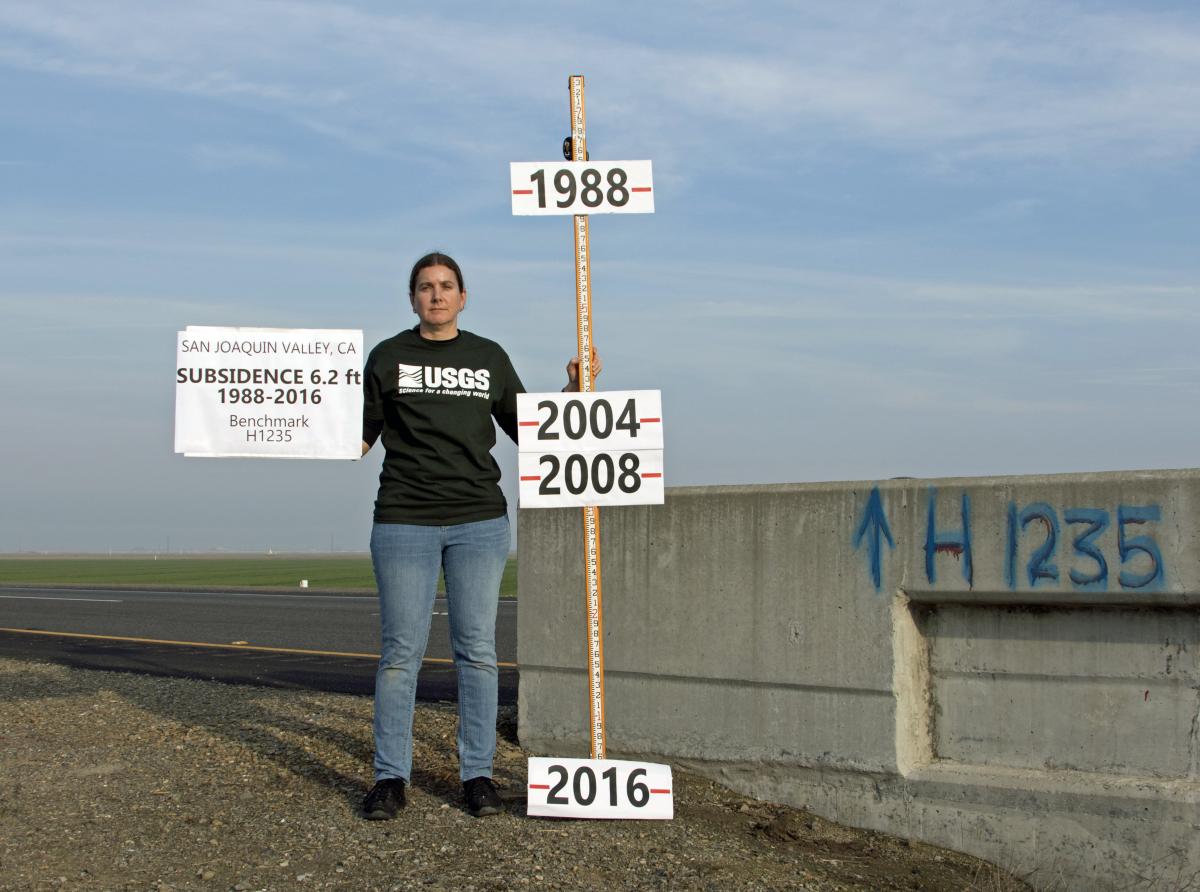 Land subsidence
is the lowering of the land-surface elevation due to changes that
take place underground. Throughout California, subsidence has
damaged aqueducts and canals, well casings, buildings, bridges
and highways. Common causes include pumping water, oil or gas,
dissolution of limestone aquifers known as sinkholes, drainage of
organic soils and initial wetting of dry soils, according to the
U.S. Geological Survey. As the land sinks, flooding problems are
aggravated. In all, subsidence has resulted in millions of
dollars in damage. Learn more about land subsidence and
other key water topics in Aquapedia, our water
encyclopedia.
Land subsidence
is the lowering of the land-surface elevation due to changes that
take place underground. Throughout California, subsidence has
damaged aqueducts and canals, well casings, buildings, bridges
and highways. Common causes include pumping water, oil or gas,
dissolution of limestone aquifers known as sinkholes, drainage of
organic soils and initial wetting of dry soils, according to the
U.S. Geological Survey. As the land sinks, flooding problems are
aggravated. In all, subsidence has resulted in millions of
dollars in damage. Learn more about land subsidence and
other key water topics in Aquapedia, our water
encyclopedia.
At the Foundation
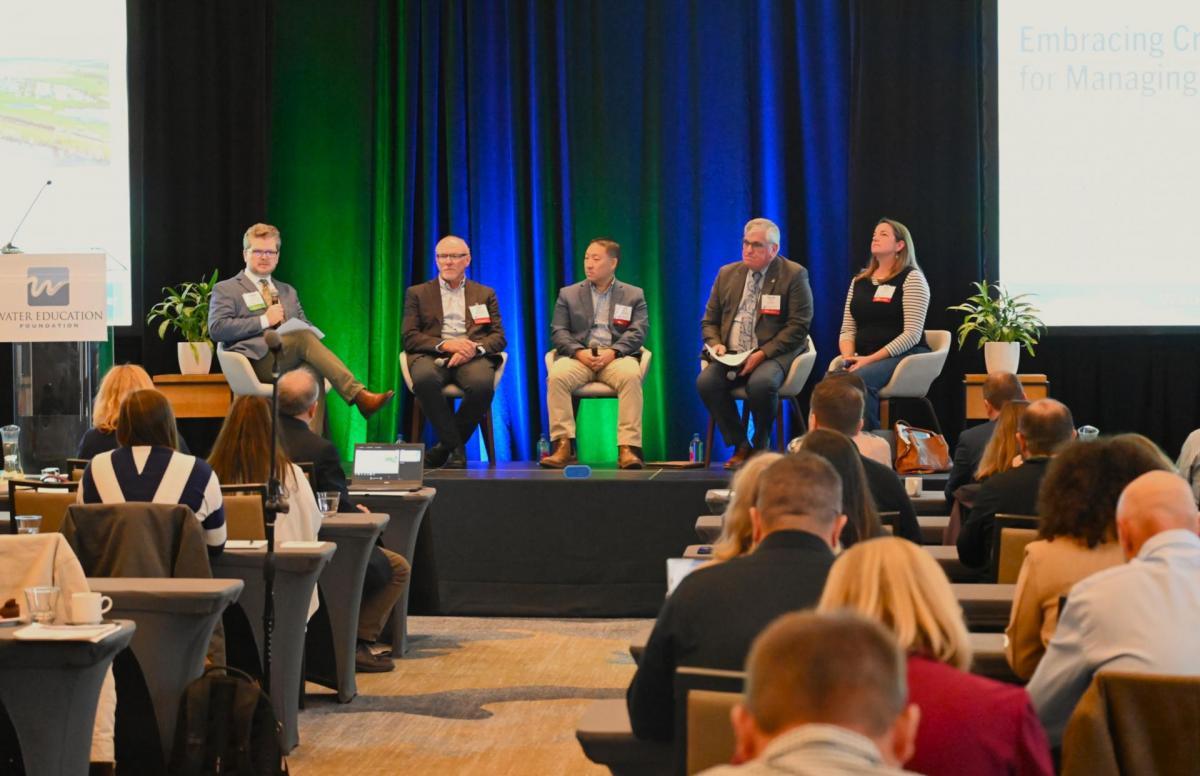 The Water
Summit, the Foundation’s premier event of the year
with leading policymakers and experts addressing critical water
issues in California and across the West, will be held
Thursday, Oct. 29, at The Sawyer Hotel in
downtown Sacramento. Conversations will revolve around this
year’s theme, Stewarding a New Era in Western Water,
with a focus on emerging topics related to the challenges and
opportunities facing water resource management. Now in its
42ⁿᵈ year, the Water Summit is an ideal event for water district
managers and board members, state and federal agency officials,
city and county government leaders, farmers, environmentalists,
attorneys, consultants, engineers, business executives and public
interest groups. To learn more and secure your seat, check out
the Water
Summit page.
The Water
Summit, the Foundation’s premier event of the year
with leading policymakers and experts addressing critical water
issues in California and across the West, will be held
Thursday, Oct. 29, at The Sawyer Hotel in
downtown Sacramento. Conversations will revolve around this
year’s theme, Stewarding a New Era in Western Water,
with a focus on emerging topics related to the challenges and
opportunities facing water resource management. Now in its
42ⁿᵈ year, the Water Summit is an ideal event for water district
managers and board members, state and federal agency officials,
city and county government leaders, farmers, environmentalists,
attorneys, consultants, engineers, business executives and public
interest groups. To learn more and secure your seat, check out
the Water
Summit page.
Western Water Resource
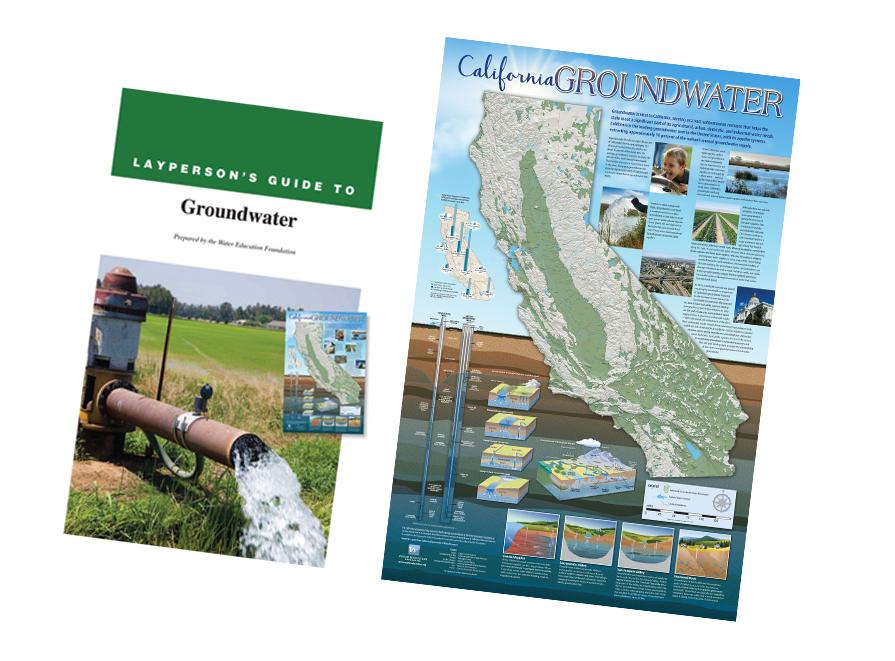 Groundwater Education
Bundle: Learn about the history of groundwater usage
in California with our California Groundwater
Map and Layperson’s Guide to
Groundwater. You can sharpen your knowledge of the
state’s aquifers and reservoirs and learn how surface water and
groundwater are connected. Order your Groundwater Education
Bundle today!
Groundwater Education
Bundle: Learn about the history of groundwater usage
in California with our California Groundwater
Map and Layperson’s Guide to
Groundwater. You can sharpen your knowledge of the
state’s aquifers and reservoirs and learn how surface water and
groundwater are connected. Order your Groundwater Education
Bundle today!


