Throughout the state, there are more than 100 active faults that
have produced earthquakes resulting in widespread damage and
deaths. In Southern California alone, since 1933, there have been
23 significant quakes of magnitude 5.9 or greater. The San
Andreas Fault, the major fault line running through California,
is expected to be the source for a major earthquake. It was the
source for the earthquake that leveled San Francisco in 1906.
Water infrastructure is vulnerable to earthquakes:
* In the Sacramento-San Joaquin Delta, man-made levees
dating back to 1850 are identified as at risk when a major
earthquake hits.
* The U.S. Geological Survey (USGS) estimates a magnitude
7.8 temblor on the southern portion of the San Andreas Fault will
cause major damage to infrastructure, including water lines and
dams.
A panel of experts in Southern California also has identified the
following risks as a result of a major earthquake:
* Likely major damage to the main aqueducts bringing water
to Southern California from Northern California and the Colorado
River. Repairs may be hampered due to damaged roads and
large-scale fires.
* In the following days after a major quake, there may be
no water available due to infrastructure breaks and loss of
power. After that, repairs will bring supplies online slowly.
Water districts and agencies have prepared earthquake
preparedness and emergency plans to address the emergency.
Also, groundwater basins will be used as emergency reservoirs to
make up the water shortages when imported supplies are
unavailable.
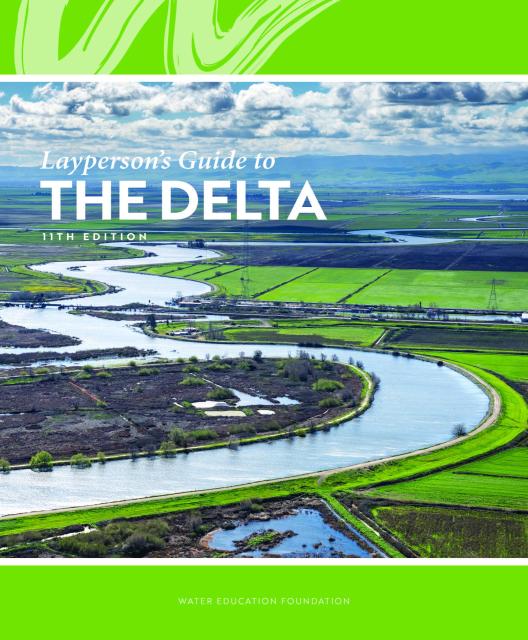
The 24-page Layperson’s Guide to the Delta explores the competing
uses and demands on California’s Sacramento-San Joaquin
Delta. The 11th edition examines this critical
water hub and its myriad challenges. The 2025 version
includes the latest information on the tunnel project, habitat
restoration efforts, climate change impacts and an updated
section on the legal and political facets of the Delta.
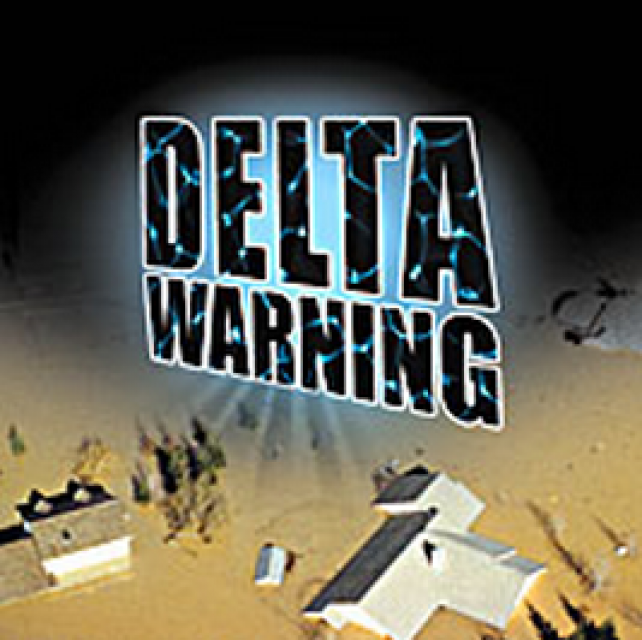
15-minute DVD that graphically portrays the potential disaster
should a major earthquake hit the Sacramento-San Joaquin Delta.
“Delta Warning” depicts what would happen in the event of an
earthquake registering 6.5 on the Richter scale: 30 levee breaks,
16 flooded islands and a 300 billion gallon intrusion of salt
water from the Bay – the “big gulp” – which would shut down the
State Water Project and Central Valley Project pumping plants.
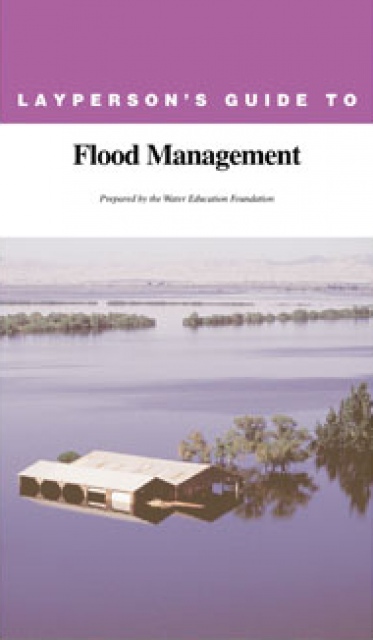
The 24-page Layperson’s Guide to Flood Management explains the
physical flood control system, including levees; discusses
previous flood events (including the 1997 flooding); explores
issues of floodplain management and development; provides an
overview of flood forecasting; and outlines ongoing flood control
projects.
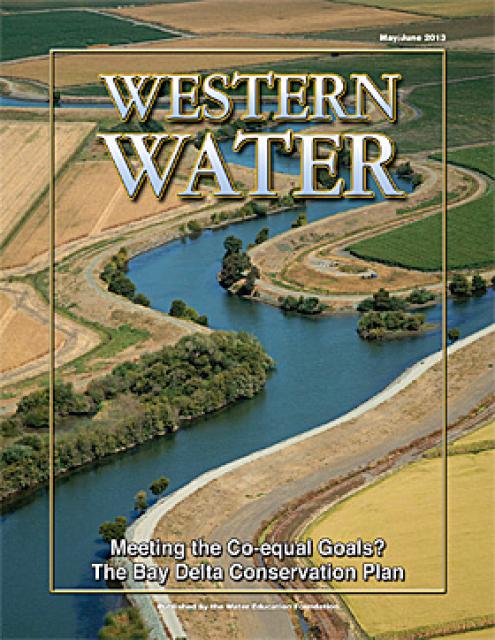
This issue of Western Water looks at the BDCP and the
Coalition to Support Delta Projects, issues that are aimed at
improving the health and safety of the Delta while solidifying
California’s long-term water supply reliability.