



Groundwater Adjudication
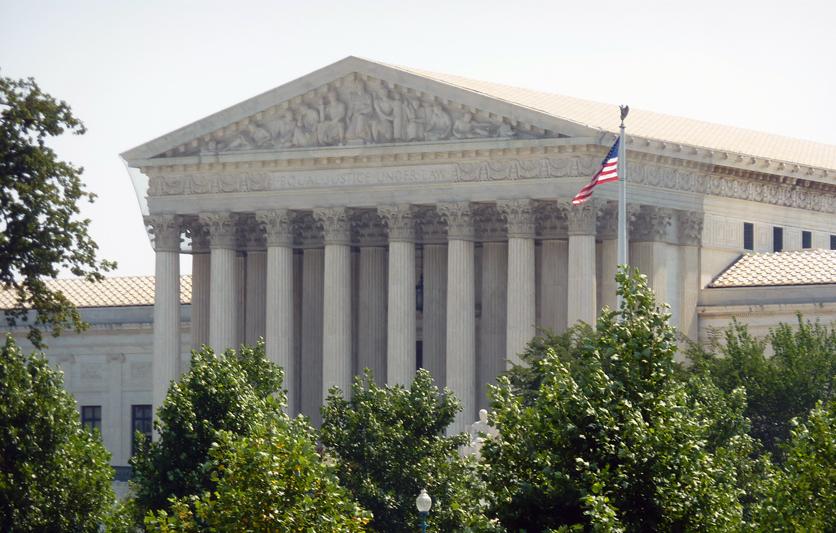
When multiple parties withdraw water from the same aquifer, groundwater pumpers can ask the court to adjudicate, or hear arguments for and against, to better define the rights that various entities have to use groundwater resources. This is known as groundwater adjudication. [See also California water rights and Groundwater Law.]
Through adjudication, the courts can assign specific water rights to water users and can compel the cooperation of those who might otherwise refuse to limit their pumping of groundwater. Watermasters are typically appointed by the court to ensure that pumping conforms to the limits defined by the adjudication.
Through this process, the courts have adjudicated 31 basins in California, mostly in Southern California. The Scott River system, near the Oregon border, was adjudicated to help resolve a surface water controversy. The Seaside Basin, near the Monterey Peninsula, was adjudicated after annual pumping was in excess of safe yield and posed a risk for seawater intrusion. Most of the remaining adjudications have been in Southern California, where development pressures quickly overwhelmed limited aquifers.
The adjudications are: Antelope Valley (2015), Beaumont Basin (2004), Brite Basin (1970), Central Basin (1965), Chino Basin (1978), Cucamonga Basin (1978), Cummings Basin (1972), Goleta Basin (1989), Hemet-San Jacinto Basin (2013), Inyo County Basins (1991), Los Osos Basin (2015), Lytle Basin (1924), Main San Gabriel Basin (1968), Mojave Basin Area (1996), Nipomo Mesa Management Area (2014), Northern Cities Management Area (2015), Puente Basin (1987), Raymond Basin (1944), Rialto-Colton Basin (1961), Riverside Basin (1969), Santa Margarita River Watershed (1966), Santa Maria Valley Basin (2008), Santa Paula Basin (1996), Scott River Stream System (1980), Seaside Basin (2006), Six Basins (1998), Tehachapi Basin (1971), Upper Los Angeles River Area (1979), Warren Valley Basin (1997), West Coast Basin (1961) and Western San Bernardino (1969).
Updated January 2026