


The Frozen Reservoir: Teaching California’s 2026 Snow Drought with Project WET
California Project WET Gazette - Spring 2026
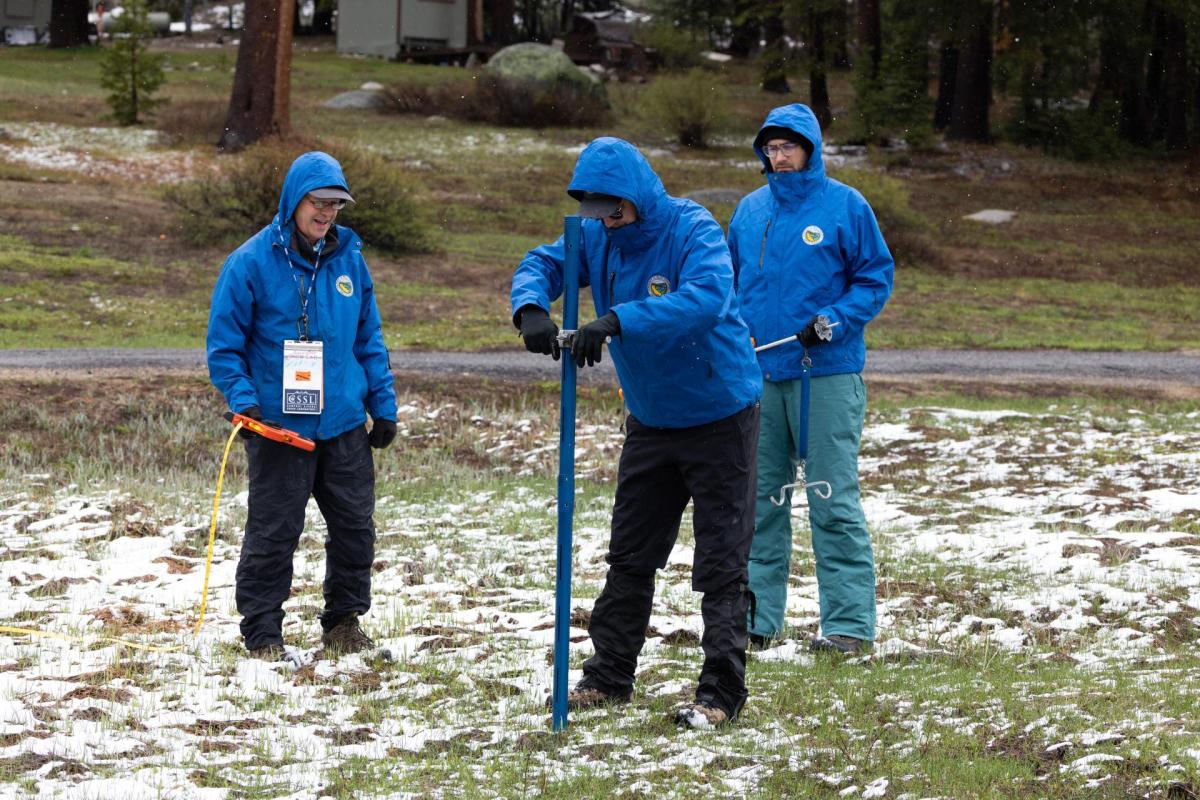 As California faces unseasonably warm temperatures and sparse mountain snowfall this spring, educators are looking for ways to translate complex hydrological data into tangible lessons for their students. Project WET offers a timely solution through its activity Snow Me the Water in the Water in Earth Systems guide (or Snow and Tell in Guides 1.0 & 2.0), which provides a hands-on framework to explore how snowpack serves as the state’s most critical “frozen reservoir.”
The Crisis: California’s Disappearing Snowpack
As of the April 2026 survey, the California Department of Water Resources (DWR) reported a statewide snowpack that has effectively vanished, plummeting to just 18% of the historical average for April 1. A record-hot and dry March, combined with high-elevation rain, completely wiped out the snowpack at the critical Phillips Station survey site, which now holds no measurable snow. This rapid decline, which began weeks ahead of schedule, marks the second-lowest April snowpack on record for the state.
For students, these numbers can feel abstract. This is where Project WET’s curriculum bridges the gap between a news headline and a scientific reality.
Using “Snow Me the Water” to Teach the Impact
The Snow Me the Water activity allows students to investigate the factors that influence how snow melts and how that timing affects our water supply.
- Modeling the Frozen Reservoir: Students use snow (or crushed ice) to measure Snow Water Equivalent (SWE) learning that even when mountains look white, the actual water content can sometimes still be dangerously low.
- Simulating the Heat Wave: Using heat lamps or hair dryers, students simulate the record-breaking March 2026 temperatures, visualizing why a sunny spring week can wipe out weeks of accumulated snow.
Expanding the Lesson: Runoff and the Water Cycle
To help students see the big picture of how snow drought affects the entire year, Snow Me the Water can be paired with other powerful Project WET activities:
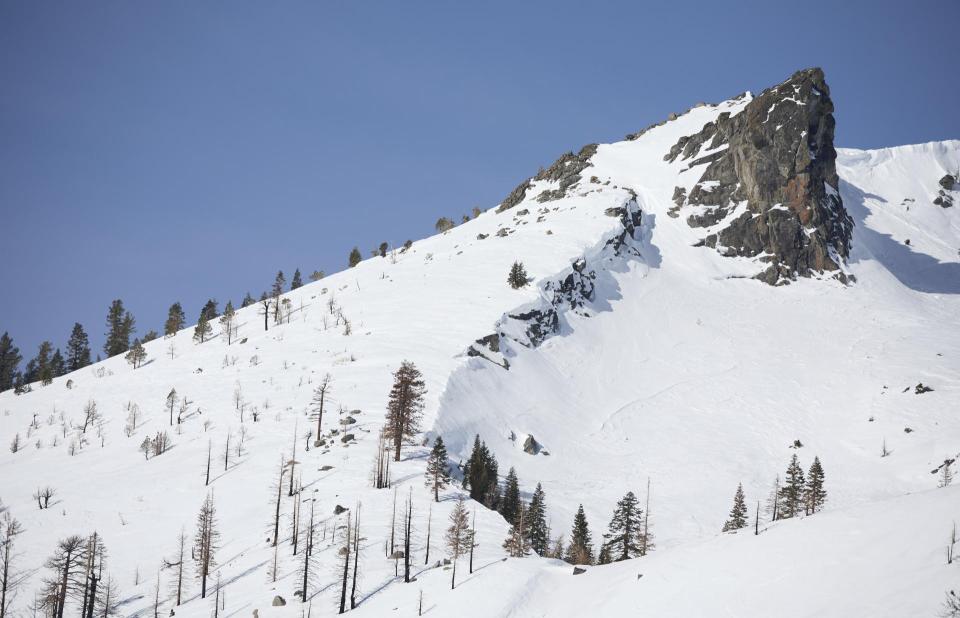 Blue River: This activity allows students to simulate a river system over the course of a year. By combining it with Snow Me the Water, teachers can demonstrate how an early or low snowmelt impacts river flows later in the summer. Students see how the lack of slow release water from the mountains can lead to dry riverbeds during the hottest months.
-
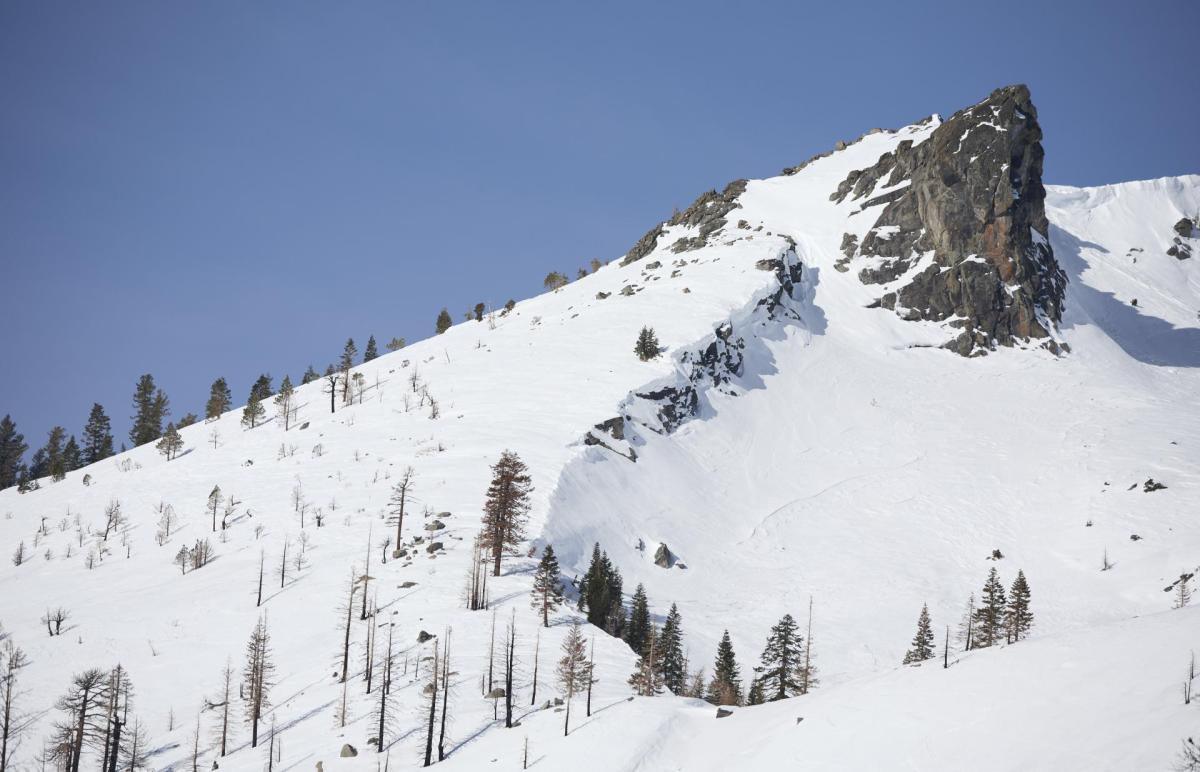
The Incredible Journey: Students become water molecules, modeling how a single drop travels from the snowpack into rivers, the ocean or deep into the ground. This helps them understand that mountain snow is not just a local feature — it is the starting point for a journey that sustains the entire state’s water cycle.
Beyond the Activity: Additional Resources
To connect classroom models to real-world infrastructure and data, there are some great free resources out there to bring into your lessons:
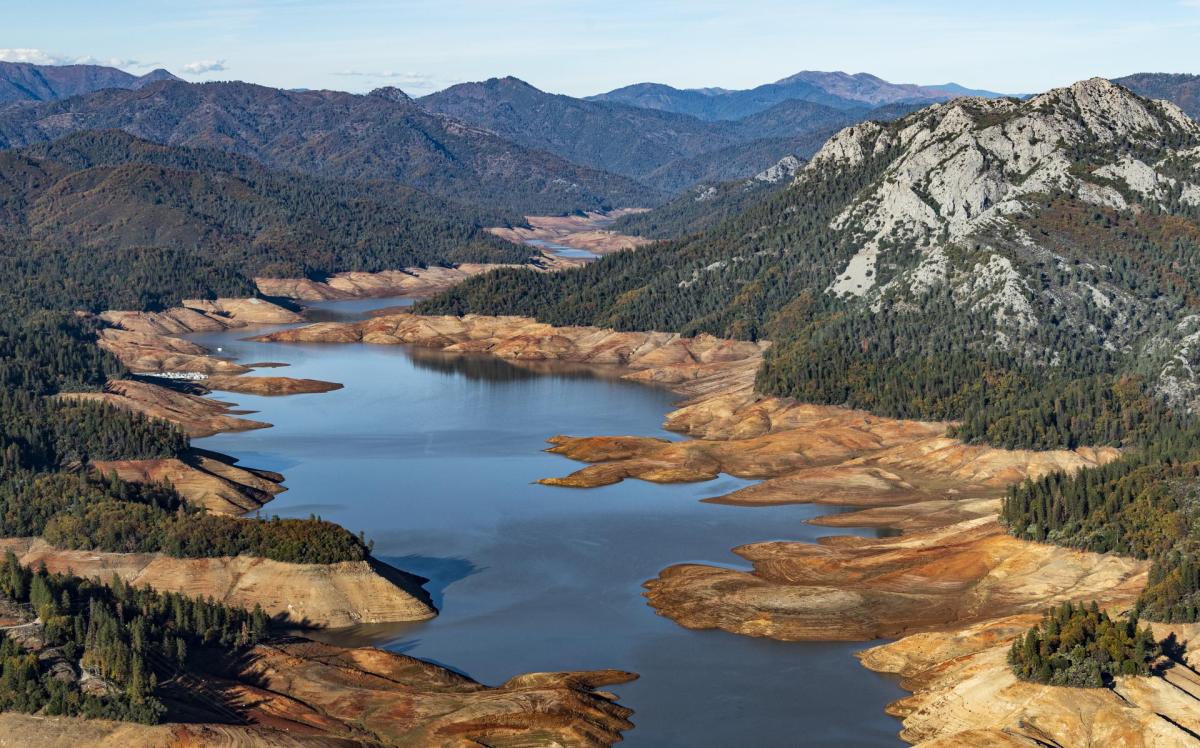
- Aquafornia: A daily feed where students can track news about the current 2026 snow levels and reservoir updates.
- Aquapedia: The Foundation’s online encyclopedia for researching terms such as the State Water Project or learning about the importance of the Sierra Nevada to statewide water supply.
SNOTEL (Snow Telemetry): Teachers can expose students to real-time data from automated SNOTEL stations. These interactive graphs show current snow water equivalents at specific Sierra Nevada sites, allowing students to compare their classroom findings with actual field data.
USGS Snow and Climate Monitoring: Alongside state and Natural Resources Conservation Service data, the U.S. Geological Survey (USGS) plays a key role in tracking and sharing snowpack and streamflow information across the West. Through its network of satellite observations, stream gauges and ground-based measurements, USGS provides continuous updates on how snowpack conditions influence river flow, groundwater recharge and drought risk. Educators and students can explore the USGS National Water Dashboard to visualize current snowmelt and runoff patterns, connecting their classroom experiments to live hydrologic data across California and neighboring states.
Why It Matters: The “New Normal”
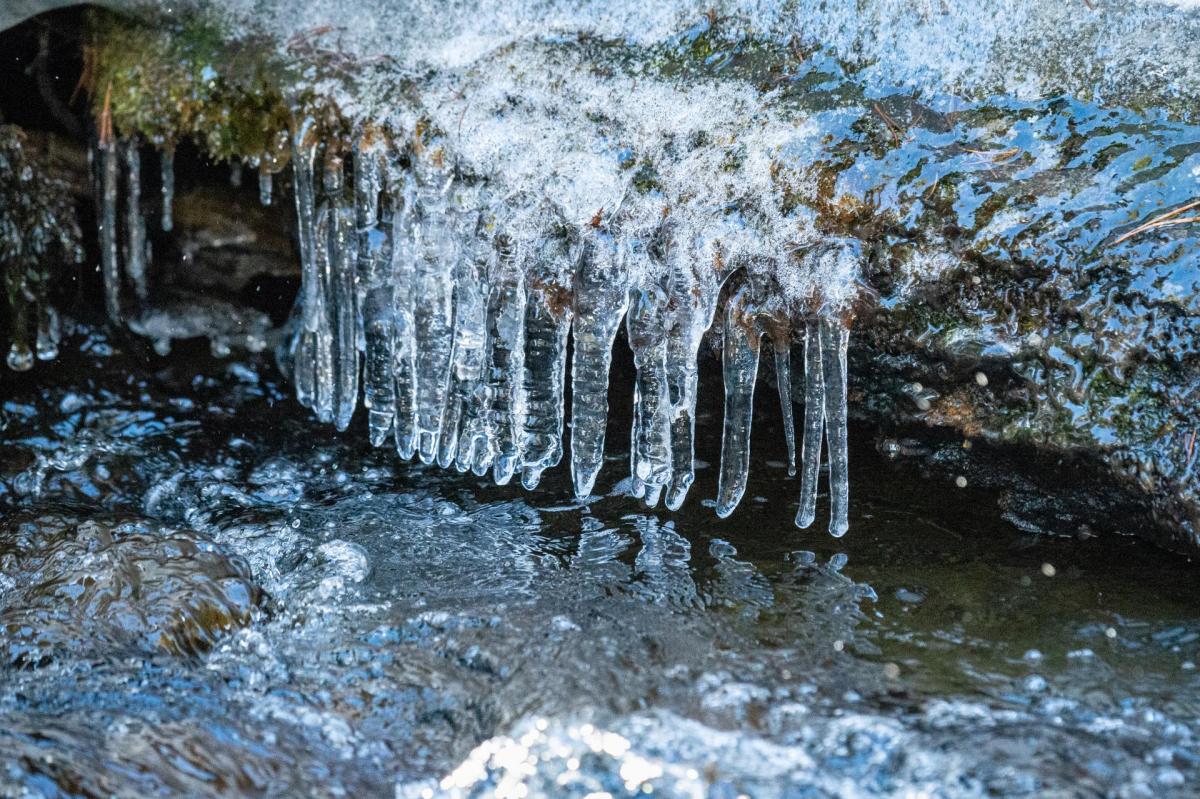 By participating in these activities, students move beyond the “what” and into the “so what.” They begin to understand that a low snow year means lower reservoirs, stressed ecosystems and increased fire risk. As DWR Director Karla Nemeth notes, the historical pattern of snow melting from April through July is shifting. Project WET and the Water Education Foundation work to empower the next generation to understand these shifts and advocate for a more resilient water future.
Check out the Websites of Interest section below for links to resources and articles related to snow water equivalent and water resource monitoring in California; review the Professional Development Opportunities for upcoming workshops and summer institutes to learn about an array of water topics and water management challenges within our state; find Spring Events you can tie to your Project WET activities – or to simply enjoy – plus a roster of Grants, Scholarships & Awards and Student Contests available in 2026!
All images courtesy of California DWR’s Pixel site and are free for all to use.
WEBSITES OF INTEREST
U.S. Geological Survey: Current Snow Depth
As the Nation’s largest water, earth and biological science and civilian mapping agency, the USGS collects, monitors, analyzes and provides scientific understanding about natural resource conditions, issues and problems. The diversity of our scientific expertise enables us to carry out large-scale, multi-disciplinary investigations and provide impartial, timely and relevant scientific information to resource managers, planners and other customers related to: the health of our ecosystems and environment; natural hazards that threaten us; natural resources we rely on, and; the impact of climate and land-use changes.
California Department of Water Resources: Snow Surveys
Established in 1929 by the California Legislature, the California Cooperative Snow Surveys (CCSS) program is a partnership of more than 50 state, federal, and private agencies. The cooperating agencies not only share a pool of expert staff but share in funding the program, which collects, analyzes and disseminates snow data from more than 265 snow courses and 130 snow sensors located throughout the Sierra Nevada and Shasta-Trinity mountains.
California Data Exchange Center: Snow Water Equivalents
Explore real-time data on snow water equivalents in California in the interactive tool from CDEC and California Department of Water Resources.
SNOTEL: Snow Survey and Water Supply Forecasting
NRCS hydrologists manage a comprehensive network of manually-measured snow courses and automated Snow Telemetry (SNOTEL) monitoring sites throughout the West, manage the data collection process, and estimate the runoff that will occur when it melts.
Cal-Adapt delivers critical climate data and cutting-edge tools to empower communities, researchers, and decision-makers to take action now. As climate impacts intensify, we provide the insights needed to adapt, build resilience, and drive urgent solutions for a sustainable future.
CalMatters: Record heat, melting snow; what does it mean for California’s reservoirs?
A record-baking heat wave is scalding California, with major consequences for the state’s most important reservoir: its snowpack. Providing about a third of the state’s water supply, the Sierra Nevada snowpack is a vital source of spring and summer runoff that refills reservoirs when the state needs the water most. But a warm wet storm followed February’s snow, and now, March temperatures are shattering records — prompting warnings of rapid snowmelt and swift rivers.
The Weather Channel: Historic March Heat Wave Smashed US And Monthly Records In Over 180 Cities
The most prolific March heat wave in at least 14 years smashed monthly records in over 180 cities from the Southwest to the Plains and East, may have set new statewide March records in 17 states, and obliterated a national March heat record that stood for over 70 years.
Yale Climate Connections: Record-torching March heat ‘virtually impossible’ without climate change
Multiple all-time March heat records crumpled on Wednesday and Thursday, March 18-19, as one of the most extreme weather events in world history blitzed the Southwest U.S. and far northwest Mexico with unprecedented March heat. Many locations have been hit with their earliest 100-degree-Fahrenheit weather on record, smashing all-time March and even April records, and temperatures are expected to soar even higher in some areas Friday and Saturday as the heat crescendoes.
California Department of Water Resources: Education
We offer a variety of free educational materials including worksheets, activity books, posters, videos, and curriculum guides to classroom teachers, homeschoolers, scout groups, afterschool programs, and other non-formal educators. Many materials are available both in hard copy and electronically. Teachers from the same school are encouraged to combine orders to save on shipping and handling.
U.S. Geological Survey: Water Science School
The Water Science School offers educational resources for all who wish to learn about water. Instructors and students may find useful content to aid in their quest to discover all there is to know about our most precious resource, water. Browse thousands of ideas for using these resources in elementary, secondary, university and informal education settings and loaded with great materials for use with multiple Project WET activities!
PROFESSIONAL DEVELOPMENT OPPORTUNITIES
California Project WET Workshops
Join us this spring and summer for workshops on water resources. Keep checking our Events Calendar for more to come.
California Water Institute for Teachers
Each institute is a multi-day professional development experience for K-12 educators focusing on the water resources serving the local area of the institute while providing teachers with greater knowledge and tools to engage students in developing their environmental literacy about the places where they live. Participants will receive Project WET training and opportunities to earn continuing education credit and a stipend.
Butte County | 6/25-6/26
Sacramento County | 7/21-7/23
Solano County | 7/29-7/31
Forestry Institute for Teachers
Registration is open for the Forestry Institute for Teachers (FIT) 2026 summer sessions! At FIT, cohorts of educators work alongside natural resource professionals and credentialed instructors to explore the complexities of stewarding our forest ecosystems for current and future generations. PreK-12 educators of all subject matters and teaching settings are encouraged to participate.
The registration fee covers food, lodging and teaching materials. Participants receive 50 hours of interdisciplinary instruction aligned with state teaching standards, certification in Project WET and Learning Tree – and upon program completion become eligible for a stipend, 3 Continuing Education Units (CEUs) and future specialized FIT professional learning opportunities!
El Dorado County | June 14-20
Tuolumne County | June 22-28
Humboldt County | July 11-17
Shasta County | July 19-25
Climate Change & California Water
These specialized Project WET workshops provide an opportunity for educators to interact with climate experts for a day of learning about the basics of climate science, how the science is being applied to safeguard California water resources – and how Project WET activities can help integrate climate science concepts and skills back in the classroom. Join us in Humboldt county on October 3 in partnership with the Yurok tribe at their headquarters in Klamath.
California Project WILD Workshops
Project WILD is a wildlife-based conservation and environmental education program that fosters responsible actions toward wildlife and related natural resources. Project WILD activity guides provide curriculum specially designed for educators of kindergarten through high school youth.
California Project Learning Tree Workshops
Project Learning Tree uses trees and forests as windows on the world to increase students’ understanding of the environment and actions they can take to conserve it. Project Learning Tree® (PLT) is an initiative of the Sustainable Forestry Initiative. Click above to check-out other upcoming events!
The Forestry Challenge is an academic event for high school students in technical forestry and current forestry topics. Participants spend four days in the forest learning about the ecology and management of the forested landscapes that provide communities with water, recreational opportunities, wood products, and wildlife habitat. Fall 2025 Pre-registration – Now Open!
Wild Wonder Foundation Nature Journaling Educators Workshop
Join John Muir Laws—award-winning author, educator, scientist, leading innovator in the global nature journaling movement, and co-author of How to Teach Nature Journaling—along with other experienced educators for a fun, informative, and empowering online workshop for nature journaling educators. You will come away from this workshop inspired with best practices and practical tools for teaching nature journaling, and you will be prepared to put them into practice with your students.
California Environmental Education Interagency Network
The CEEIN partnership is a consortium of environmental educators representing state departments and partner organizations. Educators can find a variety of workshops and other participatory opportunities on our online events calendar to increase their environmental literacy on California natural resource topics and issues.
Life Lab is a national leader in garden-based learning. Through innovative training and award-winning curriculum, Life Lab has equipped tens of thousands of educators nationwide to engage students in vibrant, outdoor garden classrooms. At the Garden Classroom educational center in Santa Cruz, Life Lab fosters experiential learning through field trips, summer camps, internships and professional development events.
Outdoor Learning School offers a variety of workshops and professional development opportunities. Many of their events are free and offer a prize drawing for attendees! All Virtual Workshops are 60 minutes and will take place at 4pm Pacific / 7pm Eastern and all attendees will receive a Certificate of Attendance.
UPCOMING EVENTS
Apr. 30: Math and Art in the Garden Workshop
In this interactive Life Lab workshop, participants will engage in sample activities from the book Math in the Garden and explore how visual arts can deepen mathematical thinking. Together, we’ll uncover how the natural patterns, structures, and designs found in plants and landscapes can bring math concepts to life for students of all ages.
May 1-3: AEOE Statewide Conference
Join us for a weekend of learning, networking, and fun at SCICON Outdoor School in Tulare County, the gateway to Sequoia & Kings Canyon National Parks! Located at an elevation of 2,000 feet, SCICON consists of 1,100-acres of oaks, wildlife, streams, and solitude, all of which are available to support your mental wellness as a conference participant.
May 1 – 31: California Water Awareness Month
As we head into the dry summer months in California, the month of May is a time to show our appreciation for the water that fuels our economy and sustains our ecosystems. Rain or shine, Californians always need to use their water wisely. Conservation is a way of life.
May 7: Big Day of Giving
Big Day of Giving, a 24-hour online fundraising giving challenge. Your gift can help us train more Project WET facilitators and expand our workshops to educators throughout California. You can learn more at our Big Day of Giving page. Thank you for being part of the Project WET community!
May 30: World Fish Migration Day
Come join us at the Cosumnes River Preserve to celebrate World Migratory Fish Day! Dive into the world of fish and learn about their incredible journeys. Discover the importance of preserving their habitats and the role they play in our ecosystem. This in-person event is perfect for nature lovers of all ages. Don’t miss out on this fin-tastic opportunity to connect with nature!
June 1-30: World Ocean Day Month of Action
World Ocean Day is much more than a day. It’s a mindset and a fast-growing global movement co-led with youth. In order to help emphasize this 365-day celebration of our shared ocean, we wanted to make it easy for you to help. Learn more about the 12 Months of Action by clicking the link above.
July 14-16: SEED Summer Institute
Join educators and regional experts July 14–16 for a hands-on exploration of land subsidence, groundwater recharge, and the history and future of Pa’ashi (Tulare Lake). Participants will build watershed and aquifer models, visit local water management sites, and collaborate on climate-friendly solutions designed for the Central Valley.
October 9-11: UC Environmental Stewards Statewide Conference
The 2026 University of California Environmental Stewards Conference will take place in Santa Barbara, on the beautiful campus of UC Santa Barbara. Engaging presentations, hands-on workshops and field trips will highlight local natural history, culture and the environment, with a focus on climate change and climate resilience work in California and participatory science, equity, inclusion and justice in conservation efforts.
SCHOOL GRANTS & AWARDS
California has created innovative access programs for children and families to explore California’s State Park System. With the new California State Park Adventure and State Library Parks pass programs and a revamped Golden Bear Pass Program, California is promoting a healthier, more equitable California for all.
The Water Smart Grant is a grants program open to 4th -6th grade teachers conducting classroom projects focused on caring for water. Classrooms must be part of a school in a Cal Water service area. Teachers may apply for a $250 grant, explaining their proposed project, and are notified within 30 days of their grant status. While funds last!
Spark Good Local Grants Program: Due April 15 or July 15
Walmart believes that investing in local communities strengthens our business as well as the communities we serve. Walmart U.S. stores, Sam’s Clubs and Distribution Centers award local cash grants ranging from $250 to $5000 to support local organizations that meet the unique needs of the communities where we operate.
Toshiba America Foundation Grant 6-12: dates vary
Do you teach in a middle and high school classroom and have an innovative idea for improving STEM (Science, technology, engineering and math) learning in your classroom with measurable outcomes? Sixth to 12th-grade teachers are invited to apply online for a Toshiba America Foundation grant of up to $5,000 to help bring an innovative project into their classroom.
Tree & Water Conservation Rebates
Thinking about starting a turf replacement project? If you live withing the Metropolitan Water District’s service area, you can receive a $100 rebate per tree for up to five trees planted while you replace your grass with a beautiful California Friendly® landscape!
California Climate Investments Program
California Climate Investments programs are continuing to direct billions of dollars into our State’s transition to a low‑carbon and more equitable future. Explore our website to learn about available funding opportunities for schools, universities, non-profits, tribal governments, land conservancies, farmers, businesses and individuals!
STUDENT CONTESTS
Empowering Student-led Environmental Solutions: Due Apr. 19
High school juniors and seniors participating in our Education Program are eligible for a $5,000 to $20,000 scholarship should they choose to apply sustainability to their academic and professional future.
The Walking Softer scholarship aims to support Education Program participants in their pursuit of furthering their sustainability efforts at a 2-year, 4-year, or vocational school. There are no specific major requirements, but students should have the desire to apply sustainability in whatever path they choose and to progress toward equitable and just environmental solutions.
California Youth Climate Policy Leadership Program: Due Apr. 30
The California Youth Climate Policy (CYCP) Leadership Program, is a joint program of the Sierra Club, Ten Strands, and UndauntedK12. After three successful cohorts, where passionate young leaders ignited change within their communities, we are eager to continue nurturing the next generation of climate advocates. The goal of this program is to reach students state-wide and give them the tools they need to catalyze real action for the climate in their districts and schools.
Key Dates:
- Applications due April 30th.
- Applicants will hear back in mid – June.
- Program runs July 2026 – January 2027.
Climate Video Challenge: Due May 28
Climate change is impacting communities in California and across the globe. What are your feelings towards climate change? How can those feelings be turned into action? The California Coastal Commission invites California middle and high schoolers to answer these questions in a podcast, photo essay, or narrative essay.
CREDITS
California Project WET Gazette is published by the Water Education Foundation, which serves as the state coordinator and host institution for Project WET USA, a program of the Project WET Foundation
This material is based upon work supported by the U.S. Geological Survey under Cooperative Agreement # G25AC00438. The views and conclusions contained in this document are those of the authors and should not be interpreted as representing the opinions or policies of the U.S. Geological Survey. Mention of trade names or commercial products does not constitute their endorsement by the U.S. Geological Survey.
Editor: Nic Russo, Programs Manager/California Project WET Coordinator
Water Education Foundation
2151 River Plaza Drive, Suite 205
Sacramento, CA 95833
916.444.6240
Internet: www.watereducation.org
email: nrusso@watereducation.org