




New Layperson’s Guide to California Water Hot Off The Press!
Just a Few Seats Left for Central Valley Tour; Read Our Latest Western Water Article
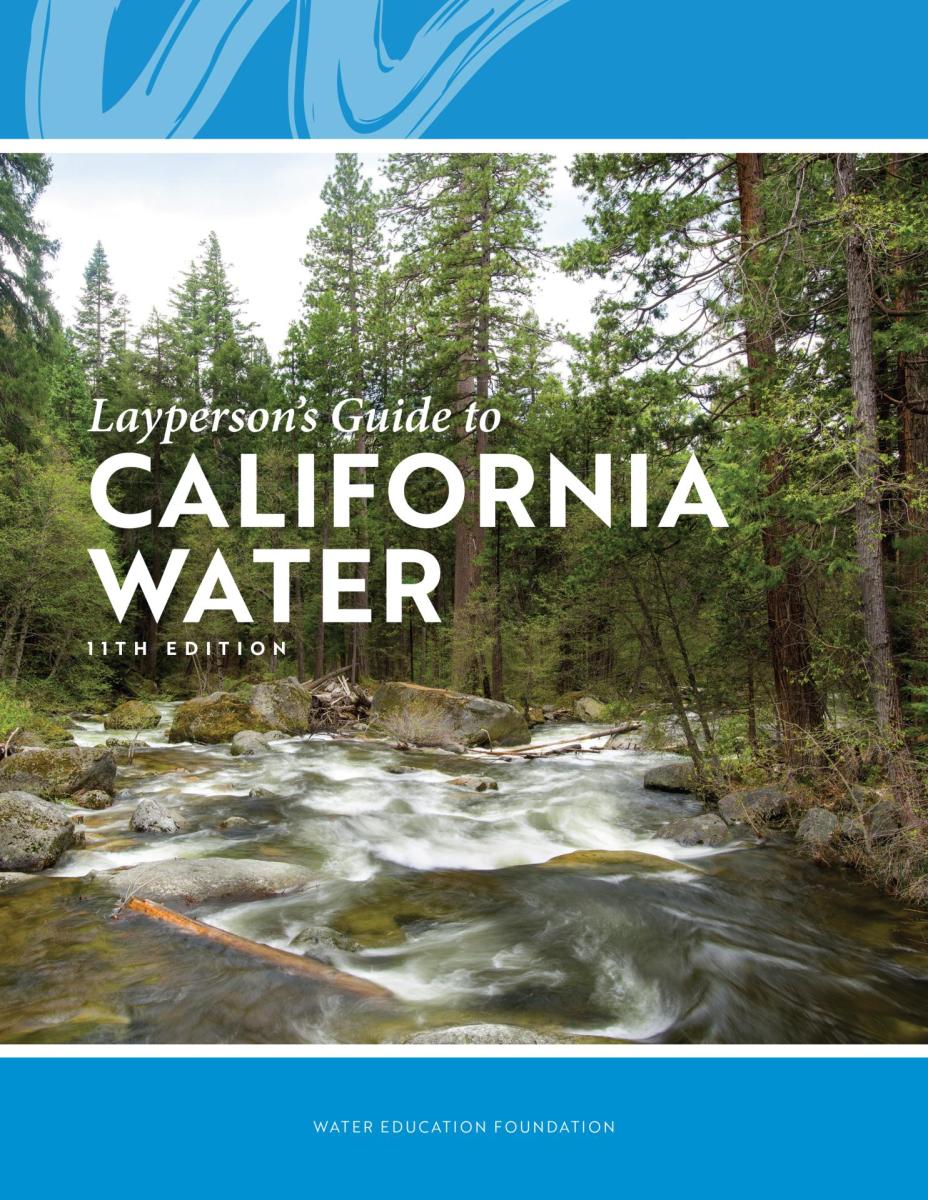 Our Layperson’s
Guide to California Water has been completely
updated for 2026, providing a comprehensive overview of the
ways water is used, as well as its critical ecological role,
throughout the state. The 24-page publication traces the history
of the vital resource at the core of California’s identity,
politics and culture since its founding in 1850.
Our Layperson’s
Guide to California Water has been completely
updated for 2026, providing a comprehensive overview of the
ways water is used, as well as its critical ecological role,
throughout the state. The 24-page publication traces the history
of the vital resource at the core of California’s identity,
politics and culture since its founding in 1850.
A first-ever Spanish-language edition of the guide will also be published this summer in partnership with Fresno State’s California Water Institute.
The 11th edition of our most popular guide includes the latest information on how climate change is affecting the state’s hydrology, innovative efforts to stretch the available water supply, tribes’ efforts to secure their right to water and a section that explores efforts to give more Californians access to safe, affordable drinking water.
It also includes sections on the state, federal and Colorado River delivery systems; Delta issues; water rights; environmental issues and water quality. In addition, this latest edition covers habitat restoration work at the Salton Sea and efforts to address persistent drought on the Colorado River.
The guide is part of the Foundation’s series of Layperson’s Guides that offer readers an easy-to-understand, broad overview and perspective on a variety of important water topics. You can also buy a California Water Bundle that includes the guide and accompanying water map for a discount.
The Layperson’s Guide to California Water is available for $18. Get your copy here.
See Central Valley Water Issues Up Close on April 22-24 Tour
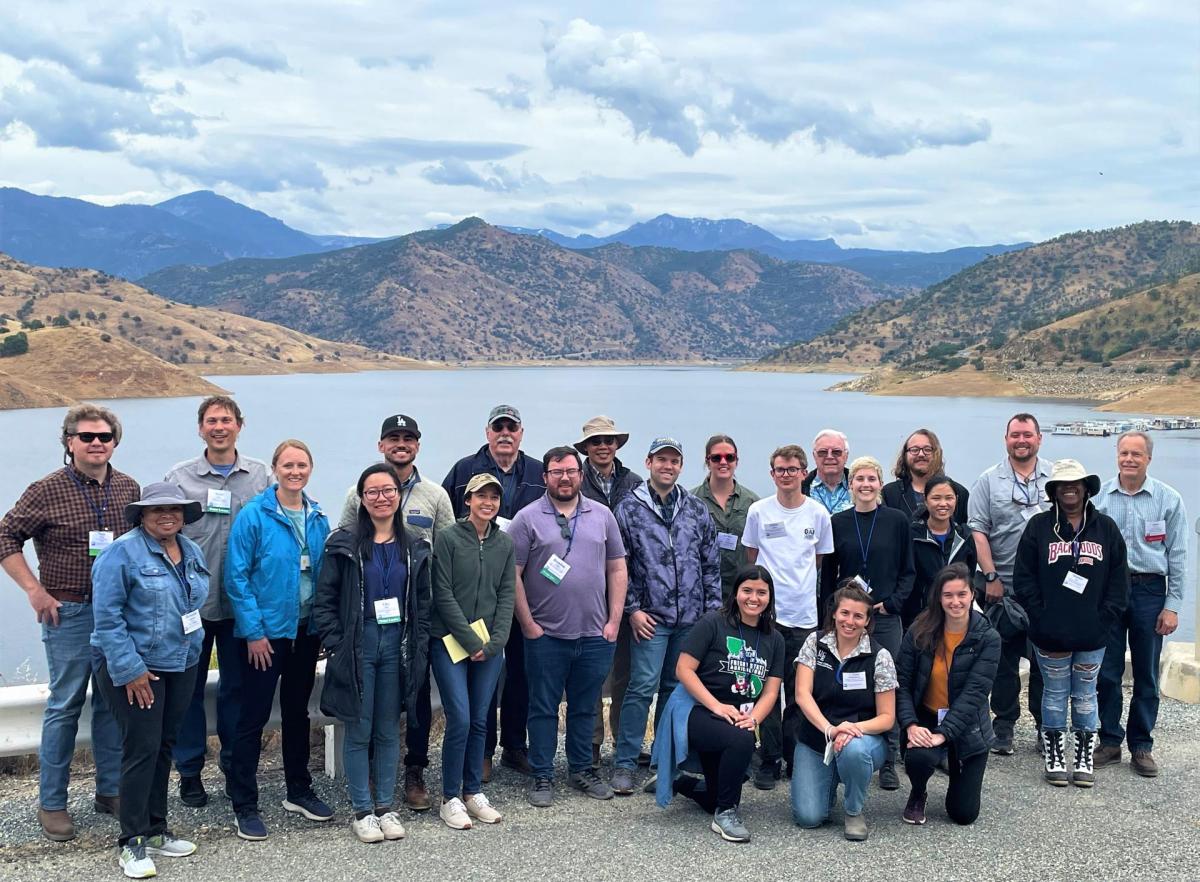 There are only a few seats
left on the bus for this year’s Central Valley
Tour, which won’t be offered in 2027. The April
22-24 tour travels the length of the agriculturally rich San
Joaquin Valley, a major source of the nation’s food that is
facing challenges such as compliance with the Sustainable
Groundwater Management Act, land repurposing, frequent drought,
dwindling surface water supplies, water quality concerns, land
subsidence and more.
There are only a few seats
left on the bus for this year’s Central Valley
Tour, which won’t be offered in 2027. The April
22-24 tour travels the length of the agriculturally rich San
Joaquin Valley, a major source of the nation’s food that is
facing challenges such as compliance with the Sustainable
Groundwater Management Act, land repurposing, frequent drought,
dwindling surface water supplies, water quality concerns, land
subsidence and more.
Participants will visit farms, Friant Dam, San Luis Reservoir, the disadvantaged community of Allensworth and the San Luis National Wildlife Refuge, a wintering ground and migratory stopover point for large concentrations of waterfowl and shorebirds. The tour begins and ends at the Foundation’s office in Sacramento. Find more information and register here.
Read our Latest Western Water Article: FIRO-MAR
 California’s Department of Water
Resources is taking a hard look at a new way of using floodwater
to replenish the state’s chronically depleted aquifers. By
pairing more sophisticated reservoir operations with groundwater
recharge, water managers may be able to make greater use of the
increased floodwater that’s expected to come with flashier,
more-intense storms.
California’s Department of Water
Resources is taking a hard look at a new way of using floodwater
to replenish the state’s chronically depleted aquifers. By
pairing more sophisticated reservoir operations with groundwater
recharge, water managers may be able to make greater use of the
increased floodwater that’s expected to come with flashier,
more-intense storms.
The new approach is known as Forecast-Informed Reservoir Operations-Managed Aquifer Recharge or FIRO-MAR. In December, DWR released a study which found that in the five main tributary watersheds of the San Joaquin River, “FIRO-MAR has the potential to increase the volume of recharge more than fourfold, and it can greatly diminish the size and frequency of flood flows.”
But FIRO-MAR still faces several substantial challenges before it can fully deliver on its promise. Learn more about the concept and what it will take to implement it more widely in our latest Western Water article, available online now.


