


Where Passion Meets Profession: Inspiring Water Careers Through Project WET
California Project WET Gazette - Winter 2026
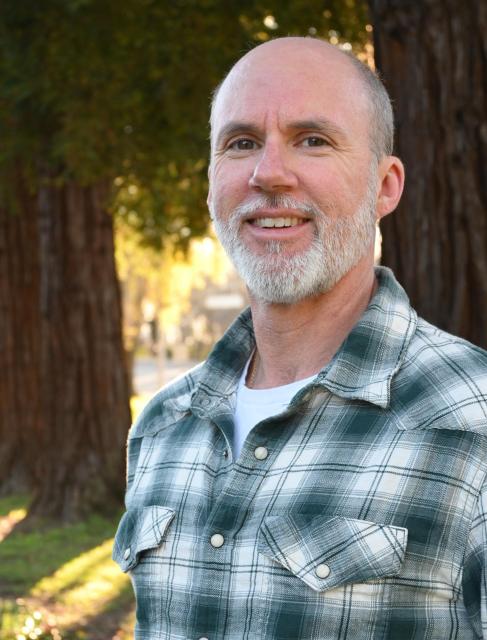
As I settle into the next stage of my career as programs manager at the Water Education Foundation, I’ve been reminiscing on the initial passion that got me here. In fourth grade I decided I was going to be a marine biologist. I loved the ocean, being outside, animals and science, so it seemed like a logical conclusion for a kid in the mid-80s. 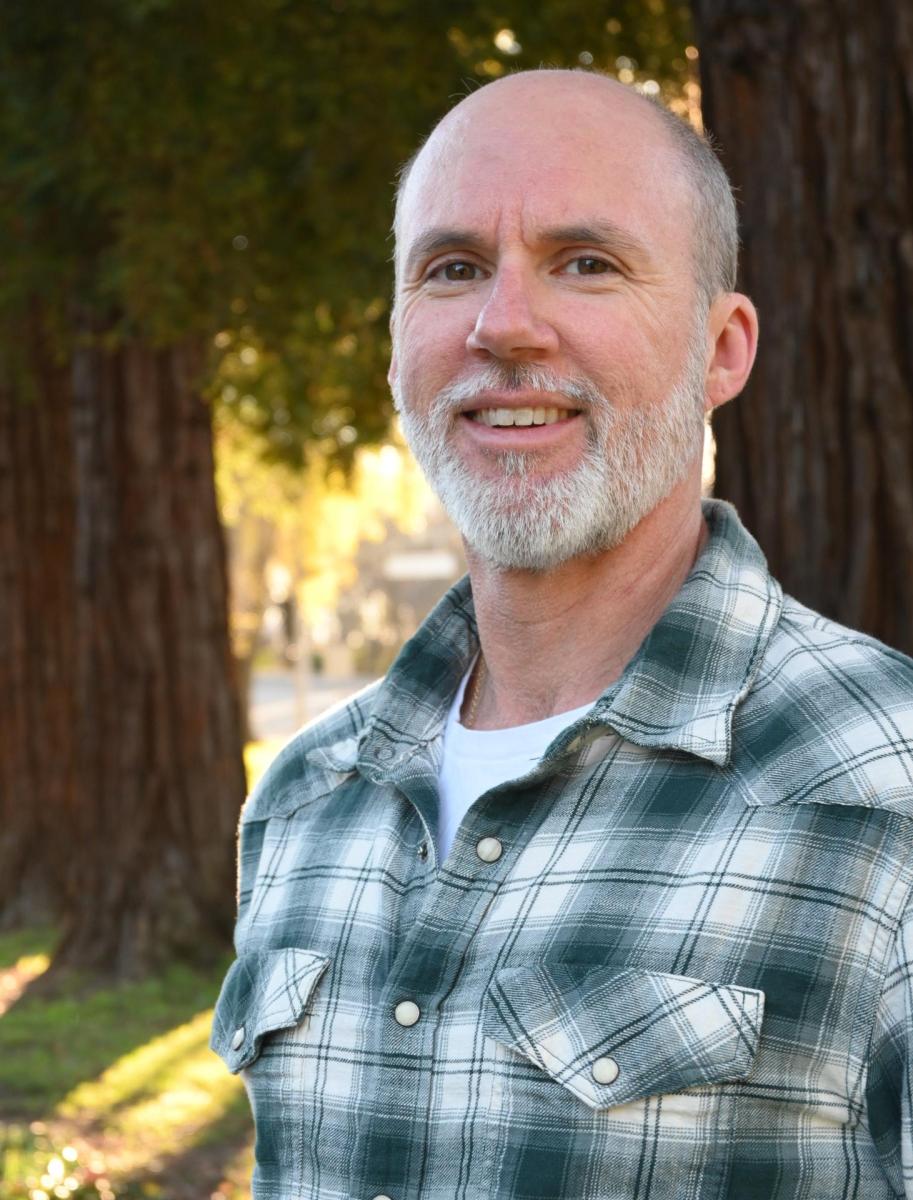 I grew up on the tail end of Jacques Cousteau’s career and in the heyday of places like SeaWorld and Marine World Africa USA. Had I known about other options that aligned with my passions, I might have had a very different career trajectory. I followed the traditional education model that stresses college and four-year degrees as the only option if you want to have a successful career.
My professional path started with a Bachelor of Science in Marine Biology from UC Santa Cruz, which landed me a job taking care of fish at PetSmart. I did some odd lab jobs and internships with various government agencies as I continued my education. I’ve worked in aquariums and pet stores, did a couple of stints on a yacht and even bartended in the Caribbean. Once I discovered that my passion lay in teaching, I spent almost 14 years in a high school science classroom before following my bliss as an outdoor and environmental educator.
In my new role at the Foundation, I find myself in the exciting position of inspiring teachers across California to bring water literacy to the next generation of decision makers and workers through the Foundation’s Project WET program. Today, California faces a dwindling workforce of skilled tradesmen, making options like community college, trade schools and apprenticeships find new favor, according to the Centers of Excellence for Labor Market Research. EdSource reports that Career Technical Education programs in high schools are on the rise in California, with an ever-growing catalog of options from agriculture to energy, environmental and utilities tracks.
Real World Learning in Action
Project WET’s hands-on, inquiry-based lessons can help spark interest in water careers. They explore topics such as the water cycle, watershed systems, water quality testing and sustainable resource management — all scientifically grounded content that mirrors the work of hydrologists, environmental engineers, treatment plant operators, water quality specialists and resource planners. By engaging students in these real, problem-solving scenarios, Project WET empowers them to think critically and see themselves as contributors to solving these water challenges as a profession.
 A perfect example of an activity that could spark career interest is “Sum of the Parts,” from the Foundations of Water Education guide. In this exploration, students are given a parcel of riverfront land to develop. They can create whatever they would like on their land within the “budget” provided by the teacher. After they have had a chance to think like city planners, they present their creation to the class and identify all the possible pollutants that could come from their development. Do you fertilize your lawn? Do you have outdoor pets? Are you driving a gas-powered vehicle? For each of these pollution causing practices, students are given a token to represent the different pollutants they contribute to the river system.
Once all the groups have shared their developments, the parcels of land are placed side by side to show what this new riverfront neighborhood looks like. Then, starting with the most up-river properties, students pass their pollution tokens downstream to visualize the amount of pollution that has entered the waterway. This demonstration can lead to some great discovery and discussion. It highlights how community members along different stretches of the river may be impacted, and what each person might do differently knowing their impact on the watershed and community.
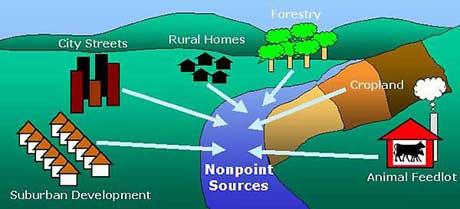 In the second part of this activity, students get to think critically about where pollution comes from, how it gets into the watershed and how to mitigate it. Students explore the concepts of point versus nonpoint source pollution, best management practices, watershed health and environmental justice. Using their research, groups present a plan for a public awareness campaign in their community.
Preparing Stewards and Professionals
The activity’s emphasis on systems thinking and problem-solving mirrors the skills needed in the water industry. Professionals use data, laboratory methods, field observations and engineering tools to maintain safe water supplies and manage complex infrastructure. Teachers can leverage Project WET activities to highlight career pathways. The activities incorporate science concepts relating to jobs like water treatment operator, distribution system technician, environmental consultant, watershed manager or water policy analyst.
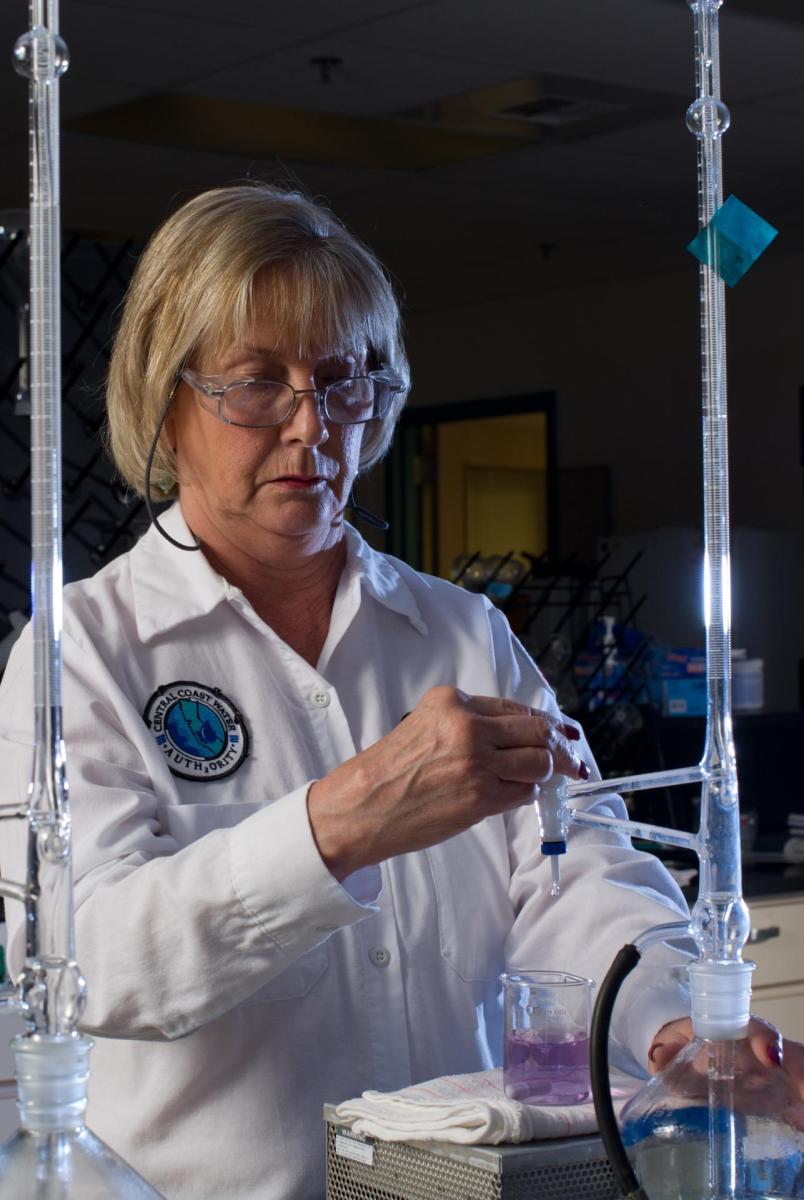 Ultimately, Project WET and the Water Education Foundation do more than educate students about water — they connect them to meaningful career possibilities that not only support personal growth but also sustain the communities and watersheds they call home.
Find a Project WET workshop near you to learn more about “Sum of the Parts” and other activities that will support your students in becoming better stewards of California’s water.
Check out Websites of Interest for links to resources and articles related to the skill of estimation, stream flow and the basketball analogy. Review the Professional Development Opportunities for upcoming workshops and summer institutes to learn about an array of water topics and water management challenges within our state. You’ll also find Winter Events you can tie to your Project WET activities – or to simply enjoy – plus a roster of Grants, Scholarships & Awards and Student Contests available in early 2026!
WEBSITES OF INTEREST
U.S. Geological Survey: Careers
As the Nation’s largest water, earth and biological science and civilian mapping agency, the USGS collects, monitors, analyzes and provides scientific understanding about natural resource conditions, issues and problems. The diversity of our scientific expertise enables us to carry out large-scale, multi-disciplinary investigations and provide impartial, timely and relevant scientific information to resource managers, planners and other customers related to: the health of our ecosystems and environment; natural hazards that threaten us; natural resources we rely on, and; the impact of climate and land-use changes.
California Department of Water Resources: Careers
DWR offers entry level to upper management level job opportunities in fields including administrative, office support, communication and media, craft and maintenance, engineering, engineering geology, fiscal, information technology, legal, science, and more.
Water Energy Education Alliance
The Water Energy Education Alliance (WEEA) unites over 260 water, energy, and education leaders across the state to build and strengthen career pathways for all California students. Administered and led by the Municipal Water District of Orange County (MWDOC), WEEA is comprised of water and energy industry professionals, educational institutions, and workforce advocacy and implementation groups.
Since 1985, Ignited has been connecting industry leaders directly with teachers to translate transferable skills and innovative thinking into K-14 classrooms. By empowering educators through immersive experiences, we transform classrooms with practical skills and knowledge needed for the future workforce.
BAYWORK: Education
BAYWORK is a network of water and wastewater agencies in the San Francisco Bay Area focused on workforce reliability through regional collaboration. We have gathered a lot of educational materials and resources from across our industry and community partners. We aim to serve as an educational clearinghouse related to water and wastewater to support your efforts in the classroom and beyond.
California Department of Water Resources: Education
We offer a variety of free educational materials including worksheets, activity books, posters, videos, and curriculum guides to classroom teachers, homeschoolers, scout groups, afterschool programs, and other non-formal educators. Many materials are available both in hard copy and electronically. Teachers from the same school are encouraged to combine orders to save on shipping and handling.
U.S. Geological Survey: Water Science School
The Water Science School offers educational resources for all who wish to learn about water. Instructors and students may find useful content to aid in their quest to discover all there is to know about our most precious resource, water. Browse thousands of ideas for using these resources in elementary, secondary, university and informal education settings and loaded with great materials for use with multiple Project WET activities!
PROFESSIONAL DEVELOPMENT OPPORTUNITIES
California Project WET Workshops
Join us this winter for workshops on water resources in Bakersfield, Concord and Riverside. Keep checking our Events Calendar for more to come.
Climate Change & California Water
These specialized Project WET workshops provide an opportunity for educators to interact with climate experts for a day of learning about the basics of climate science, how the science is being applied to safeguard California water resources – and how Project WET activities can help integrate climate science concepts and skills back in the classroom. Join us in Marin county on January 24th or Tulare county on March 21st.
We are excited to introduce a new workshop focused on groundwater in California. Learn from DWR experts about California’s groundwater resources and the role groundwater plays in California’s water supply, including the San Joaquin region. Learn hands on activities from Project WET to bring groundwater and other water resource topics to your classroom. This workshop will be held in Stockton on January 31st.
California Project WILD Workshops
Project WILD is a wildlife-based conservation and environmental education program that fosters responsible actions toward wildlife and related natural resources. Project WILD activity guides provide curriculum specially designed for educators of kindergarten through high school youth.
California Project Learning Tree Workshops
Project Learning Tree uses trees and forests as windows on the world to increase students’ understanding of the environment and actions they can take to conserve it. Project Learning Tree® (PLT) is an initiative of the Sustainable Forestry Initiative. Click here to check-out other upcoming events!
Forestry Institute for Teachers Focus – March 13-15
Join us at Blodgett Forest Research Station in Georgetown this spring. Explore the fire ecology of the Sierra Nevada range and how land stewards implement beneficial fire across the landscape and wildland-urban interface! Natural resource professionals and credentialed instructors will guide you through a suite of classroom and field experiences to understand the processes that shape fire’s behavior and impact at different scales. Registration is $60 and covers meals, lodging and materials.
California Water Institute for Teachers
Each institute is a multi-day professional development experience for K-12 educators focusing on the water resources serving the local area of the institute while providing teachers with greater knowledge and tools to engage students in developing their environmental literacy about the places where they live. Participants will receive Project WET training and opportunities to earn continuing education credit and a stipend. These institutes will occur in Solano, Butte, and Sacramento counties this year.
Wild Wonder Foundation Nature Journaling Educators Workshop
Join John Muir Laws—award-winning author, educator, scientist, leading innovator in the global nature journaling movement, and co-author of How to Teach Nature Journaling—along with other experienced educators for a fun, informative, and empowering online workshop for nature journaling educators. You will come away from this workshop inspired with best practices and practical tools for teaching nature journaling, and you will be prepared to put them into practice with your students.
California Environmental Education Interagency Network
The CEEIN partnership is a consortium of environmental educators representing state departments and partner organizations. Educators can find a variety of workshops and other participatory opportunities on our online events calendar to increase their environmental literacy on California natural resource topics and issues.
Life Lab is a national leader in garden-based learning. Through innovative training and award-winning curriculum, Life Lab has equipped tens of thousands of educators nationwide to engage students in vibrant, outdoor garden classrooms. At the Garden Classroom educational center in Santa Cruz, Life Lab fosters experiential learning through field trips, summer camps, internships and professional development events.
Forestry Institute for Teachers
Registration is open for the Forestry Institute for Teachers 2026 summer sessions! At FIT, cohorts of educators work alongside natural resource professionals and credentialed instructors to explore the complexities of stewarding our forest ecosystems for current and future generations. PreK-12 educators of all subject matters and teaching settings are encouraged to participate.
The registration fee covers food, lodging and teaching materials. Participants receive 50 hours of interdisciplinary instruction aligned with state teaching standards, certification in Project WET and Learning Tree – and upon program completion become eligible for a stipend, 3 Continuing Education Units (CEUs) and future specialized FIT professional learning opportunities!
Outdoor Learning School offers a variety of workshops and professional development opportunities. Many of their events are free and offer a prize drawing for attendees! All Virtual Workshops are 60 minutes and will take place at 4pm Pacific / 7pm Eastern and all attendees will receive a Certificate of Attendance.
WINTER EVENTS
Jan. 19: National Parks Free Entrance Day
Dr. Martin Luther King Jr. was a tireless advocate for racial equality, working classes and the oppressed around the world. In honor of the birthday of Martin Luther King Jr., national parks will waive entrance fees for everyone on this day. It is also a day of service when thousands of volunteers participate in service projects across the country.
Jan. 22-25: Snow Goose Festival of the Pacific Flyway
Join us in the search for winter birds of the Pacific Flyway with 4-days of action-packed field trips with experienced trip leaders, plus more celebrating the remarkable journey of millions of waterfowl and raptors that call the Northern Sacramento Valley their winter home.
Feb. 2: World Wetlands Day
Centered around the theme “Wetlands and traditional knowledge: Celebrating cultural heritage,” this year’s World Wetlands Day global campaign spotlights the timeless role of traditional knowledge in sustaining wetland ecosystems and preserving cultural identity.
March-April: Nature Bowl
Nature Bowl is an annual, science-based educational program for 3rd through 6th graders. Through games, problems, puzzles, and exploration, students gain ecological knowledge and conservation literacy. Teamwork and creativity are encouraged as students rotate through stations in a friendly, educational competition. Semi-final events happen throughout CDFW Region 2 in March and April with the Final on May 9 at Camp Pollock in Sacramento. Register by February 15.
Mar. 13-15: California Council for the Social Studies Conference
This year’s conference in Garden Grove, CA will explore the theme, Local Roots, Global Reach, inviting educators to explore the vital connection between community-based learning and global responsibility. In a time of emerging global challenges and constant change, social studies classrooms play a critical role in helping students understand the world around them and take informed action—beginning with their local communities.
Mar. 16-22: Fix a Leak Week
National Fix a Leak Week is an excellent opportunity to inspect your home for easy-to-repair leaks. Did you know that every year, residential leaks waste about one trillion gallons of water across the United States? This is the week to track down and address leak!
Mar. 19-21: California STEAM Symposium
Join us in at the Spring CUE in Palm Springs. This symposium convenes STEAM education enthusiasts who believe in the power of active, joyful and engaging exploration and learning for all California students. Participants will embark upon this journey with a network that seeks to leverage STEAM education for developing identity, civic engagement, social responsibility and other shared goals to benefit future generations.
Mar. 22: World Water Day
World Water Day celebrates water and raises awareness of the 2.1 billion people living without access to safe water. It is about taking action to tackle the global water crisis. A core focus of World Water Day is to support the achievement of Sustainable Development Goal 6: water and sanitation for all by 2030.
SCHOOL GRANTS & AWARDS
California has created innovative access programs for children and families to explore California’s State Park System. With the new California State Park Adventure and State Library Parks pass programs and a revamped Golden Bear Pass Program, California is promoting a healthier, more equitable California for all.
The Water Smart Grant is a grants program open to 4th -6th grade teachers conducting classroom projects focused on caring for water. Classrooms must be part of a school in a Cal Water service area. Teachers may apply for a $250 grant, explaining their proposed project, and are notified within 30 days of their grant status. While funds last!
President’s Environmental Youth Award: Due Jan. 16
The PEYA award recognizes outstanding environmental projects by K-12 youth. Encourage your students with an existing environmental stewardship project or an idea for a project to apply. Applicants from all 50 states as well as U.S. territories are eligible to compete.
Wild Wonder Micro Grant Program: Due Jan. 29
Through the Wild Wonder Micro Grant Program, we celebrate the creativity in the global nature journaling community, generate new outreach ideas, and support individuals leading projects and clubs that bring nature journaling to new audiences, especially those that are currently underserved. Project Micro Grant supports programs focused on project development to bring nature journaling to communities and individuals. These are the same kinds of grants we have given since the inception of the program.
MEEC Teacher of the Year Award: Due Mar. 6
Three winners will be selected to receive this prestigious honor: one Teacher of the Year winner, who will receive $1000 in prizes and two MEEC Teachers of Excellence recipients, who will each receive $600 in prizes. Nominate a teacher who is implementing environmental education with their students on campus and is making an impact on the students/community.
Early Childhood Education Grants: Due Apr. 1
The Frances R. Dewing Foundation supports innovation in early childhood education and accepts applications from 501(c)(3) nonprofit organizations and government entities such as schools and school districts. The foundation prefers to provide a significant portion of any project it funds and provides seed money in the form of small grants, generally ranging from $1000 to $25,000.
Karma for Cara Microgrant Program: Due Apr. 1
The K4C Microgrant Program is the bridge between ideas and action, helping young citizen leaders execute and magnify their initiatives to help repair our world. Students 18 years of age and under may apply for funds between $250 and $1,000 to complete service projects in their communities. We want to hear what project you’re passionate about!
Toshiba America Foundation Grant 6-12: dates vary
Do you teach in a middle and high school classroom and have an innovative idea for improving STEM (Science, technology, engineering and math) learning in your classroom with measurable outcomes? Sixth to 12th-grade teachers are invited to apply online for a Toshiba America Foundation grant of up to $5,000 to help bring an innovative project into their classroom.
STUDENT CONTESTS
Caring for Our Watersheds Contest: Due Jan. 30
High school students are challenged to identify an environmental concern in their local watershed and come up with a realistic solution in this contest. It is currently open to all Grade 9 – 12 students in Yuba, Sacramento-San Joaquin watershed in Yolo, Solano, Sacramento, Colusa, Sutter, Glenn, El Dorado, Placer, and San Joaquin counties. Contact Erica Bowles to enter the Center for Land-Based Learning.
Kids to Parks Day School Grants: Due Jan. 30
Open to students from US/US territories-based Title 1 schools (40% of students qualify for free or reduced-price lunch) in grades PreK through 12, this grant program provides classrooms with up to $500 for distance learning experiences or up to $1,000 for in-park experiences.
California Coastal Art & Poetry Contest: Due Jan. 29
California students in kindergarten through 12th grade can submit artwork or poetry about California’s coast and ocean by January 29, 2026 (5pm PST). Ten winners will receive a $100 gift certificate to BLICK Art Materials or a bookstore, plus four tickets to Aquarium of the Pacific. Each winner’s teacher will receive a $50 gift certificate from Acorn Naturalists. Winning art and poetry will be part of a traveling exhibit through the end of 2026. For more information click here.
River of Words Youth Contest: Due Jan. 31
The River of Words Youth Poetry and Art Contest contest is free and open to enrolled K-12 grade students, ages 5-19. Students may enter on their own, through your school or youth organization. All art or poetry must be original work and students can enter as many times as they like. The 2026 River of Words Competition is now open for submissions!
Cal Water’s Aqua Adventures: Due Jan. 31
Aqua Adventures offers free water and nature-based field trips for upper elementary classrooms, grades 4-6, in Cal Water service areas. Teachers simply enter their classroom online for a chance at one of twelve annual field trips. Aqua Adventures is part of the Tap Into Learning program brought to you by Cal Water in collaboration with DoGoodery to educate students about water conservation.
National Geographic’s Slingshot Challenge: Due Feb. 6
They are inviting young people ages 13–18 to submit a one-minute video with their bold idea for solving an environmental issue. Winners can receive up to $10,000 USD in funding to launch or expand their solution. By joining the challenge, you’ll get access to exclusive resources including opportunities to meet with National Geographic Explorers, an educator toolkit, and regular updates.
Cal Water’s Splash of Creativity: Due Feb. 28
This art competition in which students submit original artwork focused on caring for water is open to students in grades K-12 living in a Cal Water service area, and offers multiple tiers of competition. Splash of Creativity is part of the Tap Into Learning program brought to you by Cal Water.
World of 8 Billion Video Contest: Due Mar. 4
Middle and high schoolers are given the platform in the contest to think critically about how population growth impacts one of the following global topics – climate migration, health or invasive species – and offer an idea for a sustainable solution.
Student Environmental Visionary Awards: Due Mar. 6
MEEC will recognize students for their outstanding contributions to environmental stewardship and awareness on their campus and in their communities. Nominations can come from either a principal or teacher. When selecting your student nominee, the nominator must take into consideration the work that the student has done in leadership toward environmental issues and stewardship. Five students from grades K-5 will receive a $120 VISA Gift Card. Five students from grades 6-12 will receive 4 tickets to the Living Desert in Palm Desert, one-night hotel accommodations, and $200 VISA gifts cards to help offset the cost of fuel and food for the trip.
Environmental Science and Engineering Scholarship Program: Due Mar. 6
MEEC will be awarding five scholarships for the 2025-2026 academic year. Graduating high school seniors attending high school within MEEC’s boundaries are encouraged to apply. Scholarships will be awarded to five eligible graduating high school seniors in the amount of $3,000 each. To be eligible students must declare a major in Environmental Science, Environmental Engineering, or other closely related Science or Engineering field.
WaterClips Student Video Contest: Due Mar. 13
The 2026 contest theme challenges you (students) to create a 30-second video that shows how water from the Alameda County Water District influences, inspires or supports physical health and wellness. We want your point of view!
Empowering Student-led Environmental Solutions: Due Apr. 19
High school juniors and seniors participating in our Education Program are eligible for a $5,000 to $20,000 scholarship should they choose to apply sustainability to their academic and professional future.
The Walking Softer scholarship aims to support Education Program participants in their pursuit of furthering their sustainability efforts at a 2-year, 4-year, or vocational school. There are no specific major requirements, but students should have the desire to apply sustainability in whatever path they choose and to progress toward equitable and just environmental solutions.
Climate Video Challenge: Due May 28
Climate change is impacting communities in California and across the globe. What are your feelings towards climate change? How can those feelings be turned into action? The California Coastal Commission invites California middle and high schoolers to answer these questions in a podcast, photo essay, or narrative essay.
CREDITS
California Project WET Gazette is published by the Water Education Foundation, which serves as the state coordinator and host institution for Project WET USA, a program of the Project WET Foundation
This material is based upon work supported by the U.S. Geological Survey under Cooperative Agreement # G25AC00438. The views and conclusions contained in this document are those of the authors and should not be interpreted as representing the opinions or policies of the U.S. Geological Survey. Mention of trade names or commercial products does not constitute their endorsement by the U.S. Geological Survey.
Editor: Nic Russo, Programs Manager/California Project WET Coordinator
Water Education Foundation
2151 River Plaza Drive, Suite 205
Sacramento, CA 95833
916.444.6240
Internet: www.watereducation.org
email: nrusso@watereducation.org